Image 1 of 24
Image 2 of 24
Image 3 of 24
Image 4 of 24
Image 5 of 24
Image 6 of 24
Image 7 of 24
Image 8 of 24
Image 9 of 24
Image 10 of 24
Image 11 of 24
Image 12 of 24
Image 13 of 24
Image 14 of 24
Image 15 of 24
Image 16 of 24
Image 17 of 24
Image 18 of 24
Image 19 of 24
Image 20 of 24
Image 21 of 24
Image 22 of 24
Image 23 of 24
Image 24 of 24
Tokala Limited Edition
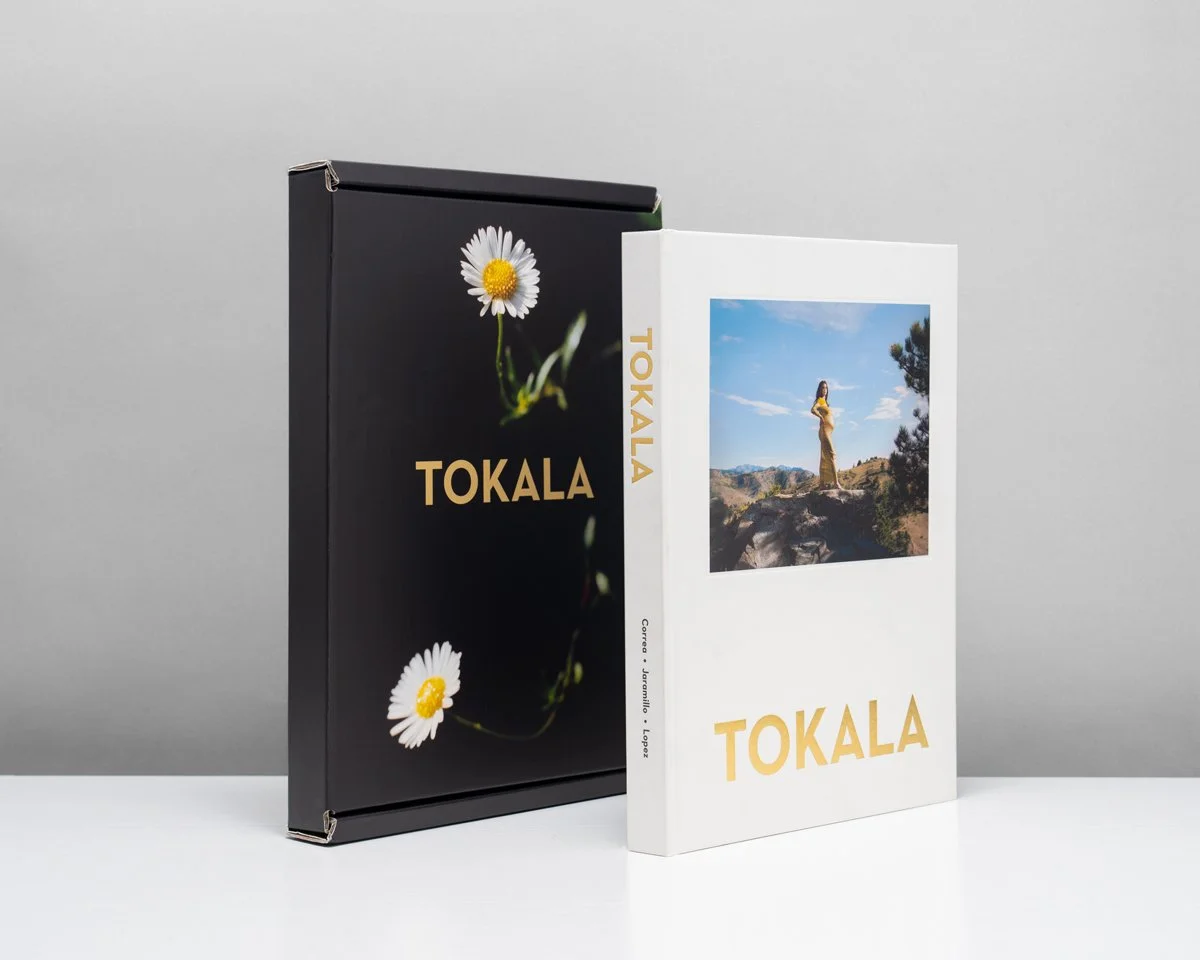
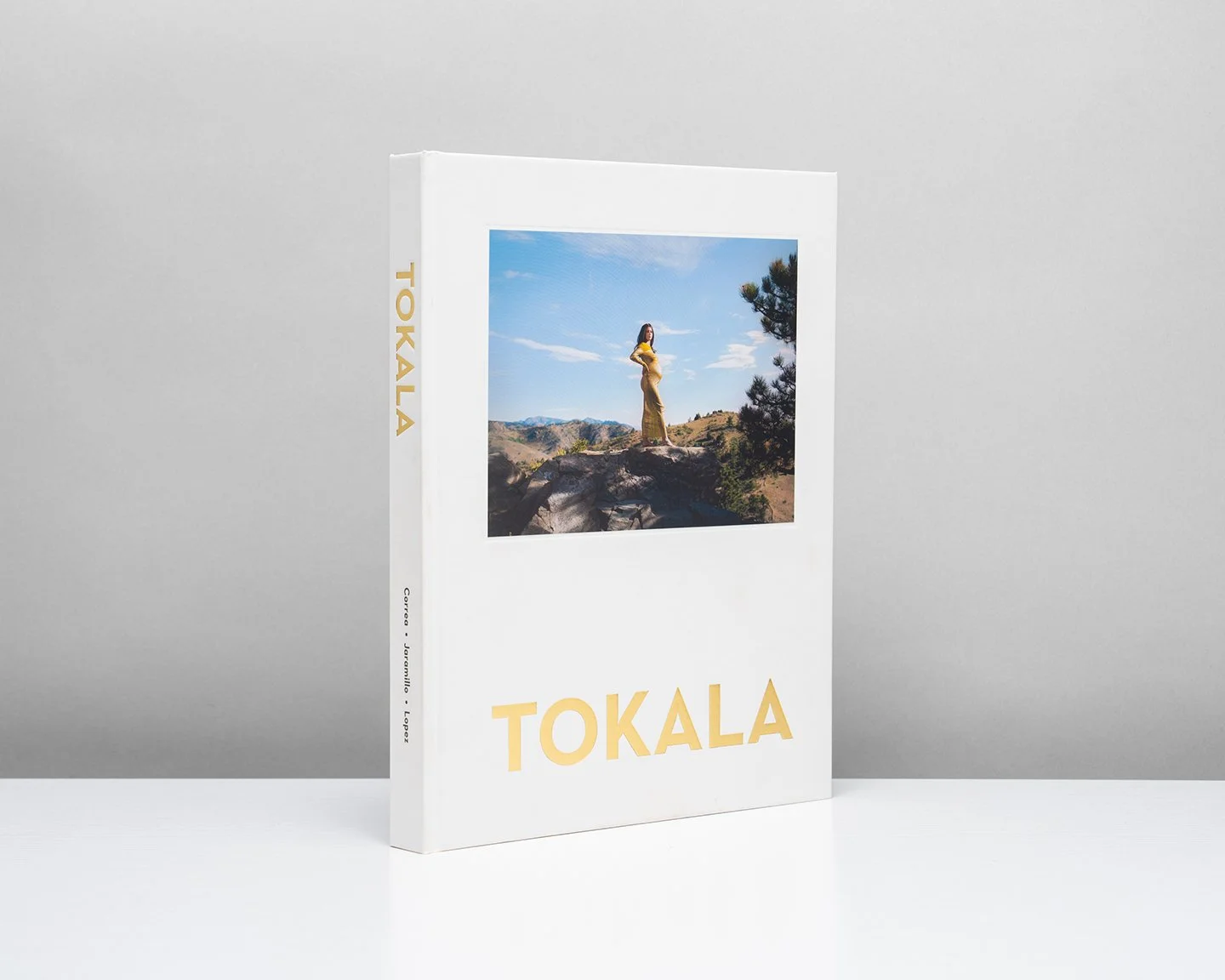
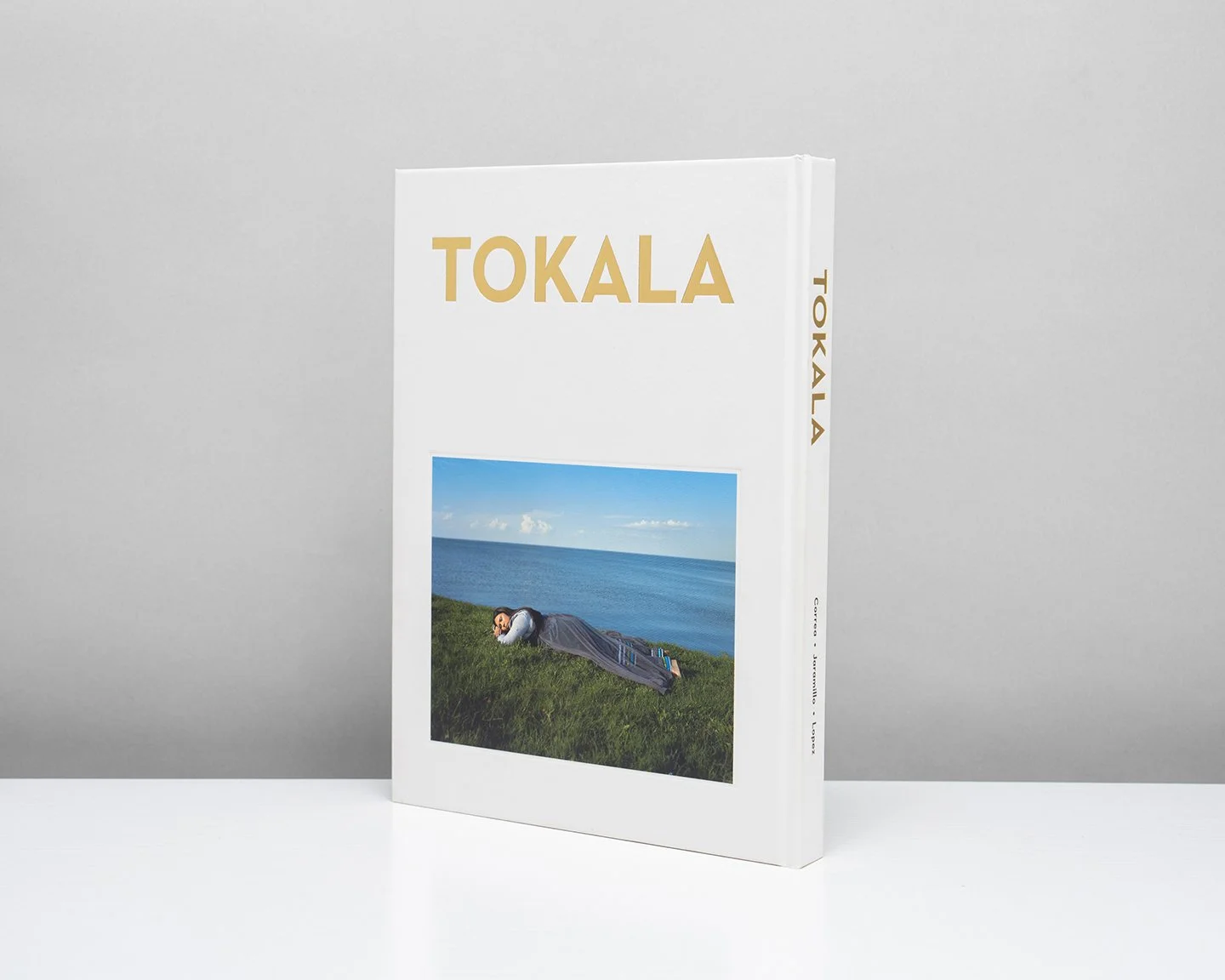
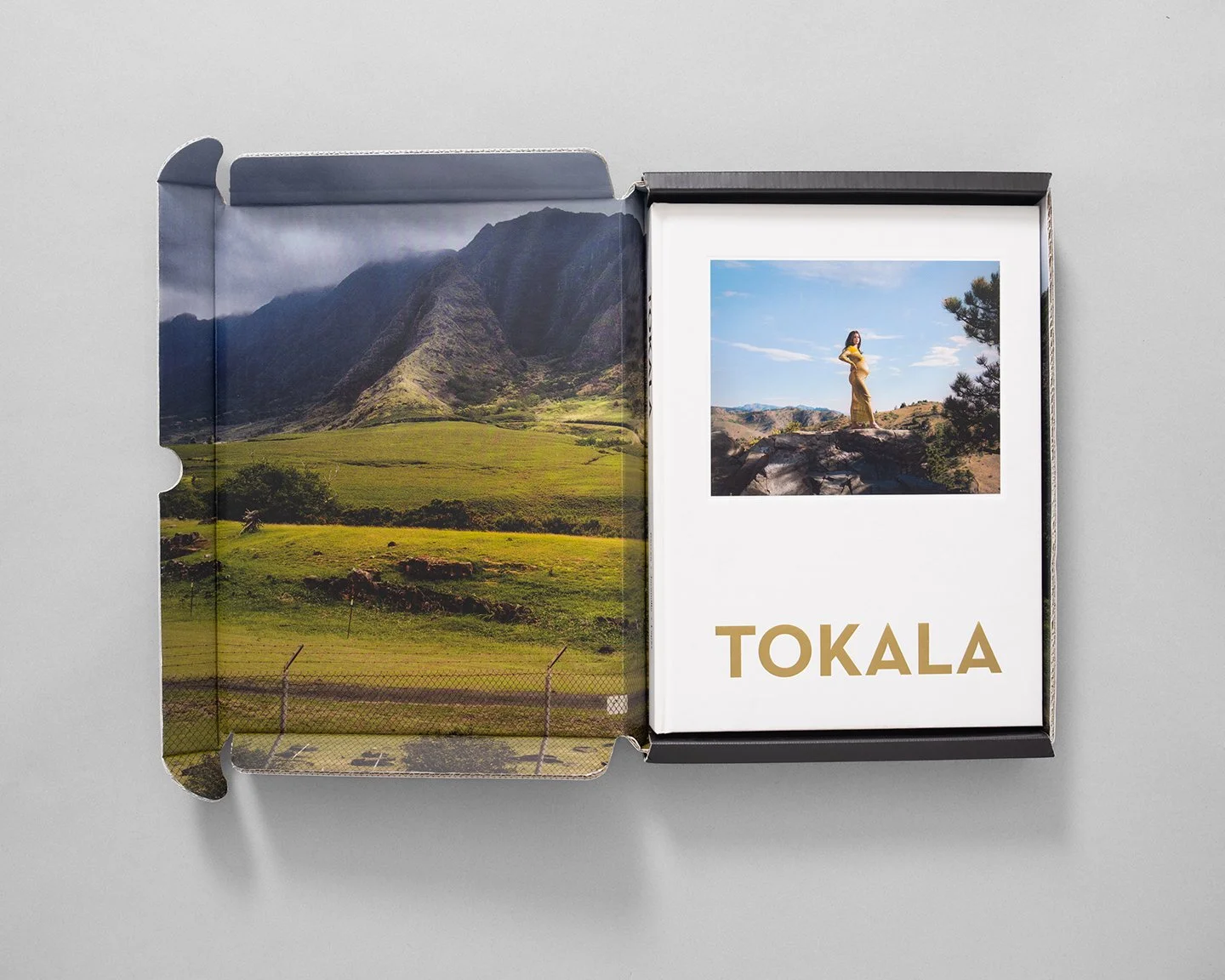
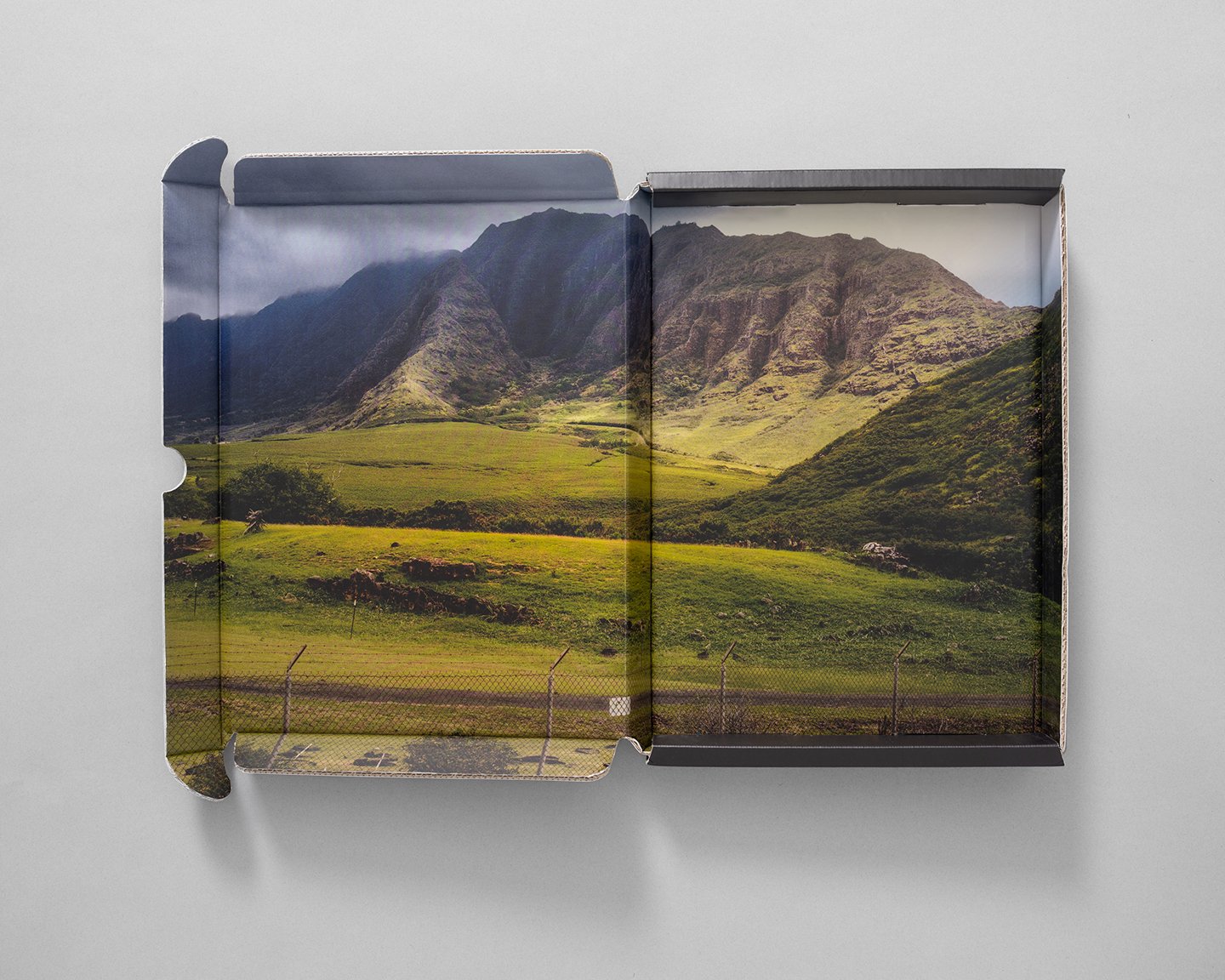
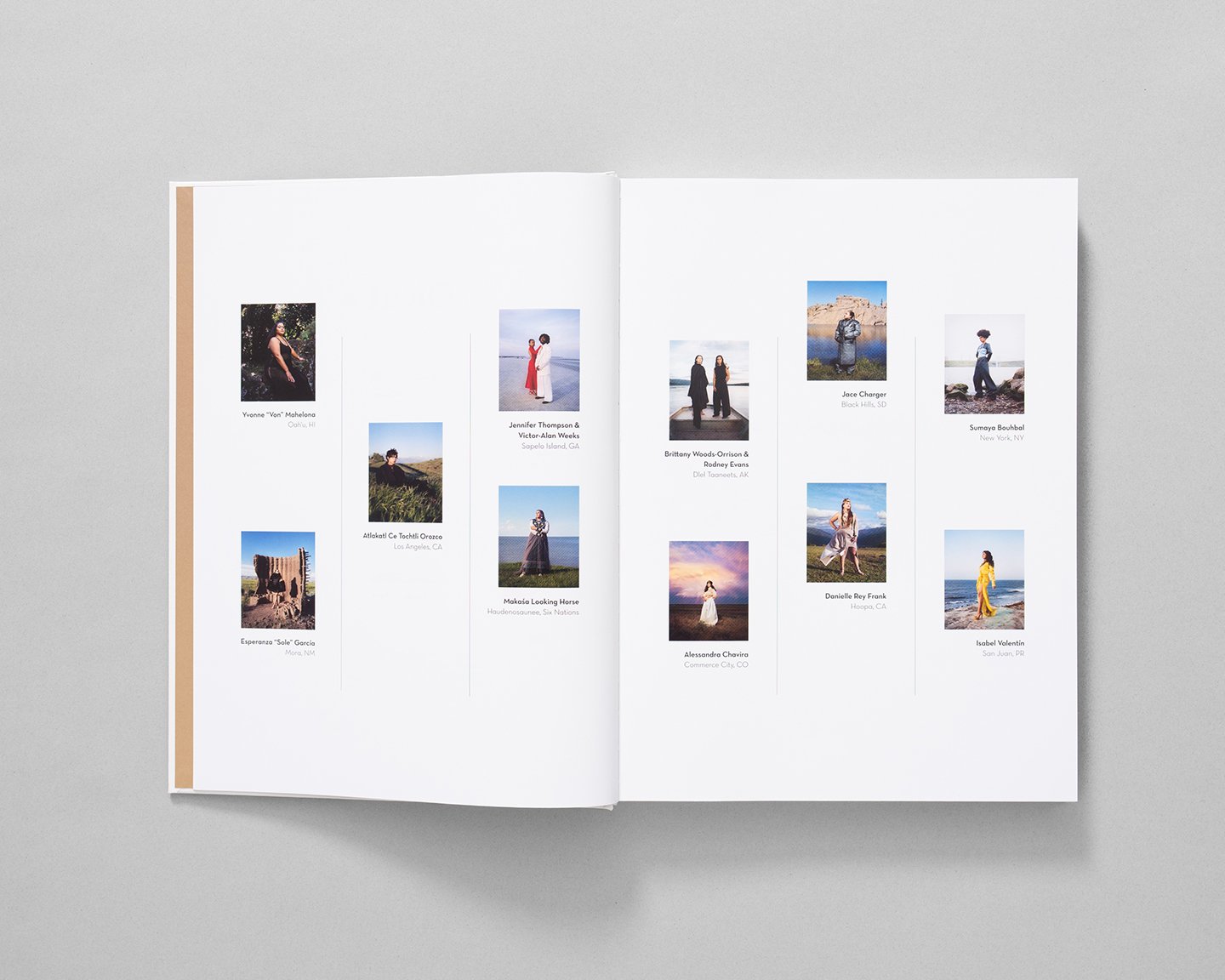
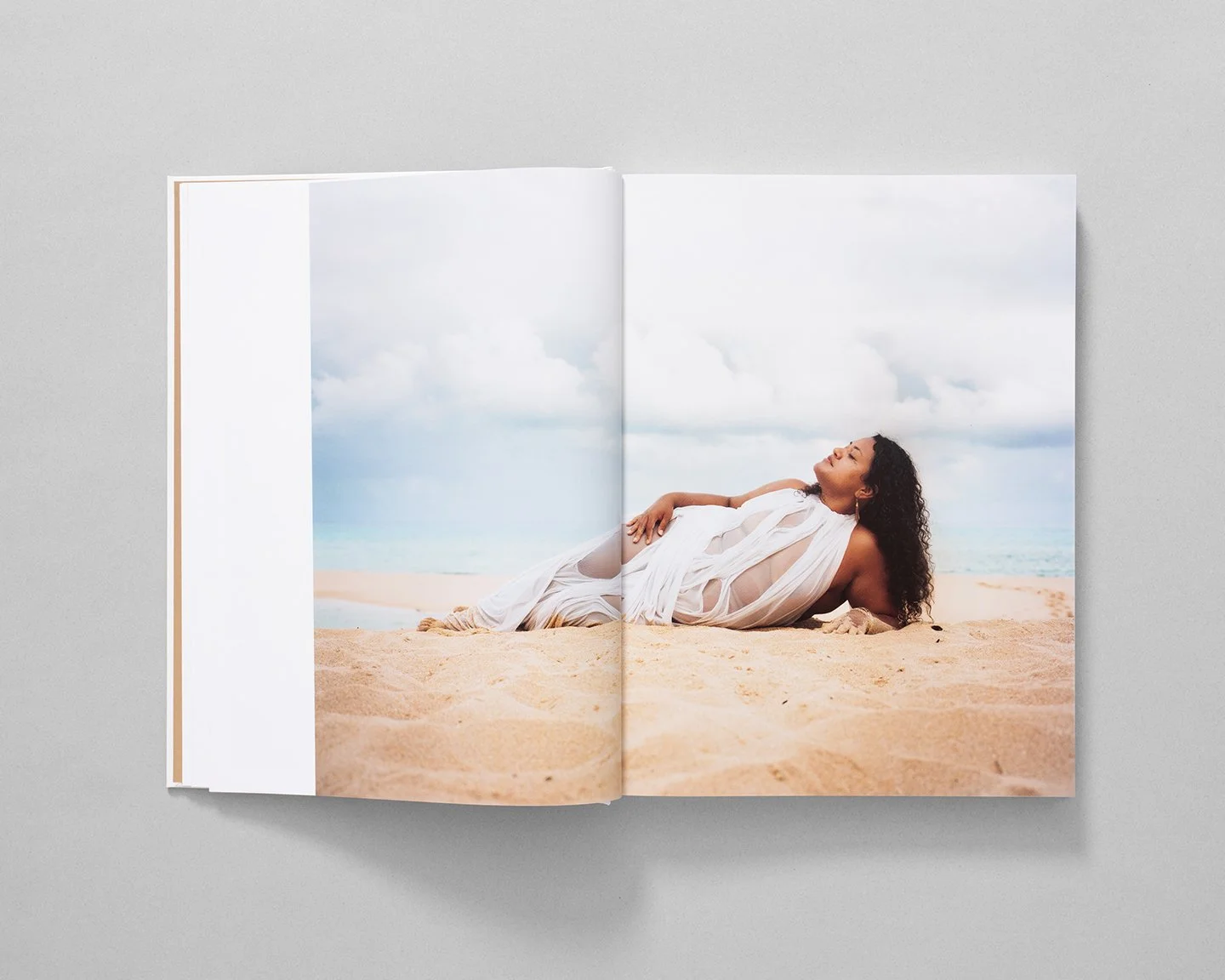
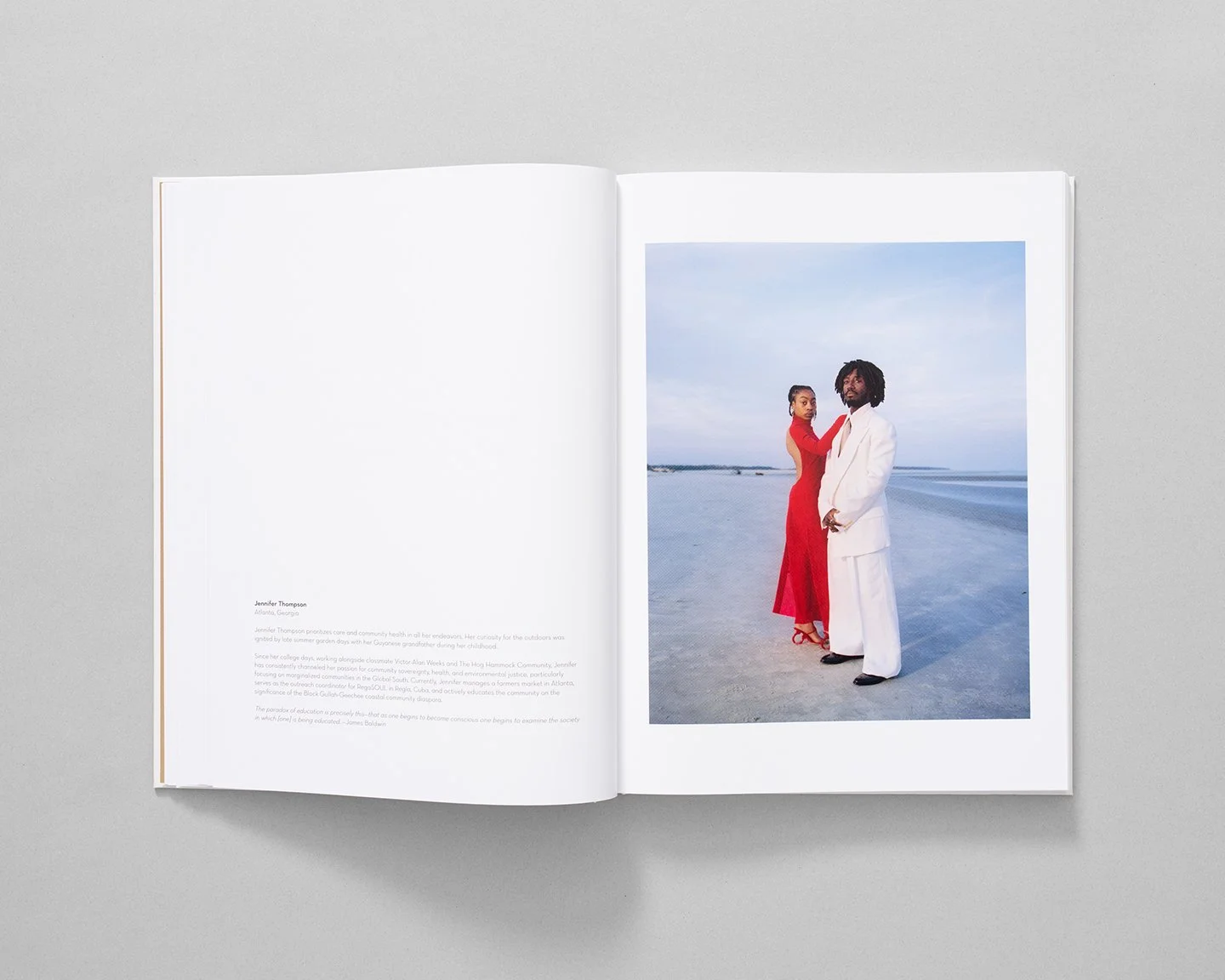
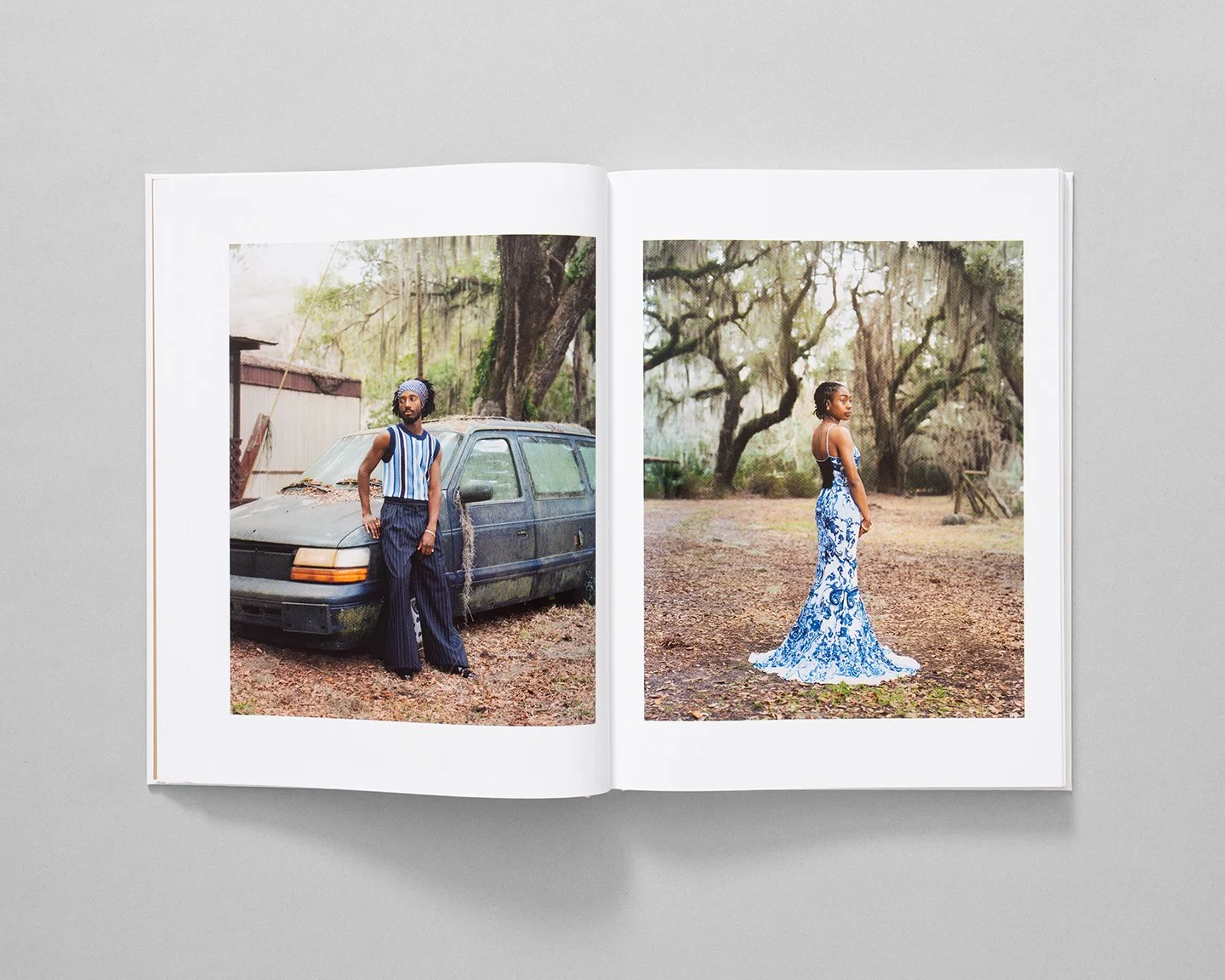
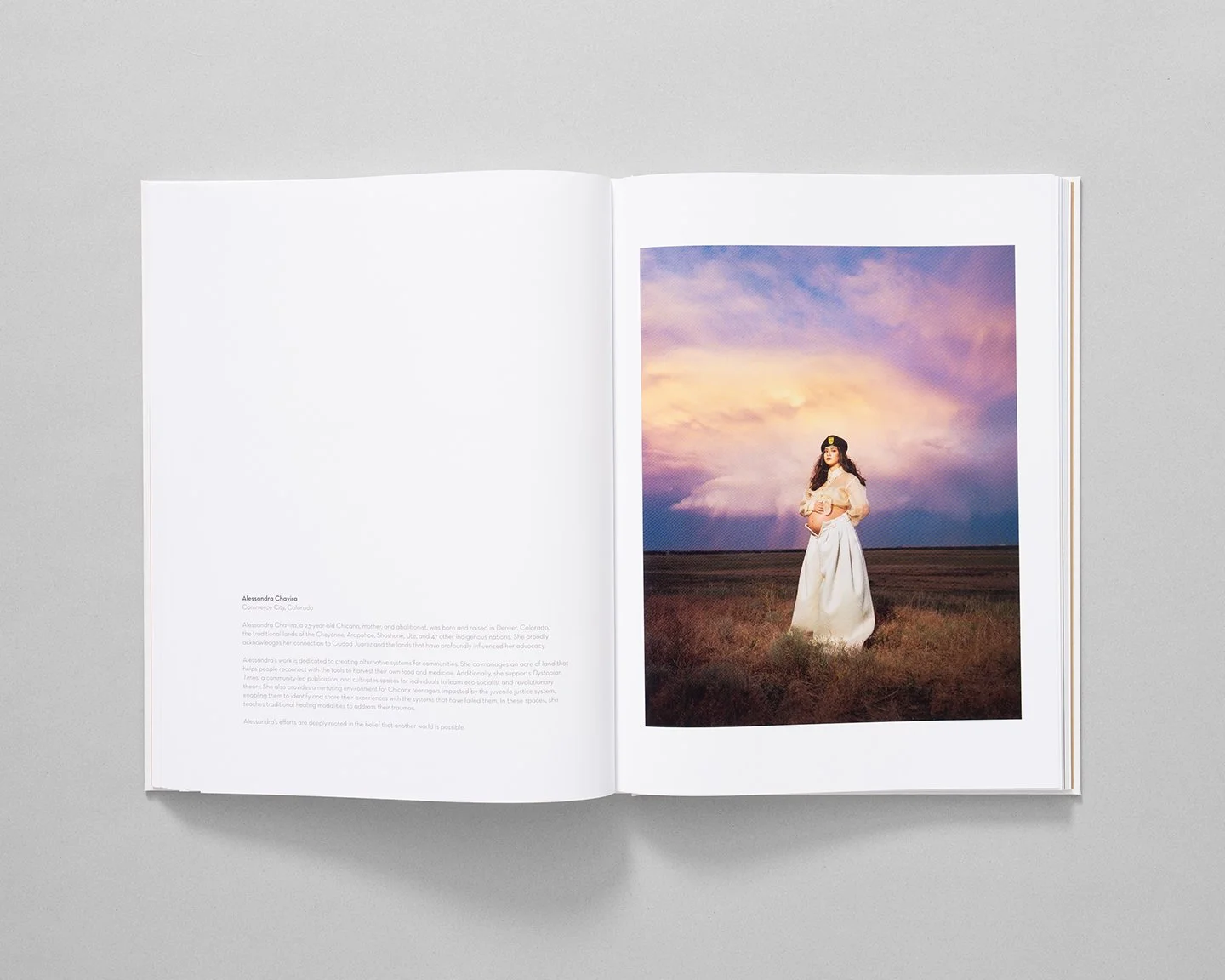
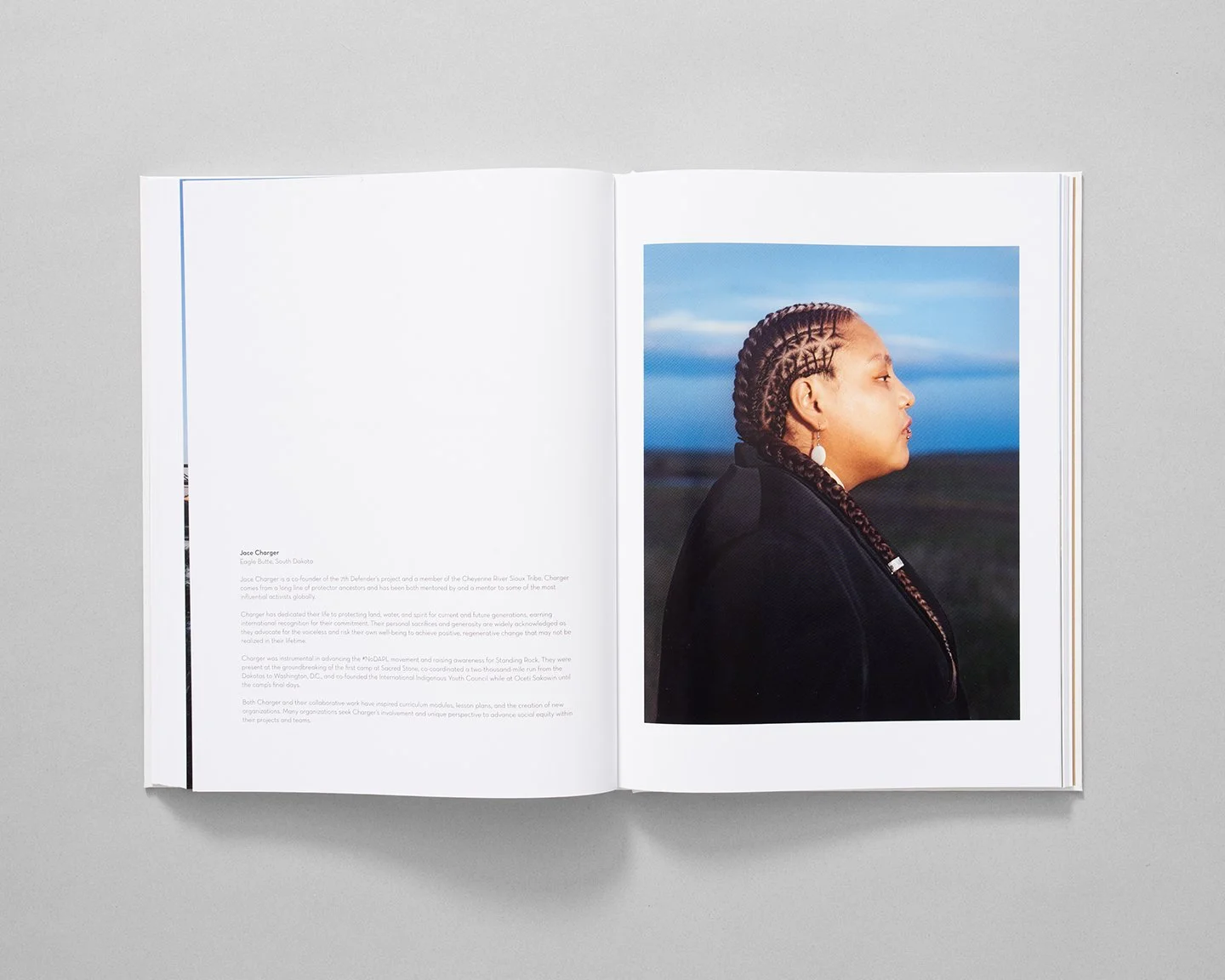
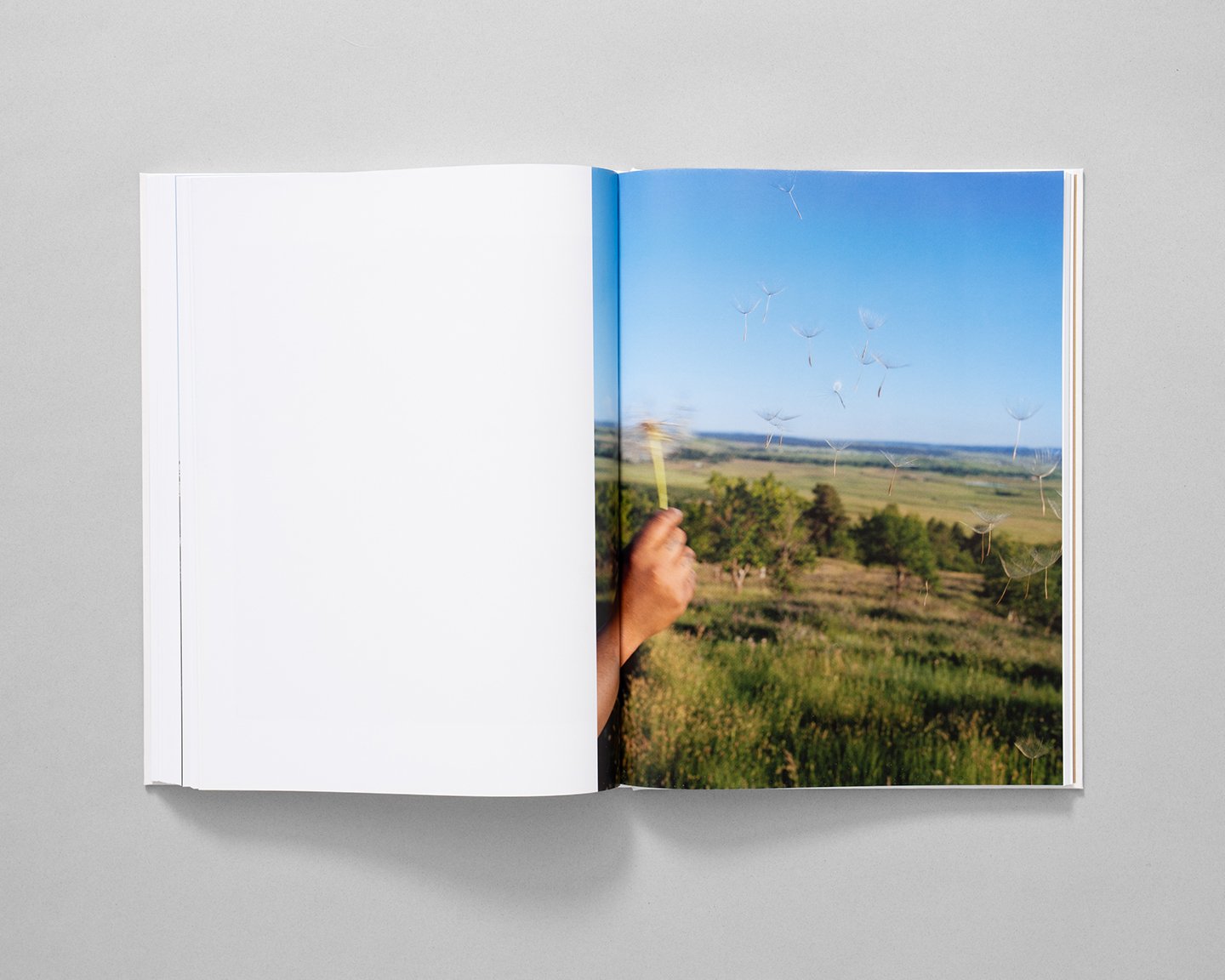
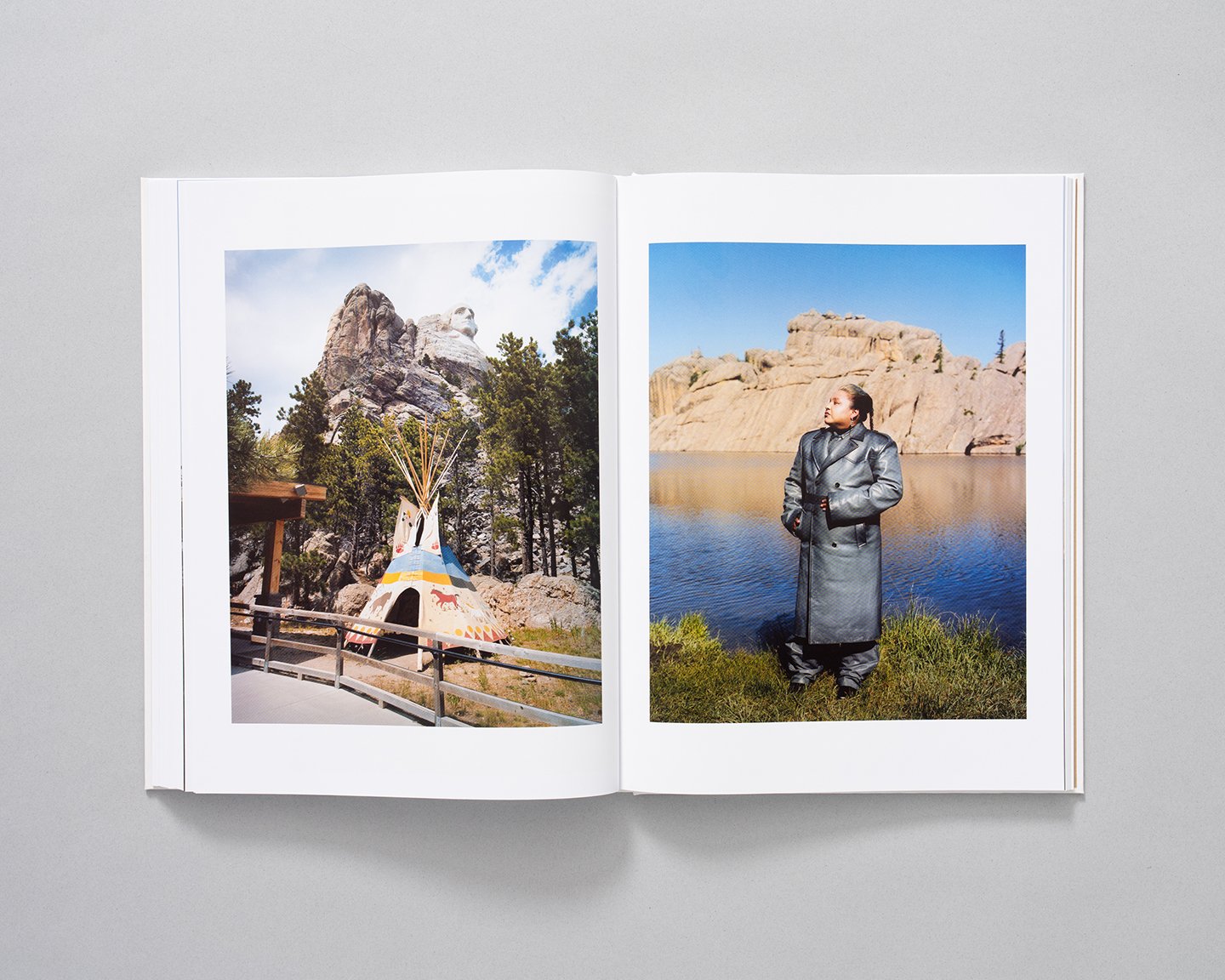
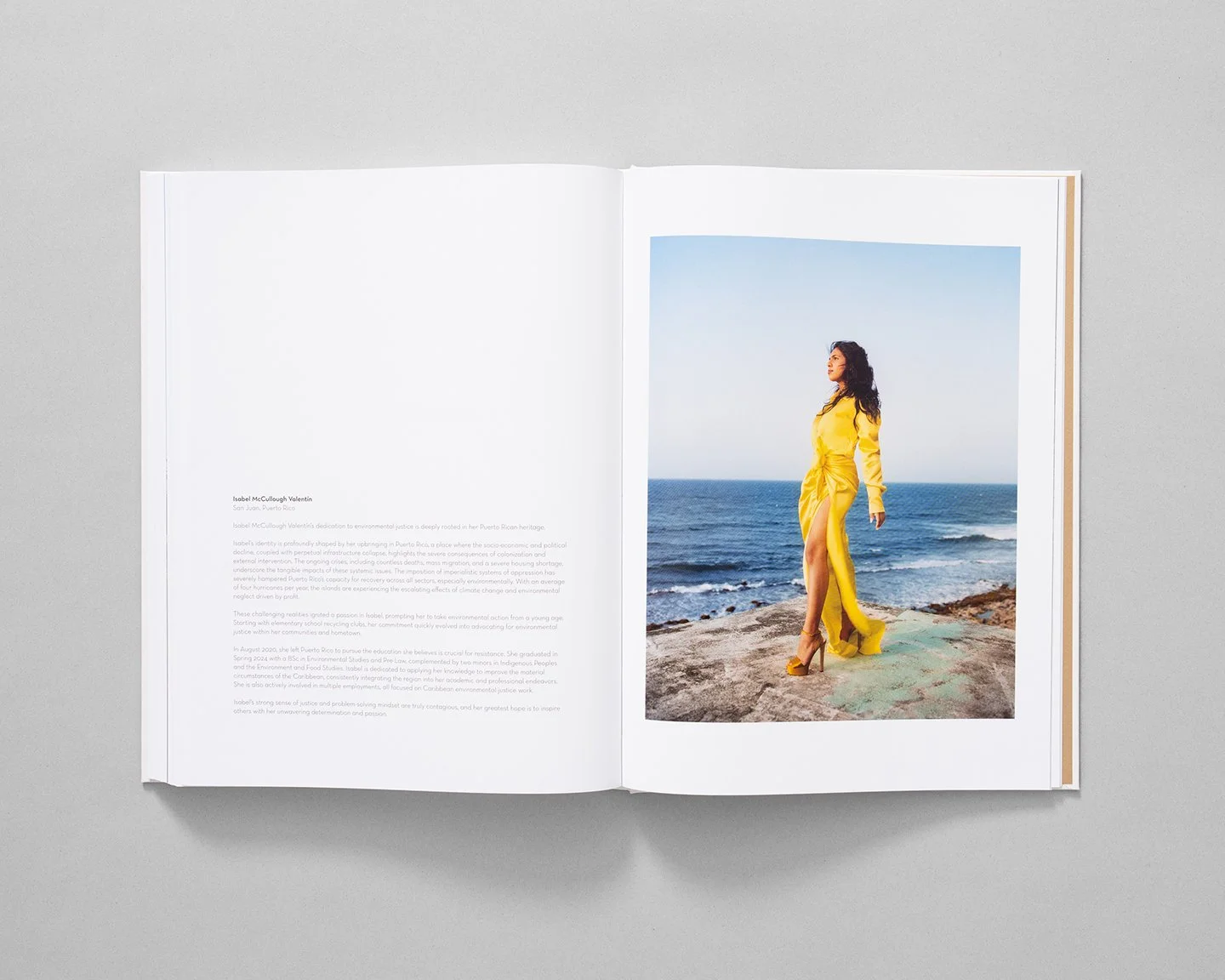
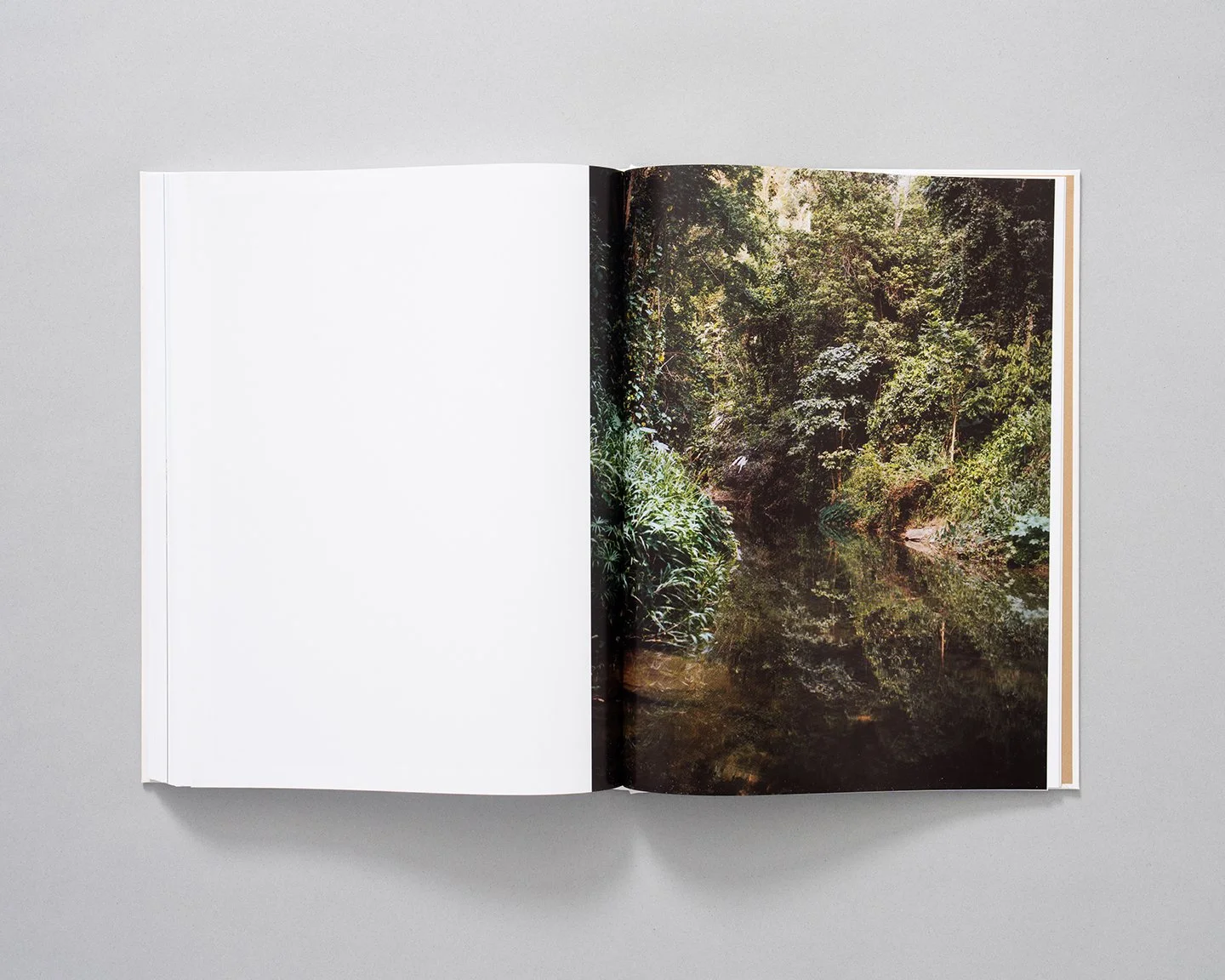
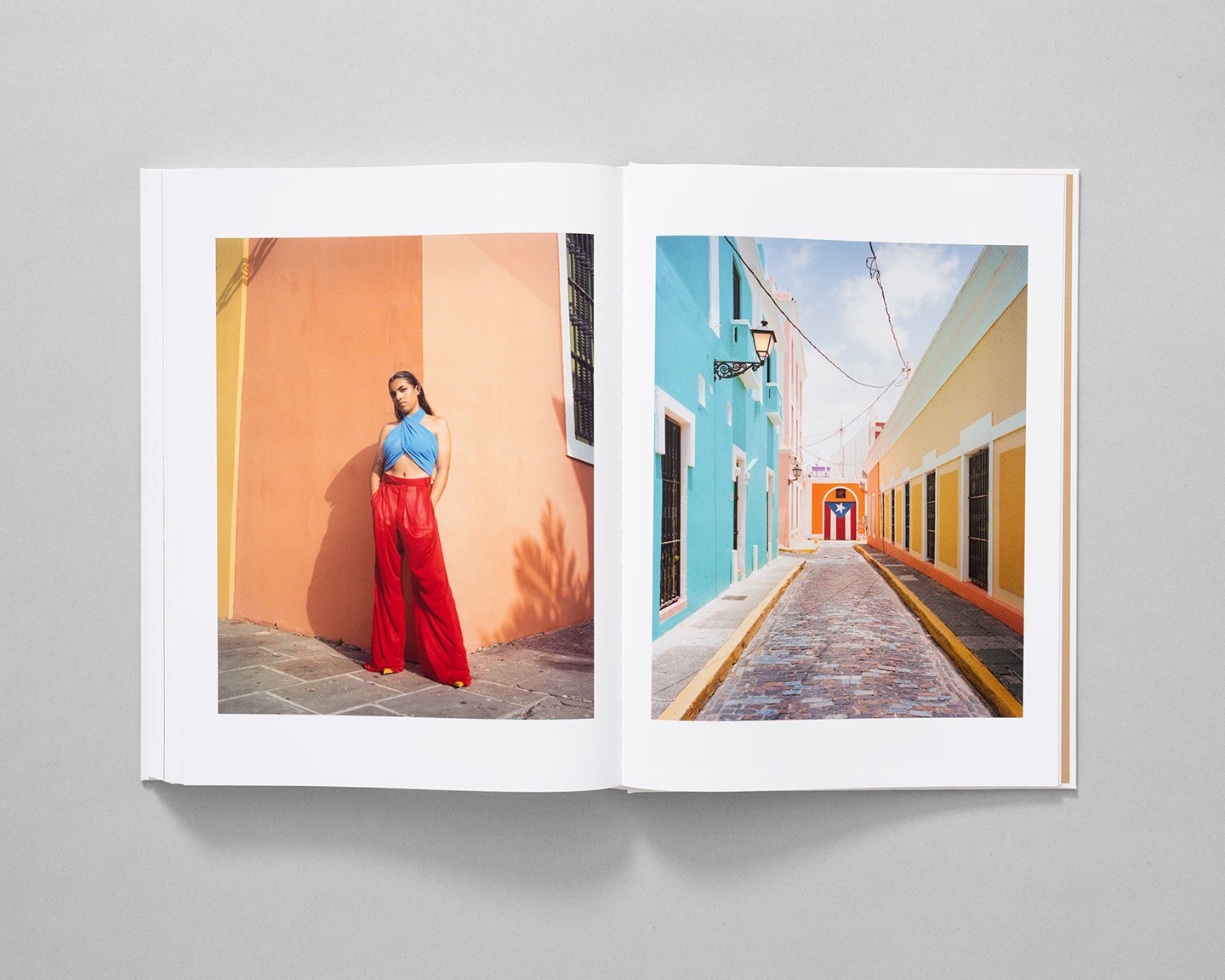
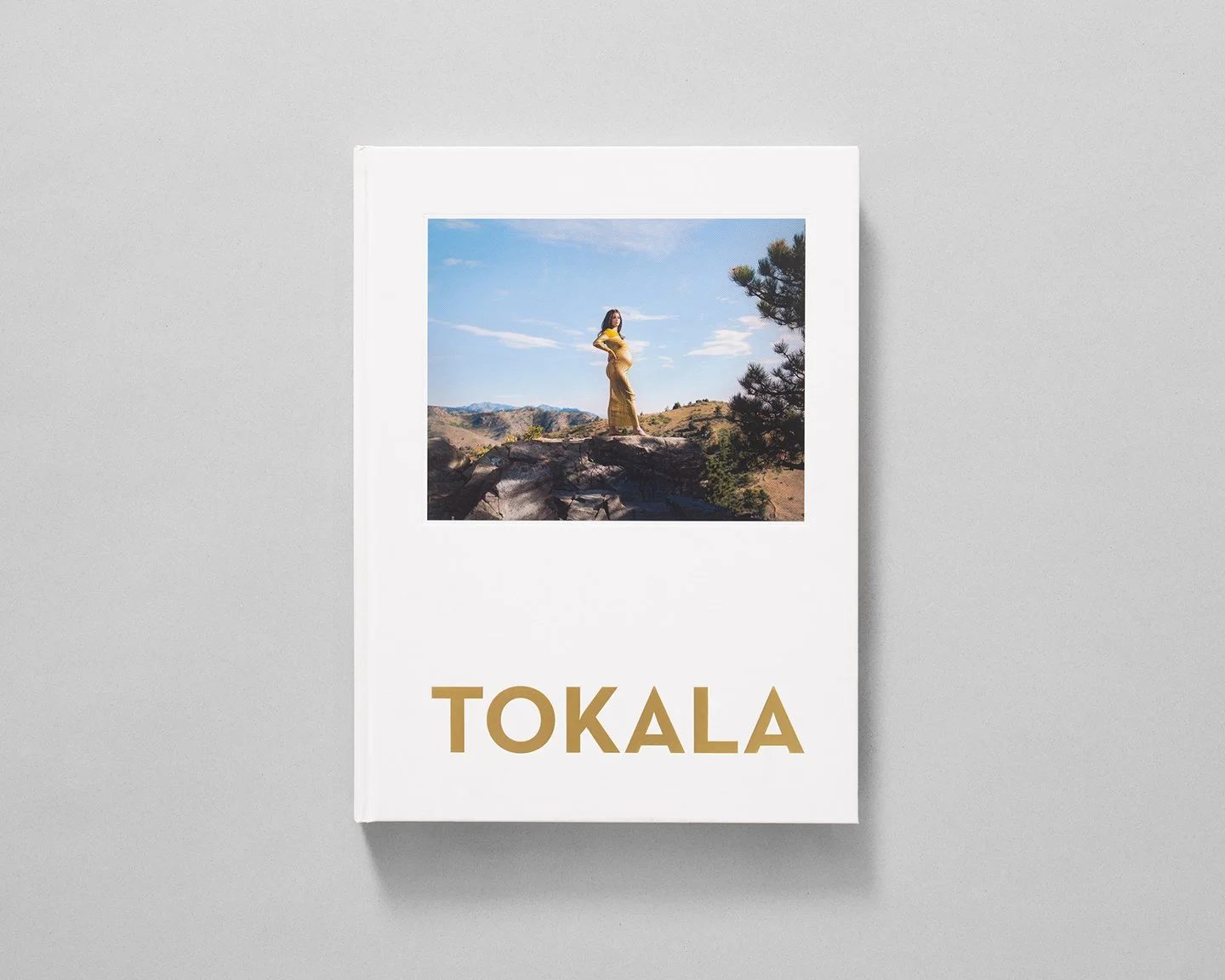
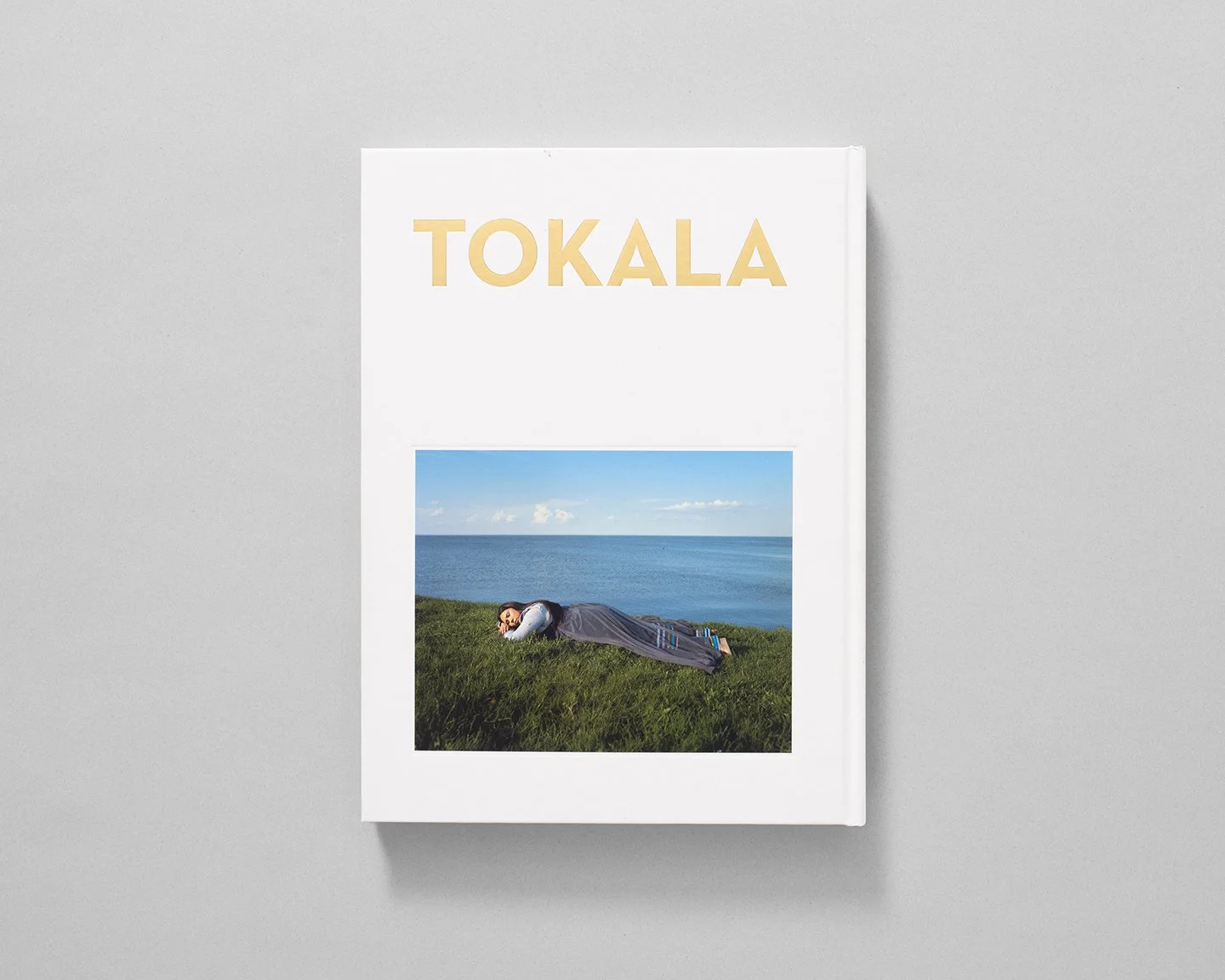
We are pleased to have commissioned, designed, and produced the book, TOKALA, a national photo series that highlights the intersectionality of climate and social justice by centering on Queer Black, Indigenous, and People of Color (QBIPOC) youth organizers and the stories of the communities they are fighting for.
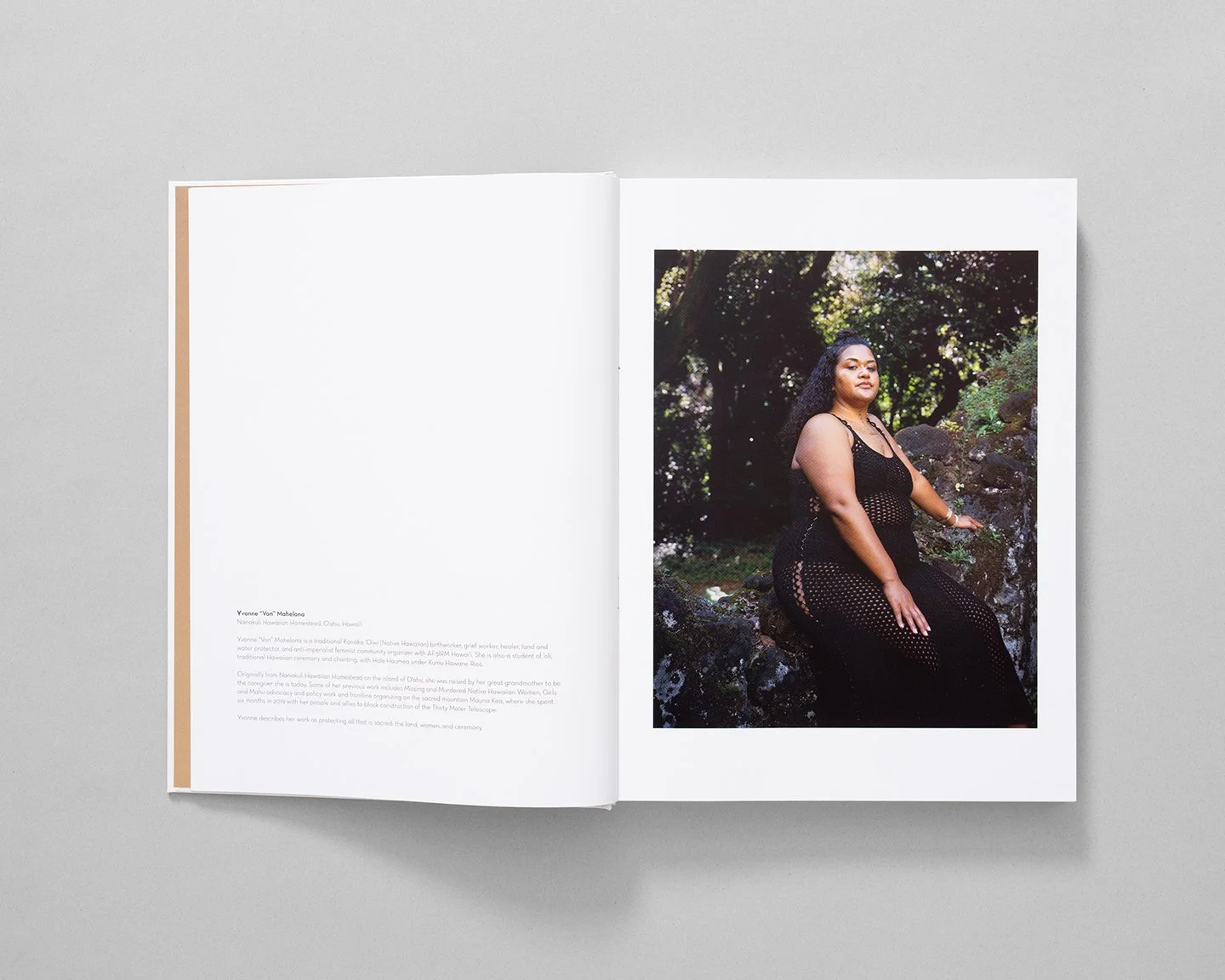
Featuring thirteen activists from eleven locations across the United States, the series reflects the varied climates and lifestyles in each region while illuminating the connecting thread of injustice. For many in the general public, climate justice is a relatively new concept, but TOKALA—photographed by Carlos Jaramillo and styled by Marcus Correa—offers a powerful, educational platform for a wider audience to visually understand the many faces of climate justice and what this work truly entails.
Mainstream media often features activists during moments of crisis, frequently relying on an outside perspective that fails to accurately reflect the lived experiences of these communities. TOKALA, named after the historical Tokala (Kit Fox) Society of the Lakota Tribe—a group of young warriors known for bravery and leadership—is a visual response to this misrepresentation. Our intention is not only to humanize these individuals and communities but to show them in their beauty, power, and strength.
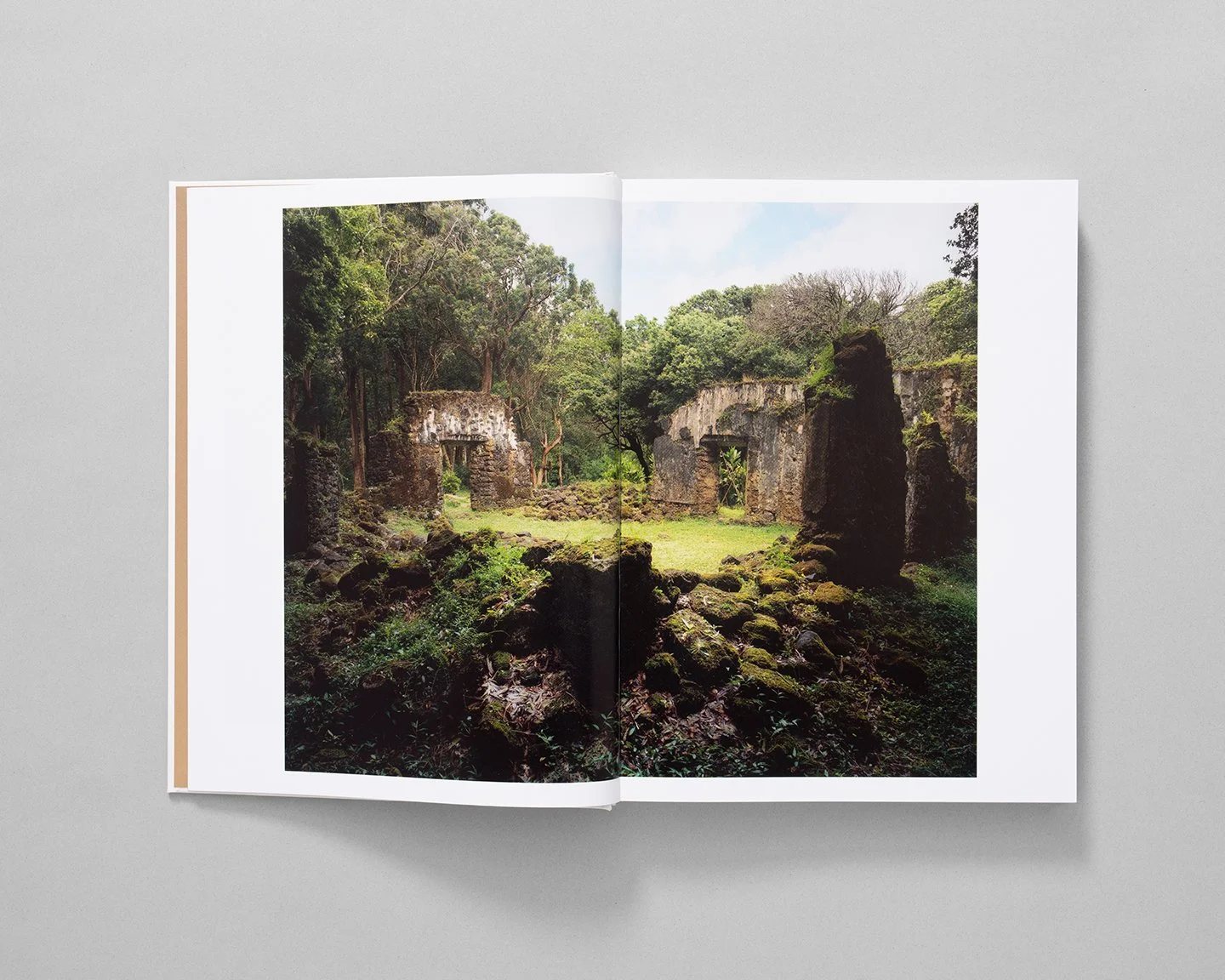
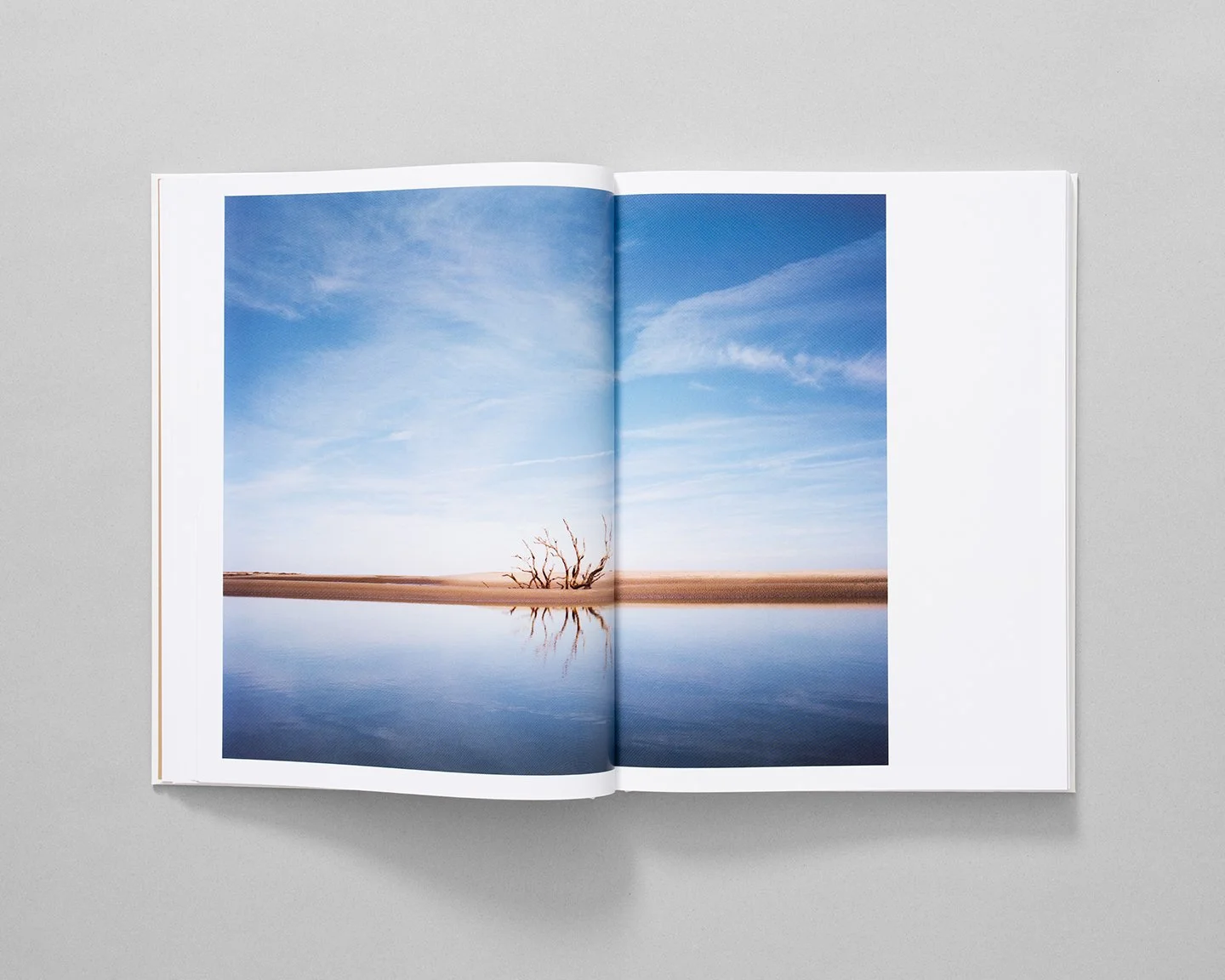
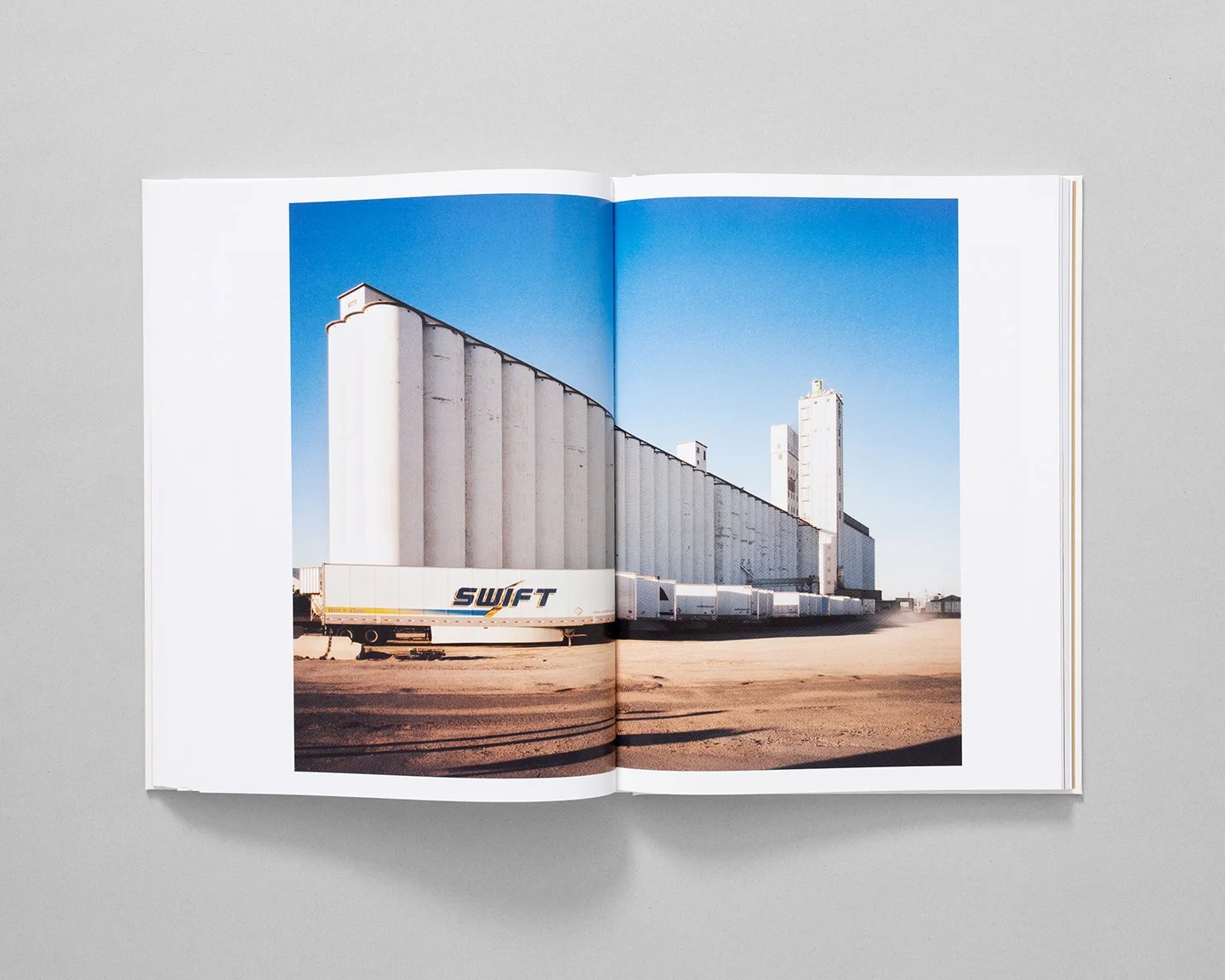
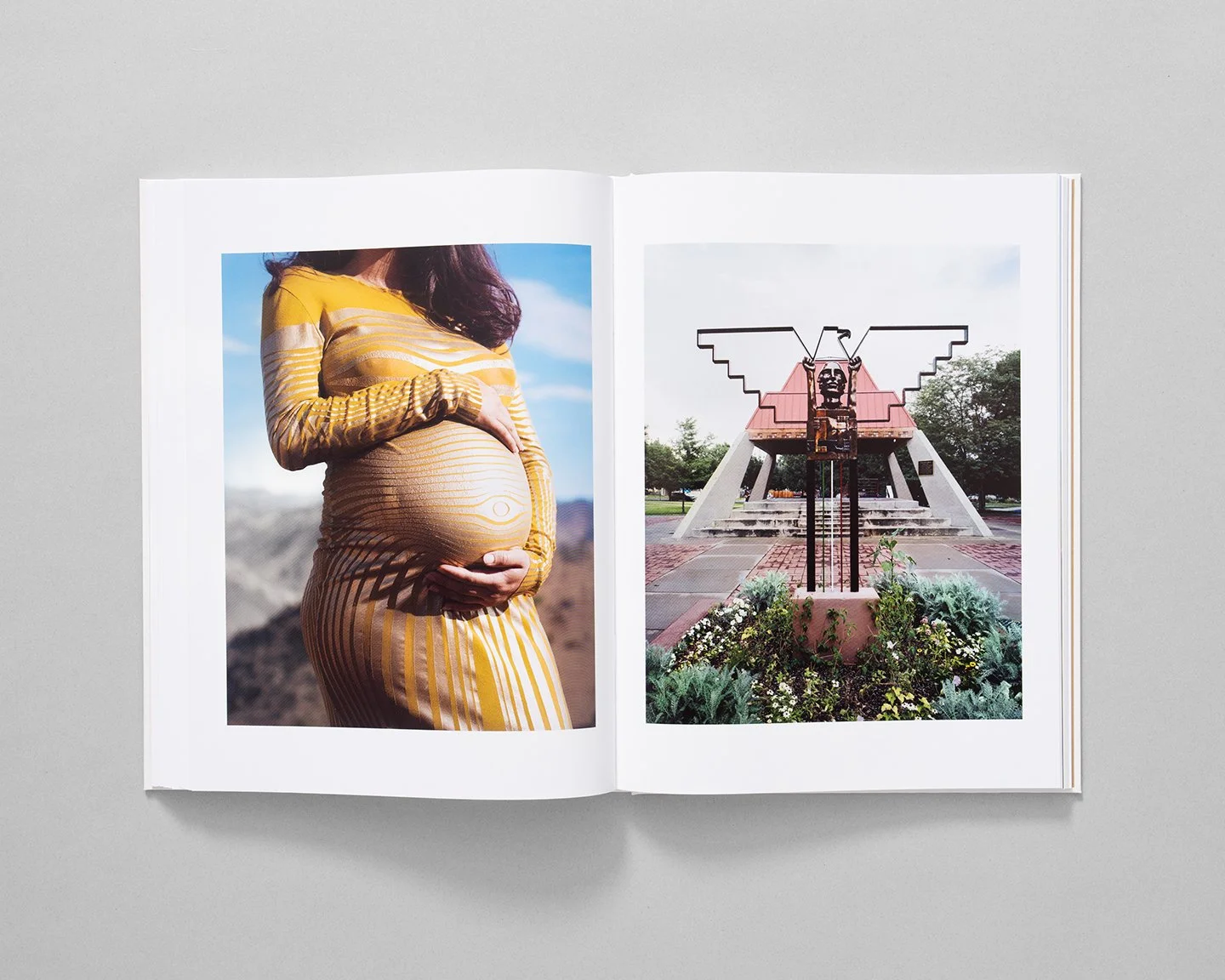
Our human-centered approach features stylized portraits complemented by fine art documentary images that share each personal story through the organizer's eyes. The goal of TOKALA is twofold: to spread awareness of climate realities and to shift the narrative being presented to the general public. By giving a platform to those who are often overlooked, we aim to impact audiences who might not otherwise have a connection, serving as a bridge between the activist, art, and fashion spaces to spur collective action.
Climate change is the product of systemic social issues, including capitalism, imperialism, and racism. Though the causes are complex, the reality is consistent: QBIPOC communities are disproportionately affected by climate change and have always been at the forefront of the fight against it.
We are pleased to have commissioned, designed, and produced the book, TOKALA, a national photo series that highlights the intersectionality of climate and social justice by centering on Queer Black, Indigenous, and People of Color (QBIPOC) youth organizers and the stories of the communities they are fighting for.
Featuring thirteen activists from eleven locations across the United States, the series reflects the varied climates and lifestyles in each region while illuminating the connecting thread of injustice. For many in the general public, climate justice is a relatively new concept, but TOKALA—photographed by Carlos Jaramillo and styled by Marcus Correa—offers a powerful, educational platform for a wider audience to visually understand the many faces of climate justice and what this work truly entails.
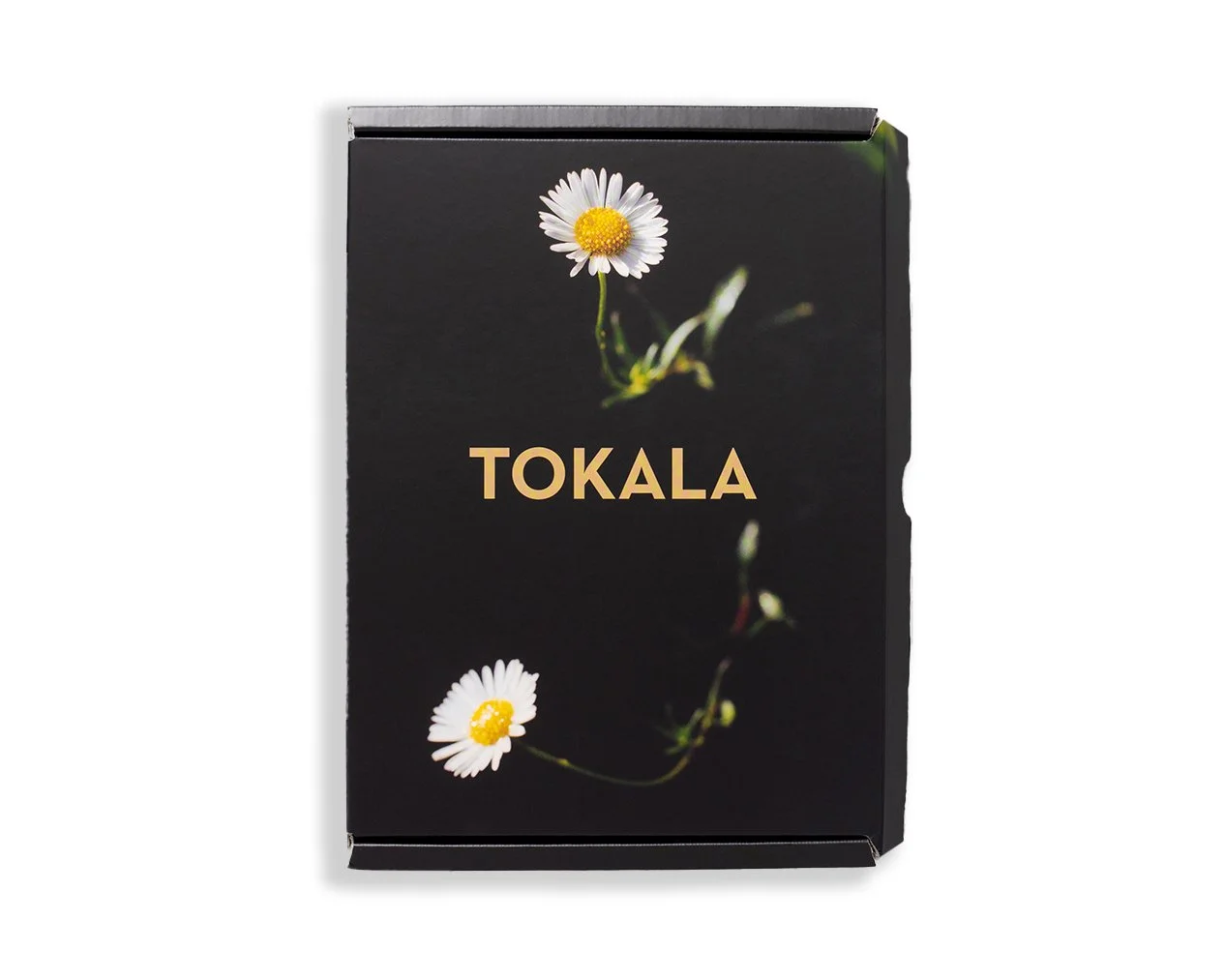
Mainstream media often features activists during moments of crisis, frequently relying on an outside perspective that fails to accurately reflect the lived experiences of these communities. TOKALA, named after the historical Tokala (Kit Fox) Society of the Lakota Tribe—a group of young warriors known for bravery and leadership—is a visual response to this misrepresentation. Our intention is not only to humanize these individuals and communities but to show them in their beauty, power, and strength.
Our human-centered approach features stylized portraits complemented by fine art documentary images that share each personal story through the organizer's eyes. The goal of TOKALA is twofold: to spread awareness of climate realities and to shift the narrative being presented to the general public. By giving a platform to those who are often overlooked, we aim to impact audiences who might not otherwise have a connection, serving as a bridge between the activist, art, and fashion spaces to spur collective action.
Climate change is the product of systemic social issues, including capitalism, imperialism, and racism. Though the causes are complex, the reality is consistent: QBIPOC communities are disproportionately affected by climate change and have always been at the forefront of the fight against it.