
Carlos Jaramillo, Marcus Correa, Thomas Lopez
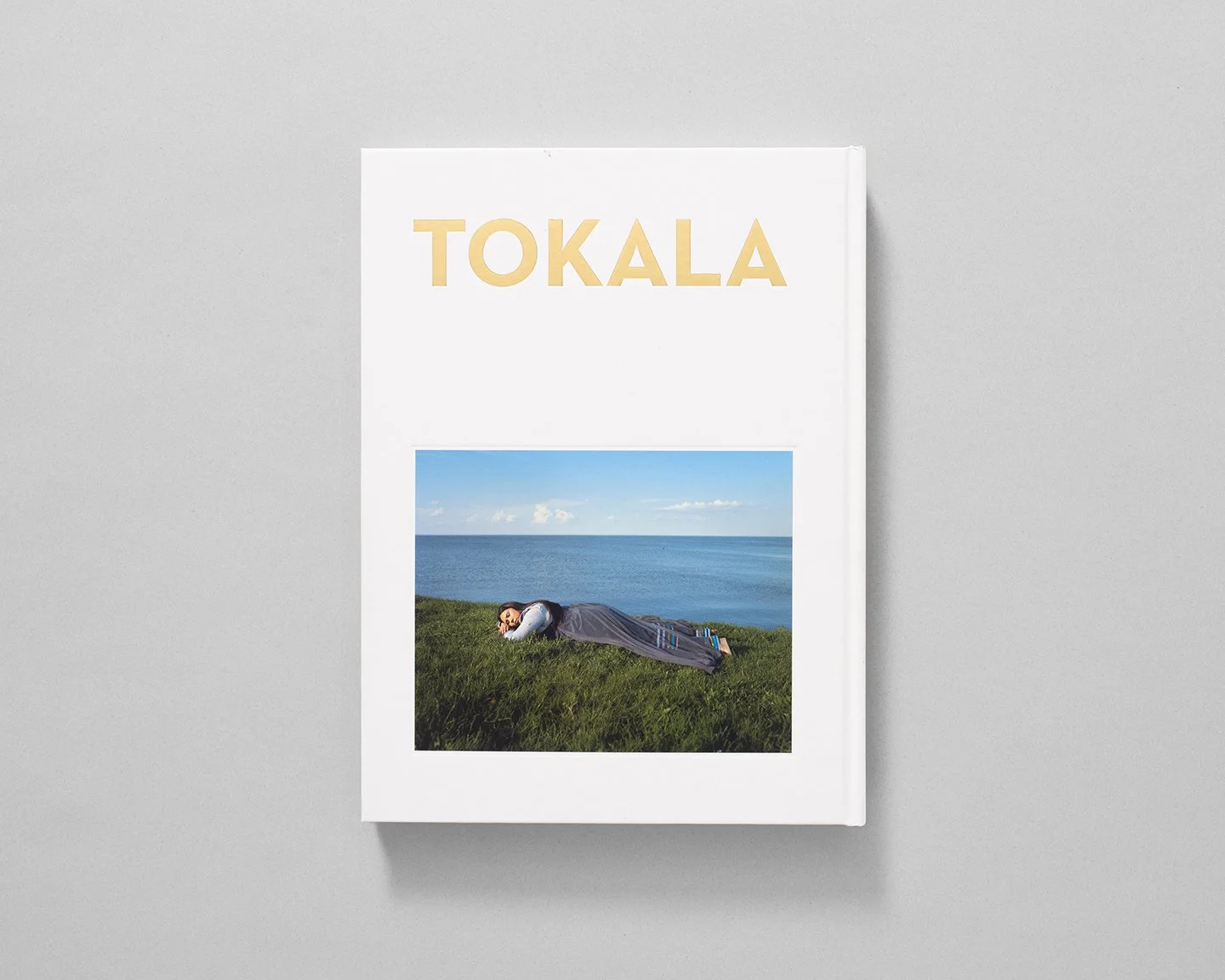
TOKALA (April 2026)
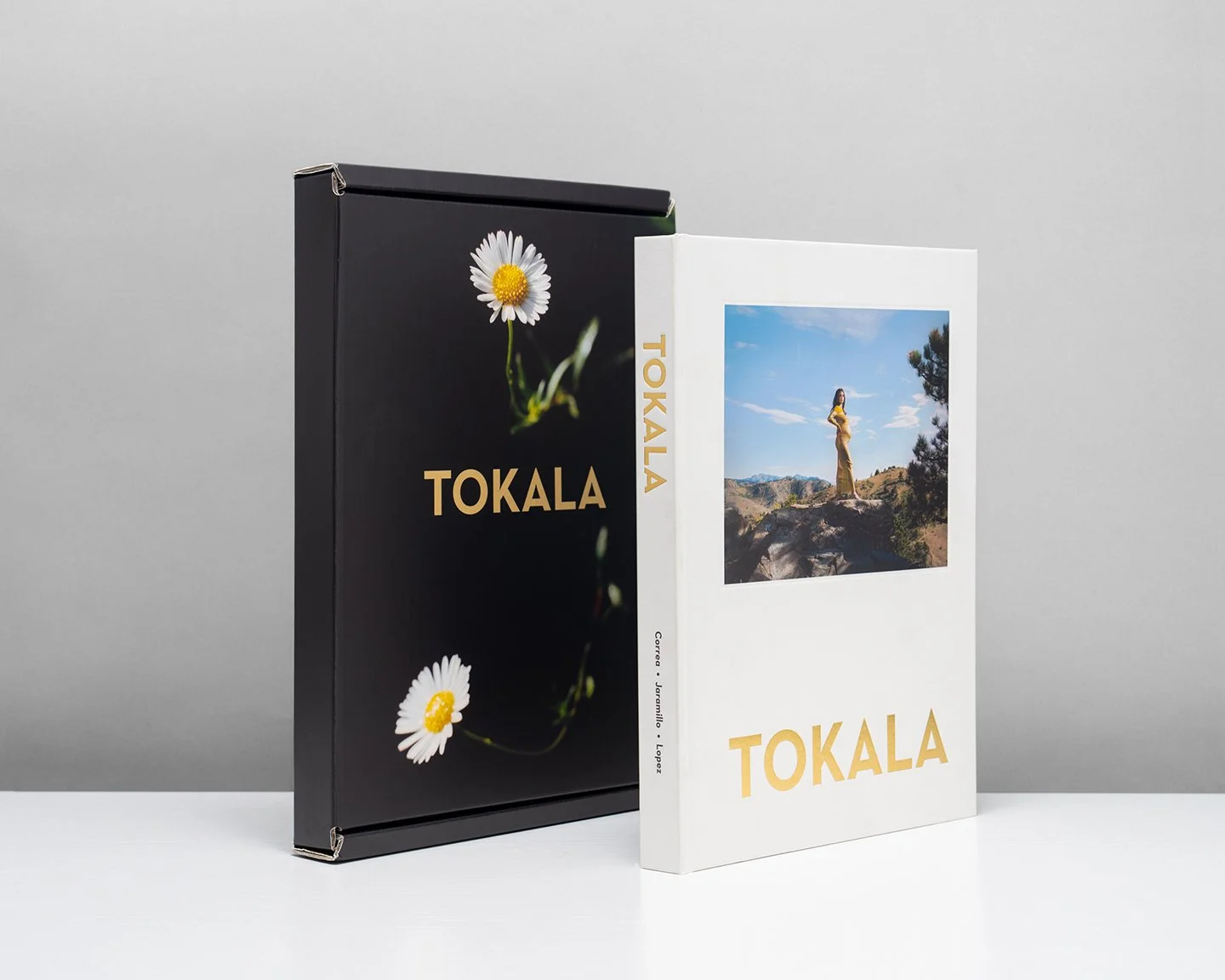
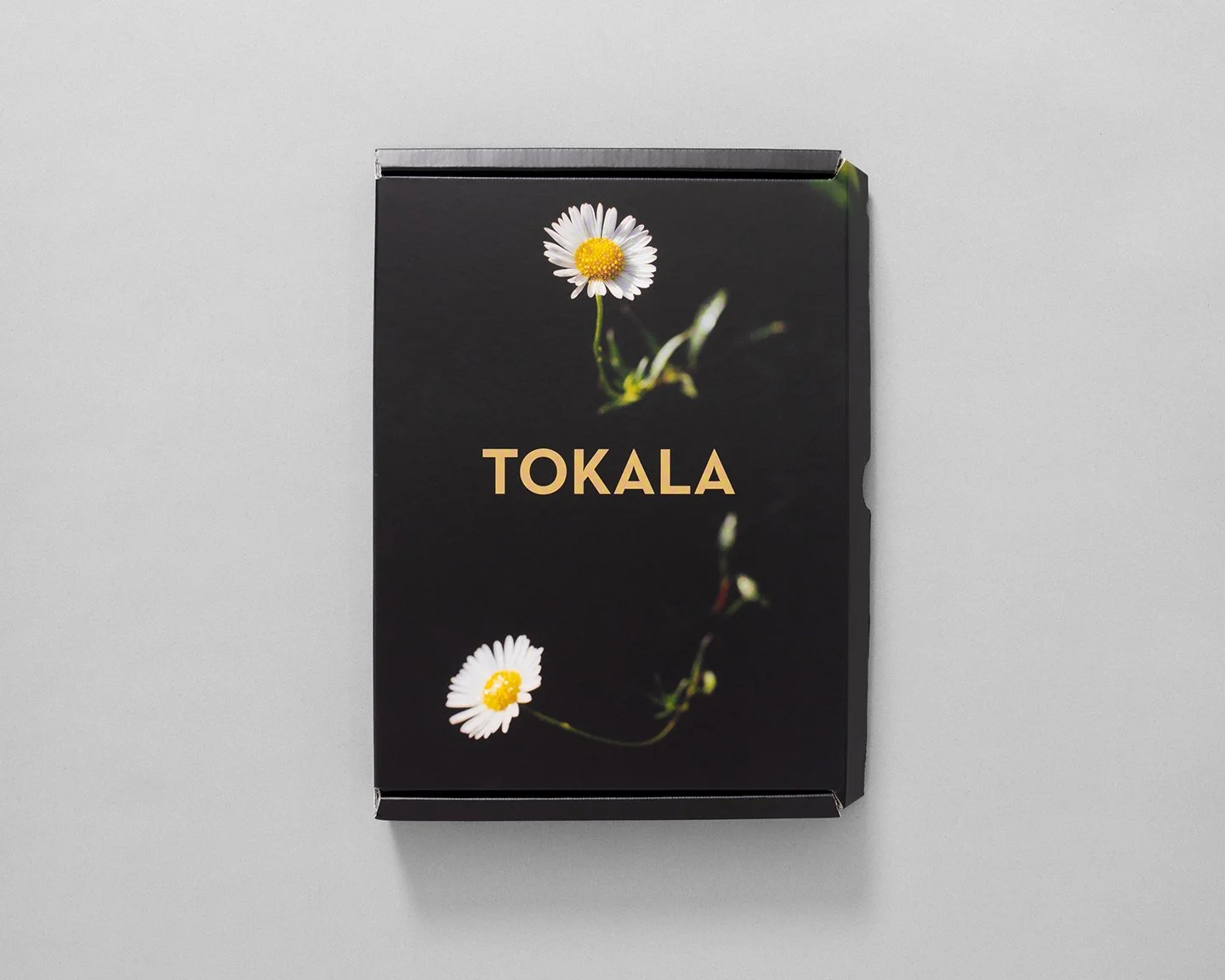
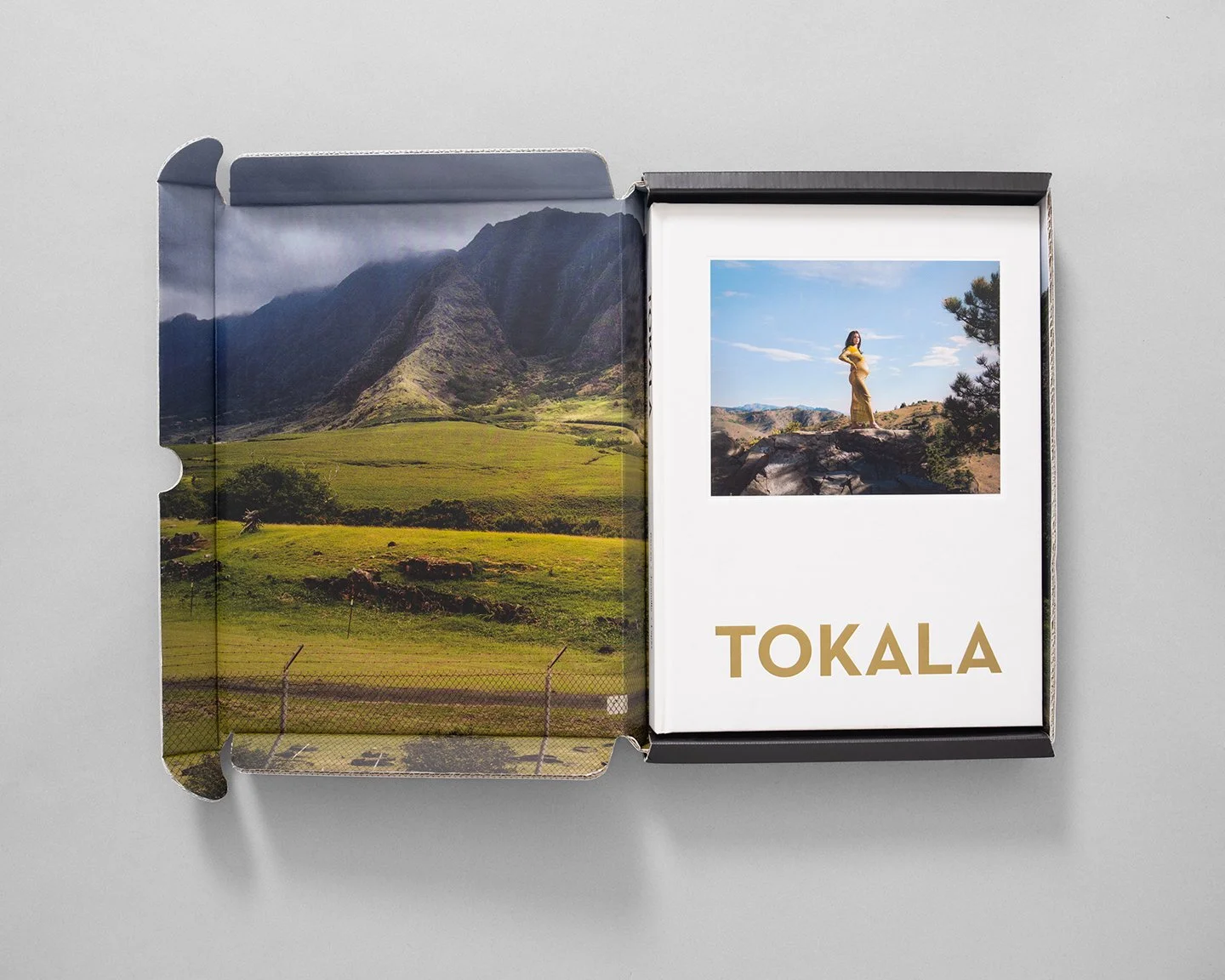
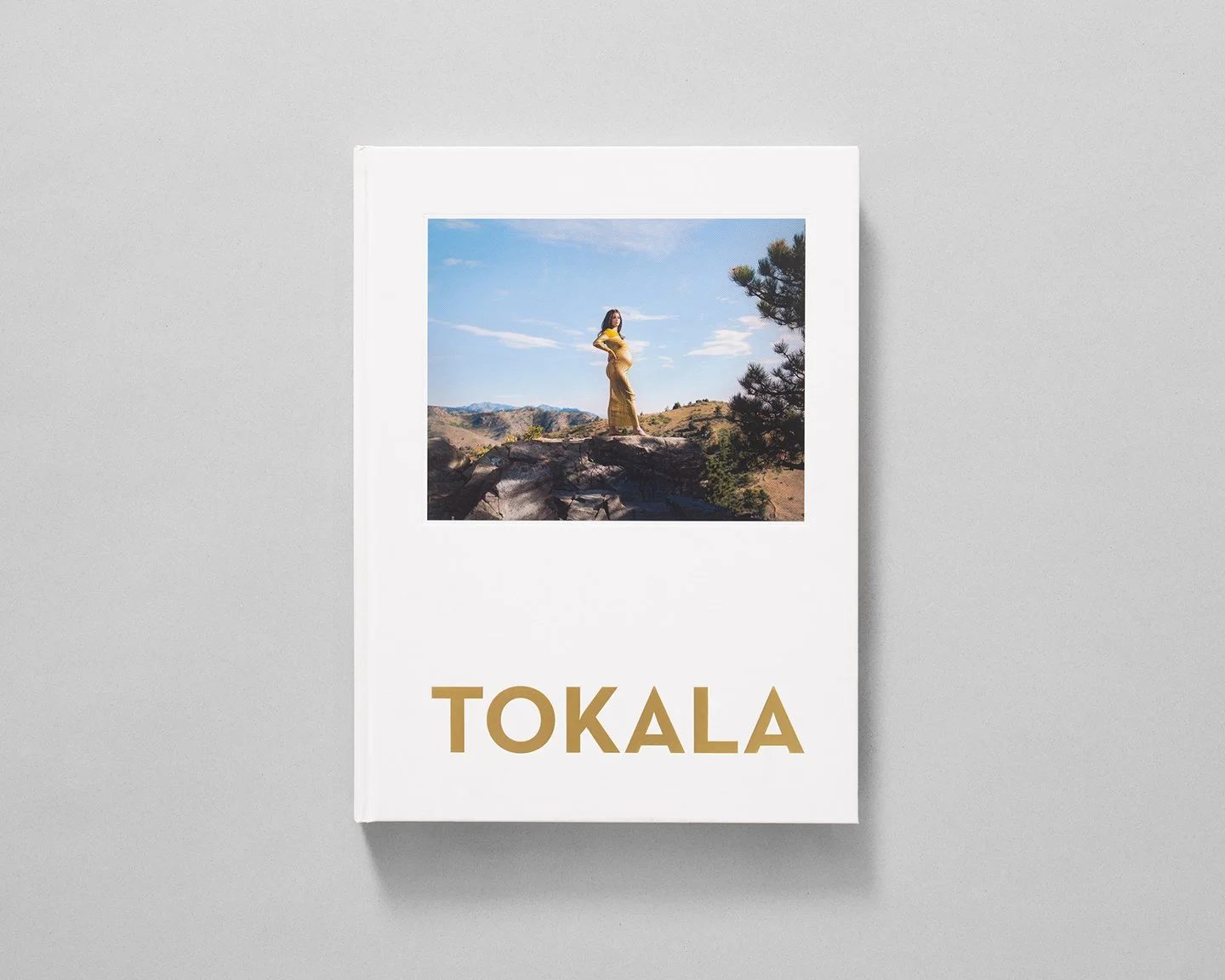
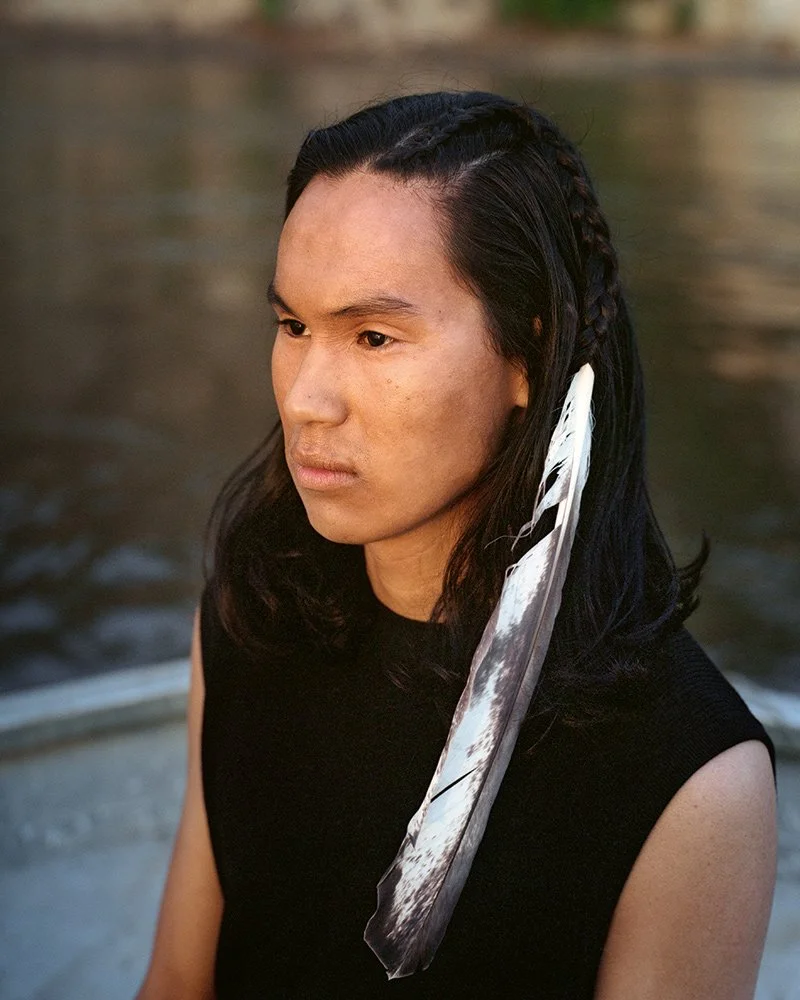
We are pleased to present TOKALA, a national photo series that highlights the intersectionality of climate and social justice by centering on Queer Black, Indigenous, and People of Color (QBIPOC) youth organizers and the stories of the communities they are fighting for.
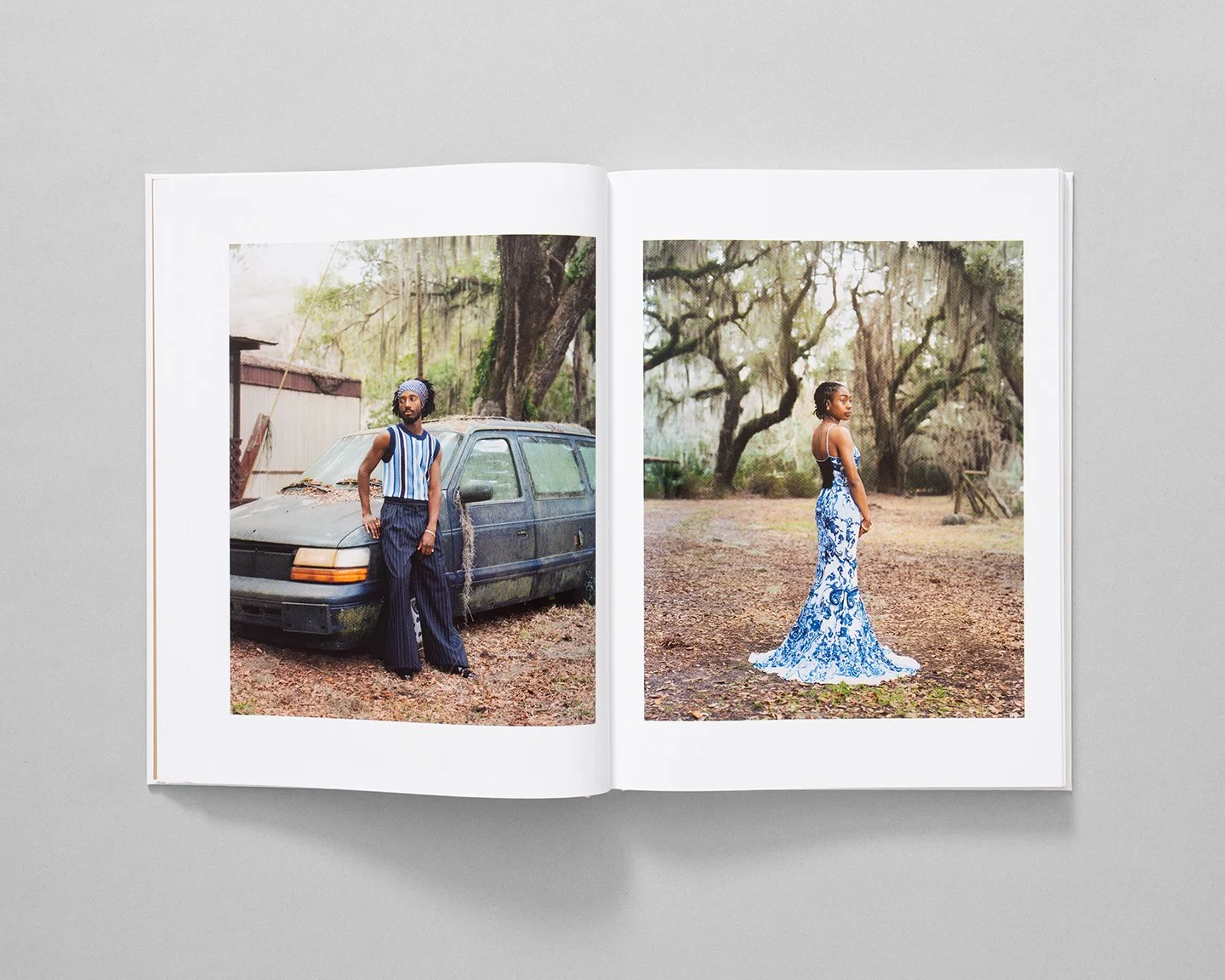
Featuring thirteen activists from eleven locations across the United States, the series reflects the varied climates and lifestyles in each region while illuminating the connecting thread of injustice. For many in the general public, climate justice is a relatively new concept, but TOKALA—photographed by Carlos Jaramillo and styled by Marcus Correa—offers a powerful, educational platform for a wider audience to visually understand the many faces of climate justice and what this work truly entails.
Mainstream media often features activists during moments of crisis, frequently relying on an outside perspective that fails to accurately reflect the lived experiences of these communities. TOKALA, named after the historical Tokala (Kit Fox) Society of the Lakota Tribe—a group of young warriors known for bravery and leadership—is a visual response to this misrepresentation. Our intention is not only to humanize these individuals and communities but to show them in their beauty, power, and strength.
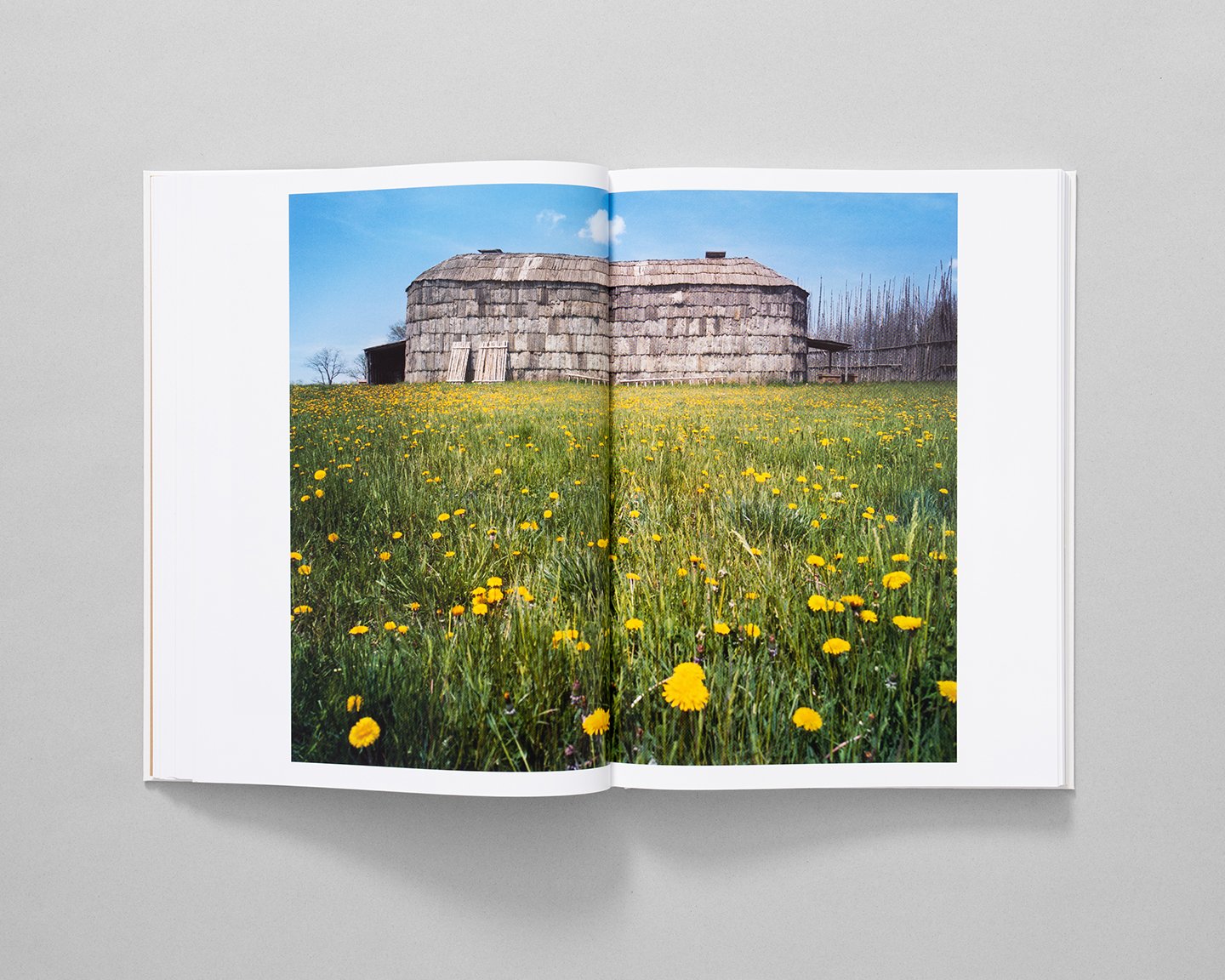
Our human-centered approach features stylized portraits complemented by fine art documentary images that share each personal story through the organizer's eyes. The goal of TOKALA is twofold: to spread awareness of climate realities and to shift the narrative being presented to the general public. By giving a platform to those who are often overlooked, we aim to impact audiences who might not otherwise have a connection, serving as a bridge between the activist, art, and fashion spaces to spur collective action.
Climate change is the product of systemic social issues, including capitalism, imperialism, and racism. Though the causes are complex, the reality is consistent: QBIPOC communities are disproportionately affected by climate change and have always been at the forefront of the fight against it.
Press Contact
Massimo Rossi
concierge@convoke.nyc
+1 (646) 504-9322
ACTIVISTS
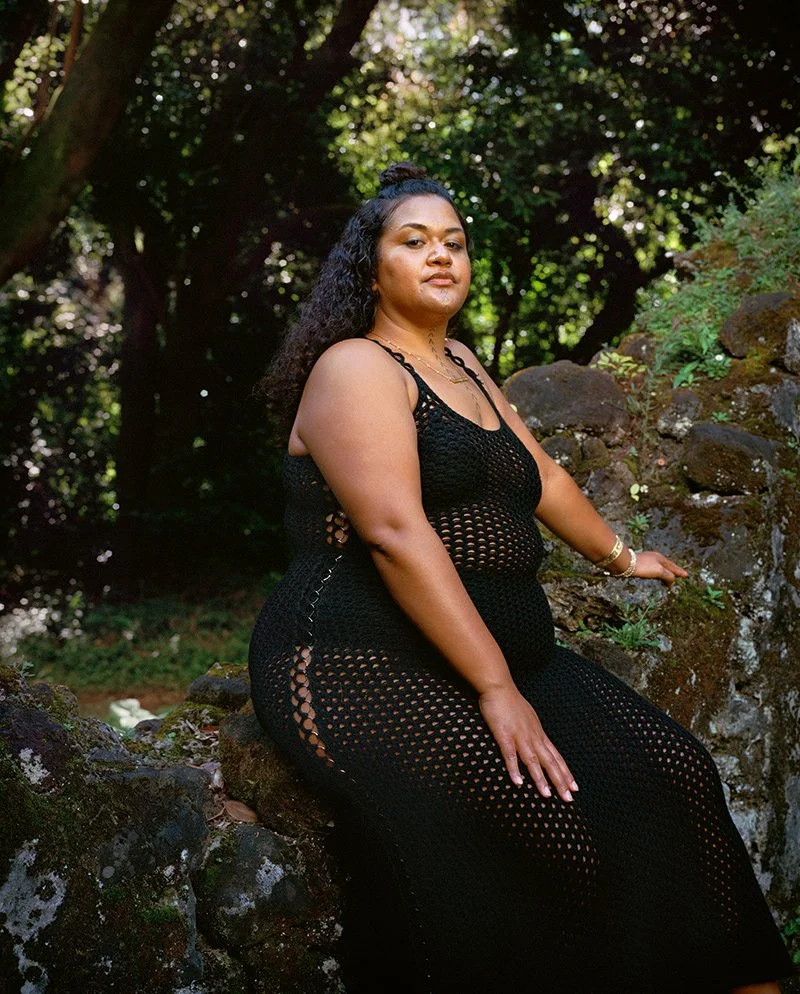
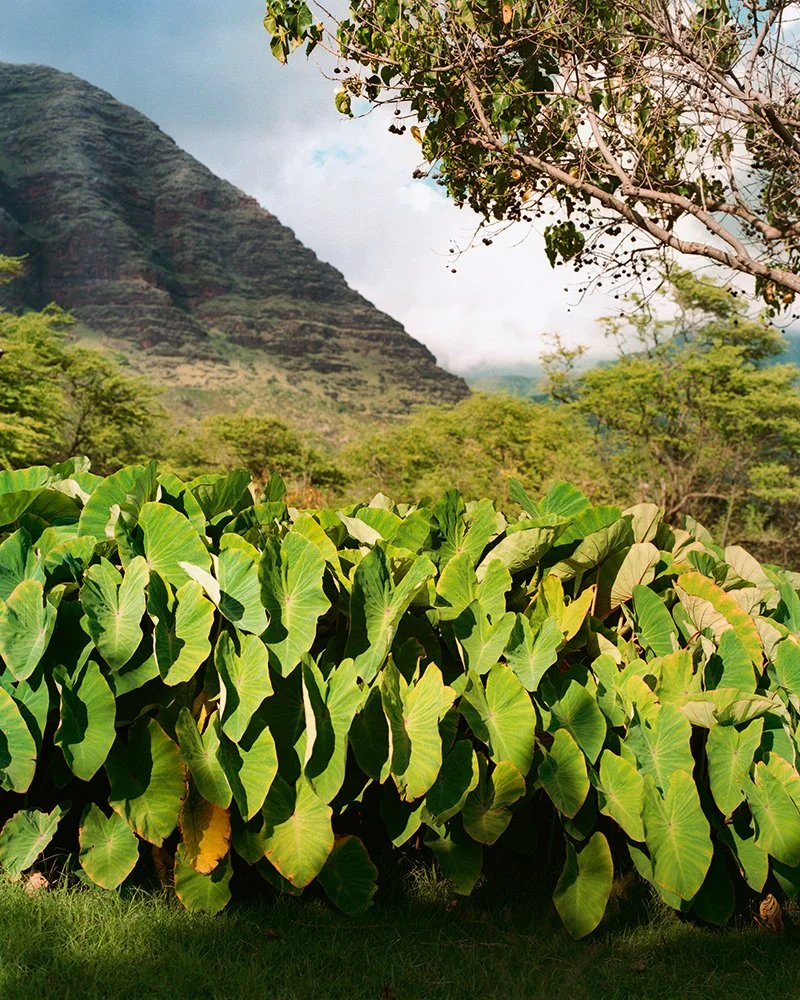
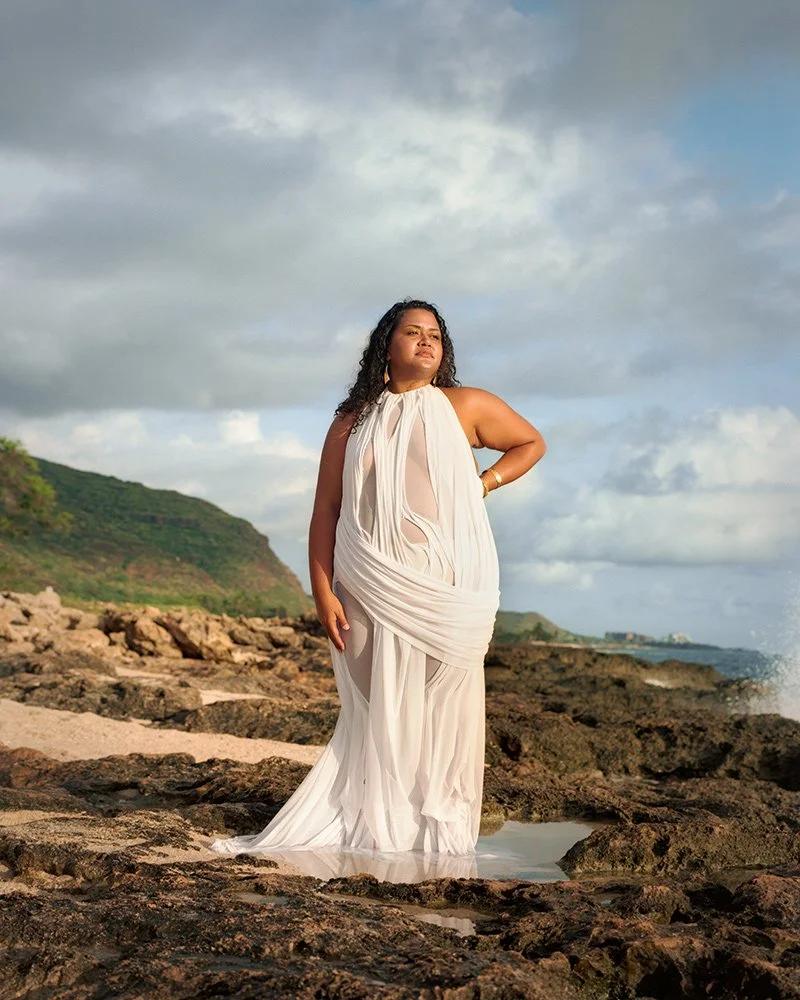
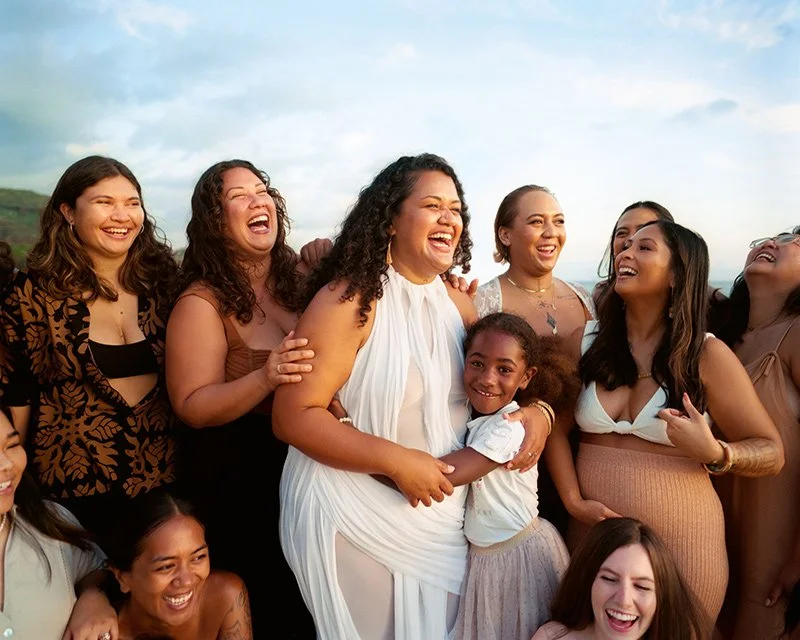
Yvonne “Von” Mahelona
Oahu, HI
Yvonne “Von” Mahelona is a traditional Kanaka ‘Oiwi (Native Hawaiian) birthworker, grief worker, healer, land and water protector, and anti-imperialist feminist community organizer with AF3IRM Hawai‘i. She is also a student of ‘oli, traditional Hawaiian ceremony and chanting, with Hale Haumea under Kumu Hawane Rios.
Originally from Nanakuli Hawaiian Homestead on the island of O‘ahu, she was raised by her great-grandmother to be the caregiver she is today. Some of her previous work includes Missing and Murdered Native Hawaiian Women, Girls and Mahu advocacy and policy work and frontline organizing on the sacred mountain Mauna Kea, where she spent six months in 2019 with her people and allies to block construction of the Thirty Meter Telescope.
Yvonne describes her work as protecting all that is sacred: the land, women, and ceremony.
Esperanza Solé Garcia
Mora, NM
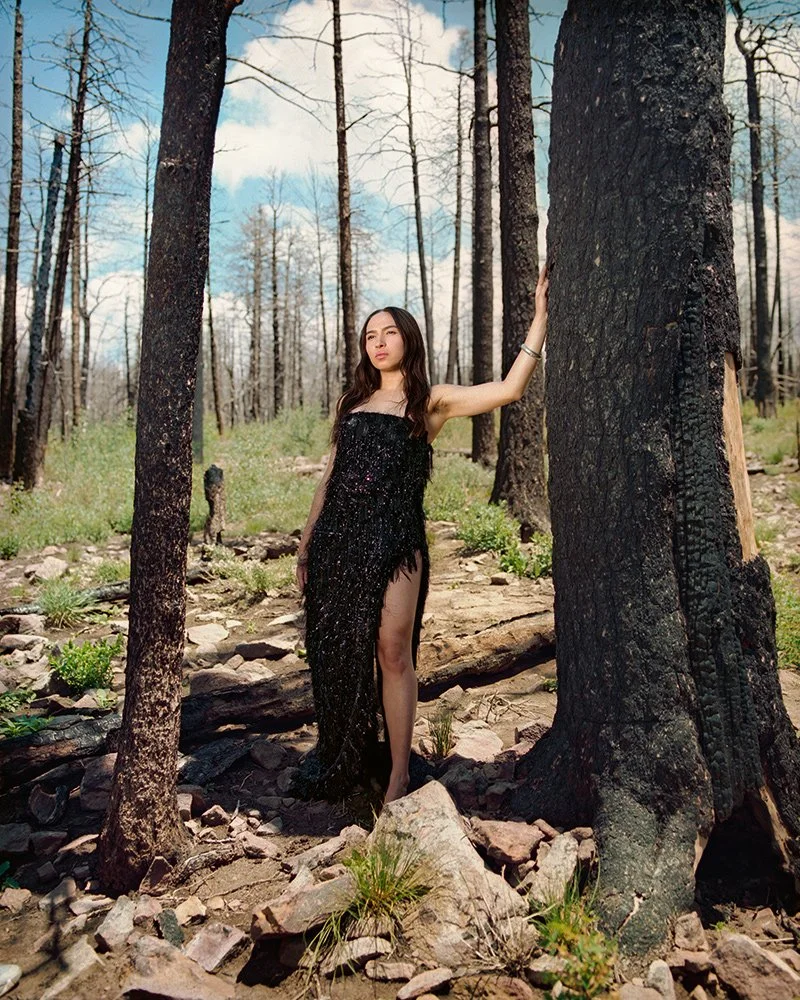
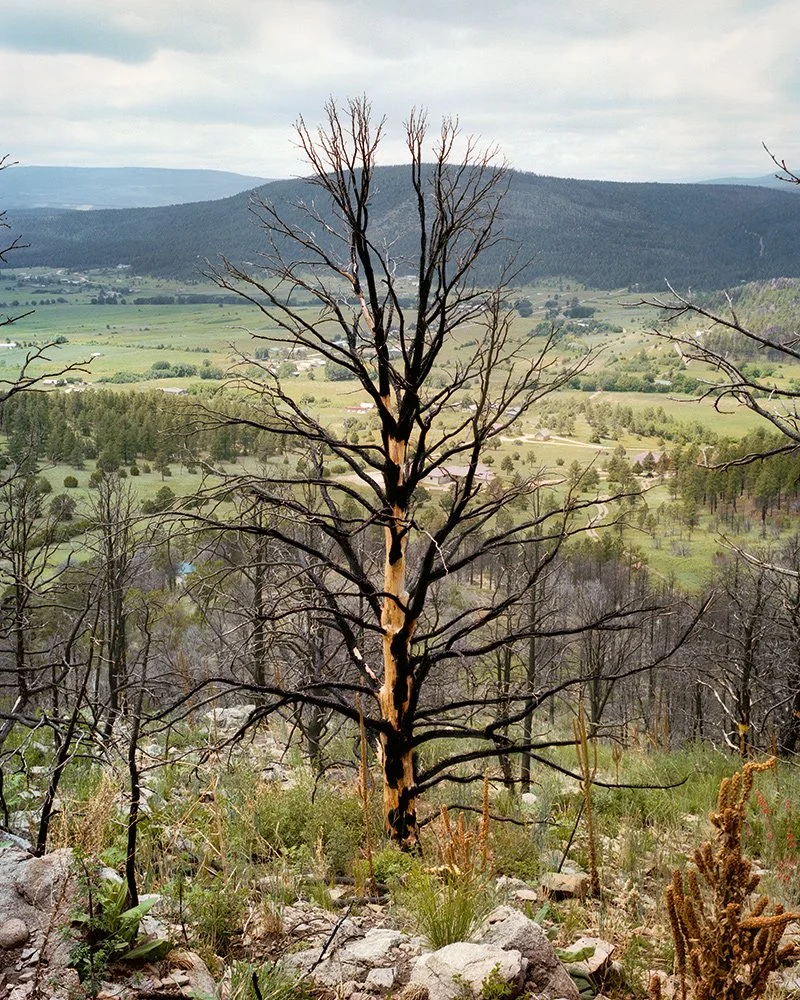
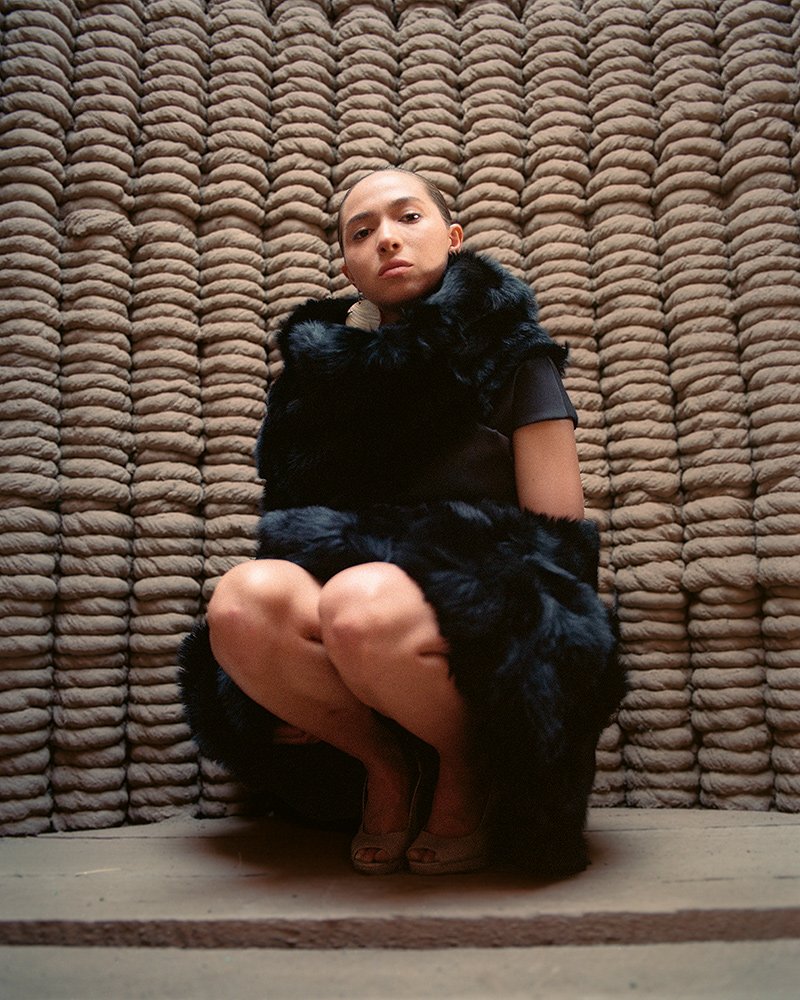
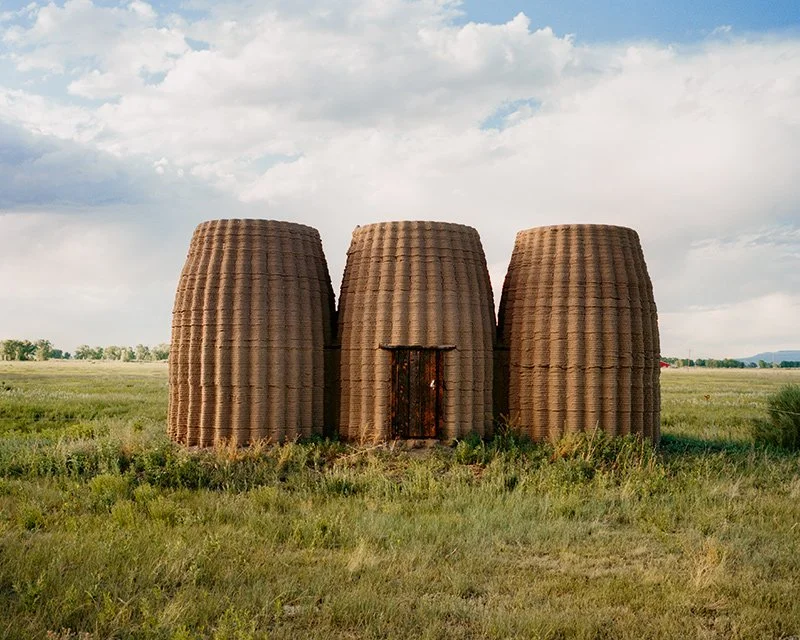
Esperanza Soledad Garcia (they/she), is an architect, artist, and activist with deep multigenerational roots in Northern New Mexico. As a fifth-generation water protector, Esperanza has been instrumental in the restoration efforts following the 300,000-acre Hermit’s Peak-Calf Canyon Wildfire in San Miguel and Mora County, New Mexico. Through her work, she is dedicated to creating a sustainable and equitable future through architecture and design.
Esperanza is a devoted steward of acequias, which are vital water channels sourced from alpine lakes and snowmelt that provide irrigation and sustain life in the mountainous desert. These traditional acequia and land stewardship practices are increasingly endangered by climate-induced droughts, a declining local population, and private interests. Her name, Esperanza Soledad, translates to “Hope in Solitude,” and she is a descendant of curanderas, musicians, farm workers, engineers, and adoberos.
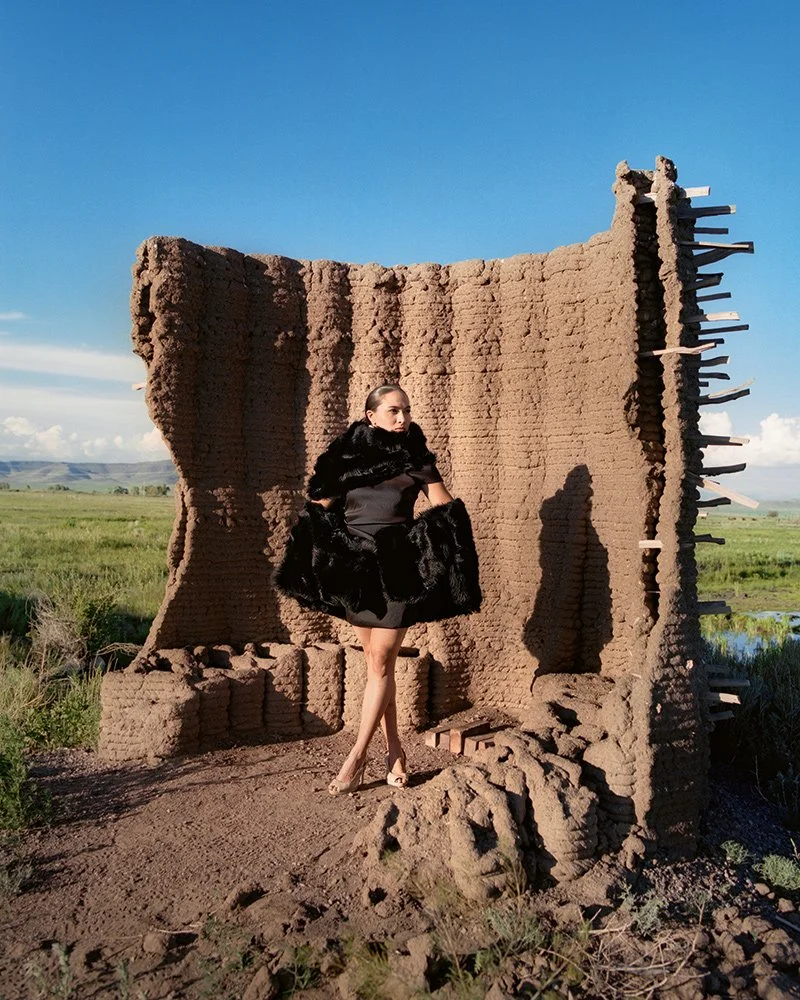
Inspired by her elders, Esperanza embraces the tradition of crafted adobe homes, viewing them as sacred spaces that nurture future generations. Her philosophy seamlessly blends traditional Indigenous adobe architecture with innovative technology to develop practical solutions for the housing and climate crises. This approach positions her at the intersection of traditional epistemologies and modern science, with aspirations to expand into the fields of fashion, engineering, painting, and robotics.

Atlakatl Ce Tochtli Orozco
Los Angeles, CA
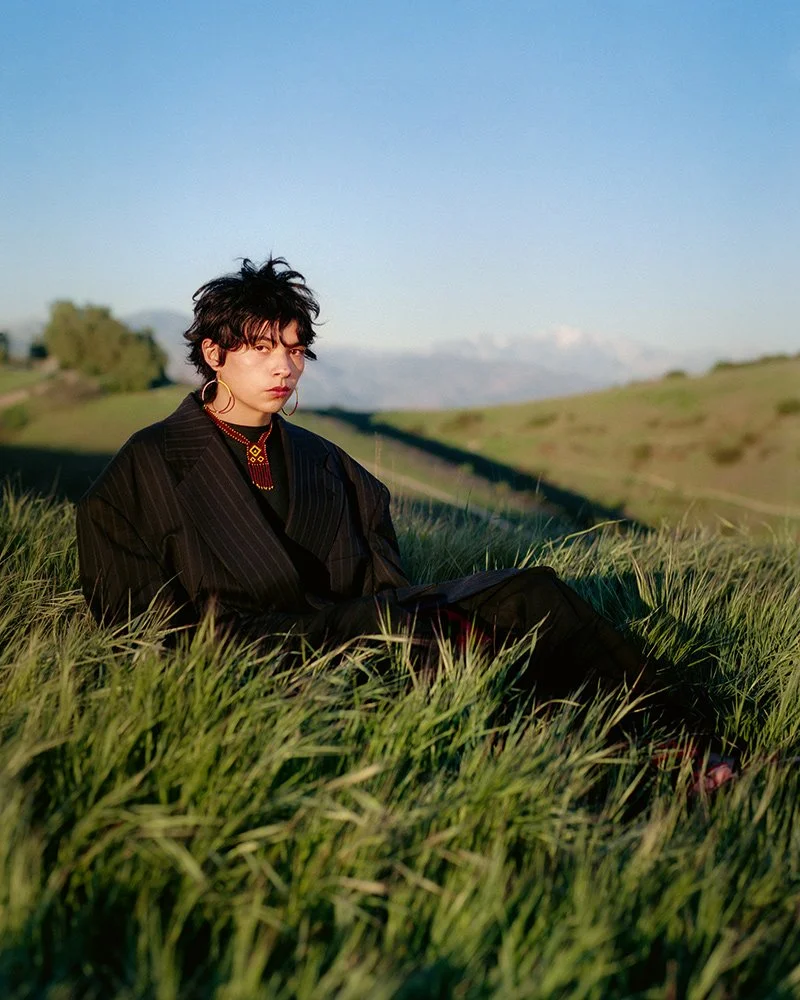
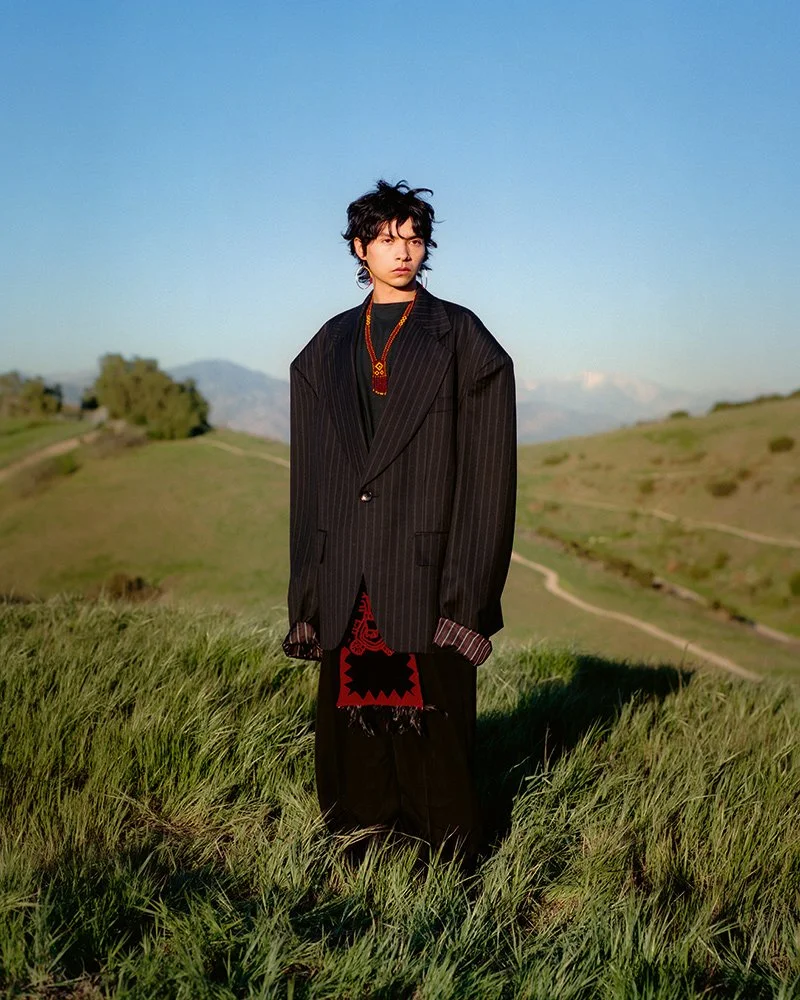
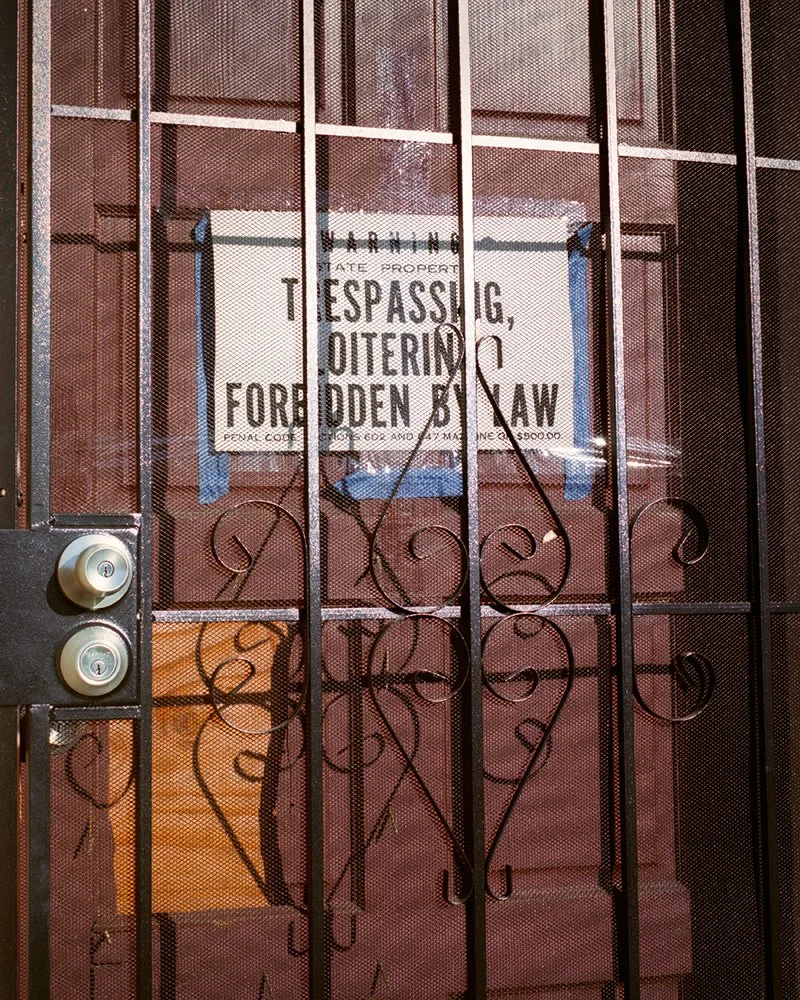
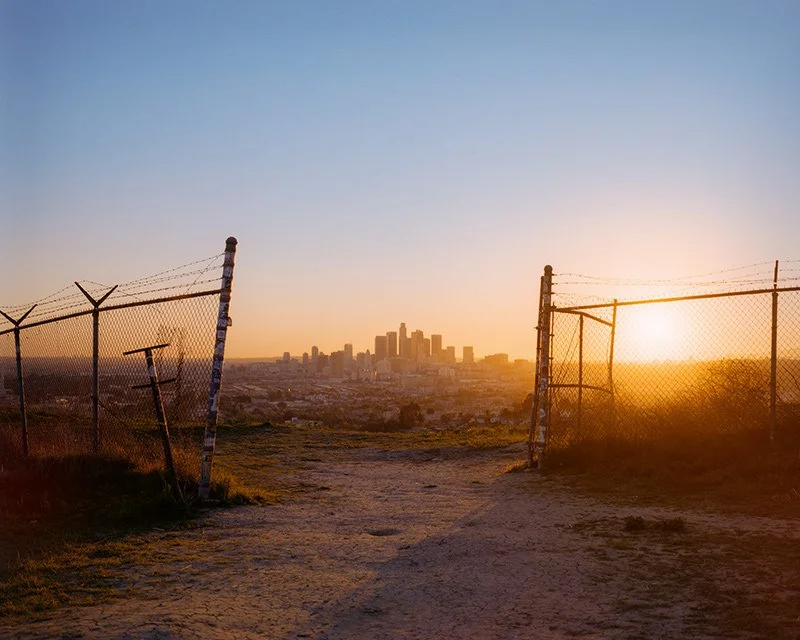
Atlakatl Ce Tochtli Orozco is a Mazahua/Raramuri, Chicano multidisciplinary artist, musician, and educator from Los Angeles, California. Ce Tochtli’s anti-colonial artistic practice and organizing capabilities are deeply rooted in his early childhood experiences with various intersectional solidarity movements in Los Angeles. These movements were fostered by community-driven benefit concerts and protests facilitated by his family’s musical group, Aztlan Underground.
This approach to community organizing has supported a network of Indigenous land defense efforts and spiritual movements from the late 1990s to the present.
These experiences have been guiding forces in his activism, leading him to co-organize housing justice campaigns since 2020 with the group “Reclaiming Our Homes” in El Sereno. Through his organizing, Ce Tochtli addresses the lack of accessibility to basic human needs within his community, viewing it as a necessary foundation for systematic change on a larger scale. He is currently navigating the profound loss of one of his housing justice elders and mentors, Benito Flores, who recently passed away due to a state-ordered eviction.
Currently, Ce Tochtli is creating site-specific topographical environmental artworks as a response to the desecration of local ecologies by spiritually hazardous waste, including pollution, prisons, imposed displacement, and militarism. He utilizes performance, ritual, assemblage installations, altar making, poetry, and video art in his work. His recent educational endeavors include arts facilitation and mentorship with incarcerated youth and the development of a media arts program for Indigenous youth in the northeast San Fernando Valley.

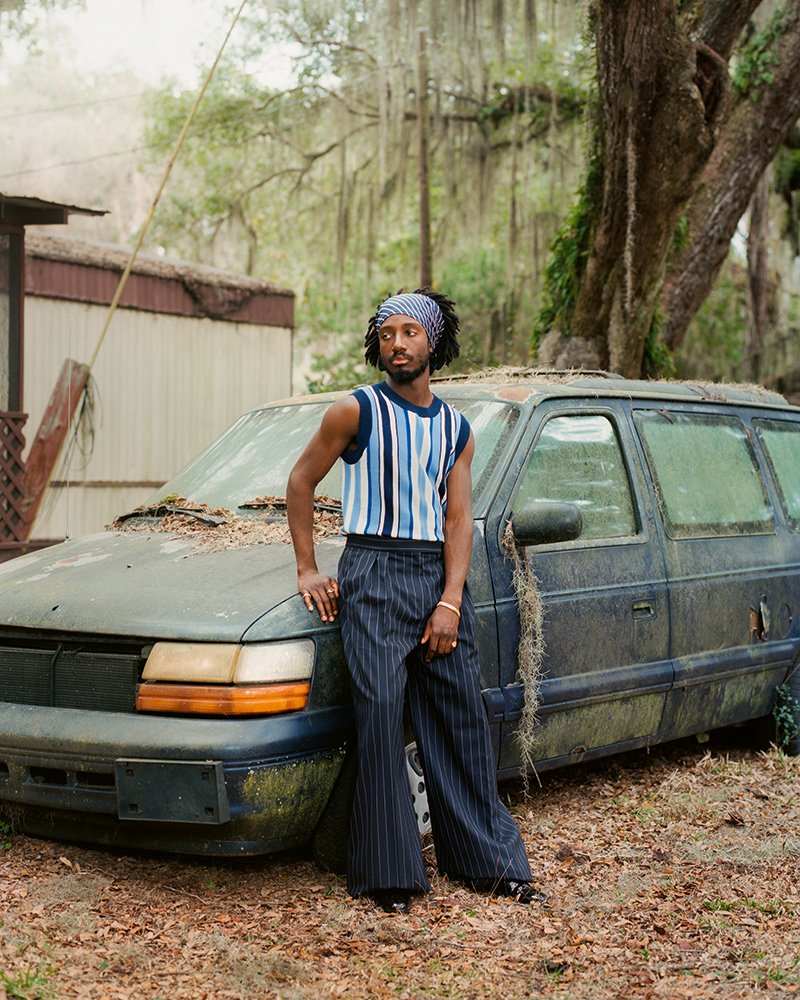
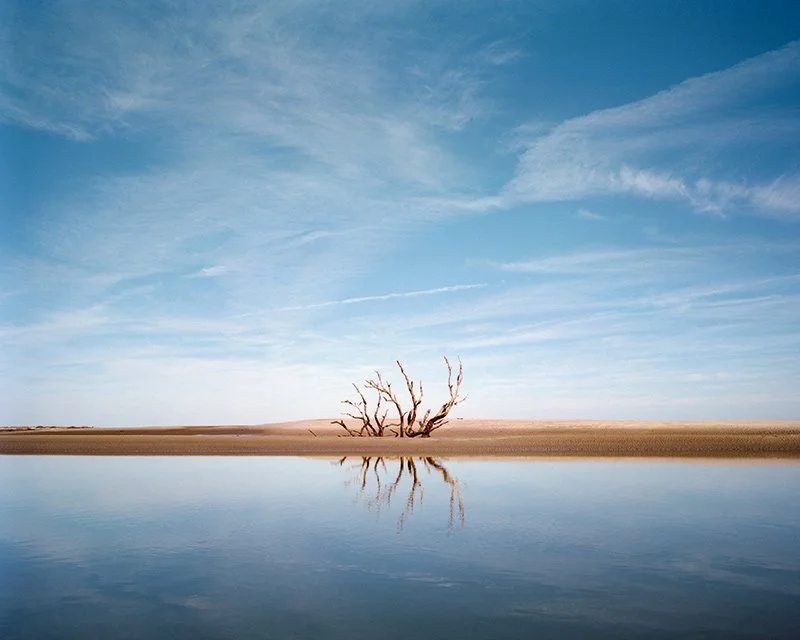
Jennifer Thompson & Victor-Alan Weeks
Sapelo Island, GA
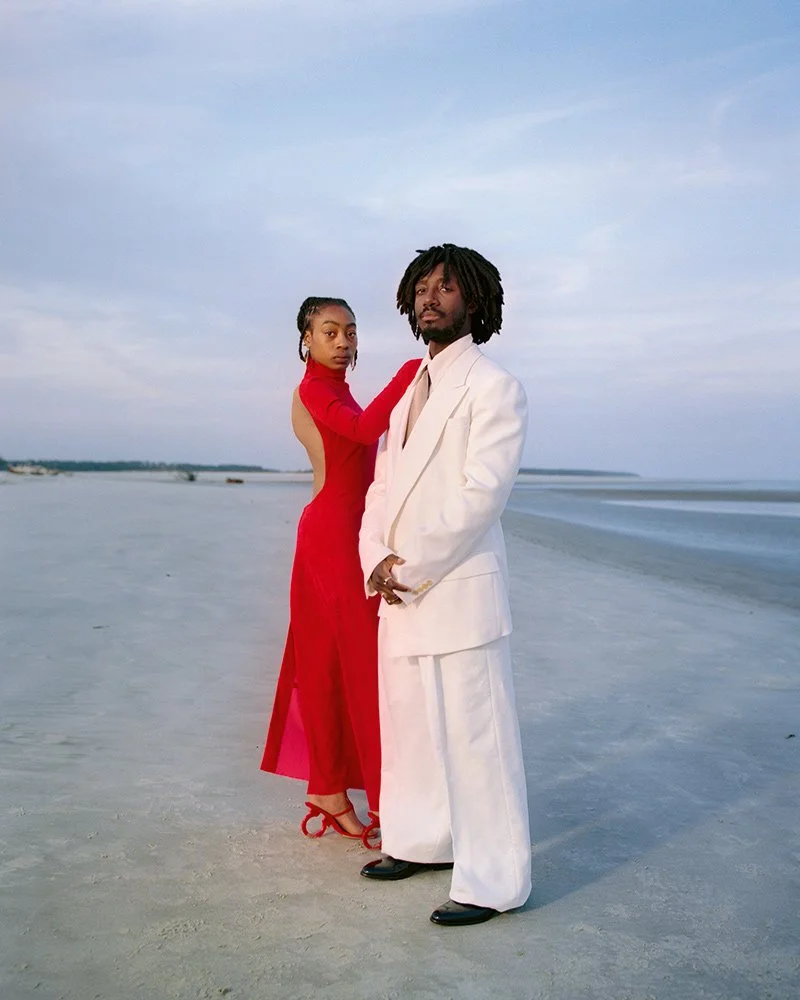
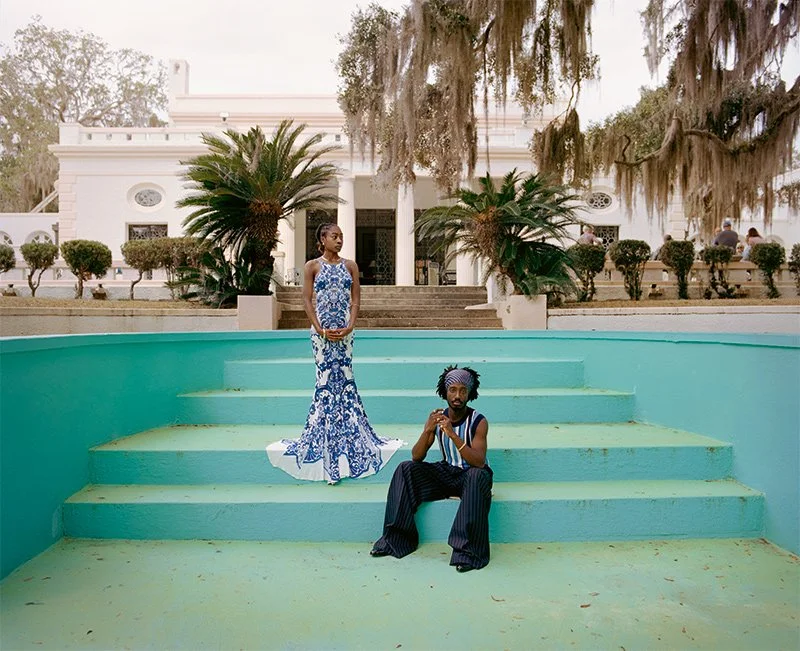
Jennifer Thompson prioritizes care and community health in all her endeavors. Her curiosity for the outdoors was ignited by late summer garden days with her Guyanese grandfather during her childhood.
Since her college days, working alongside classmate Victor-Alan Weeks and The Hog Hammock Community, Jennifer has consistently channeled her passion for community sovereignty, health, and environmental justice, particularly focusing on marginalized communities in the Global South. Currently, Jennifer manages a farmers market in Atlanta, serves as the outreach coordinator for RegaSOUL in Regla, Cuba, and actively educates the community on the significance of the Black Gullah-Geechee coastal community diaspora.
Victor-Alan Weeks is a Word Farmer, agricultural enthusiast, and multimedia artist from southwest Atlanta, Georgia. His profound connection to the natural world, cultivated through exploring the woods and creeks of the SWATS, has inspired a diverse range of impactful projects. These include the Benjamin E. Mays Urban Agriculture and Horticulture Society, the Hogg Hummock Community Garden (in partnership with the Gullah-Geechee organization’s ‘Save Our Legacy Ourself’ on Sapelo Island, Georgia), and the cannabis company 404/20. He has also collaborated with the Greene Clothe Collective, founded by Jennifer Thompson. Victor-Alan’s mission is to both practice and encourage the optimization of Earth’s resources in ways that minimize harm, mimic natural processes, and maximize innovation. He advocates for a global society built on demonstrating respect, compassion, justice, and the love of Christ towards our planet, its stewards, and all its inhabitants.
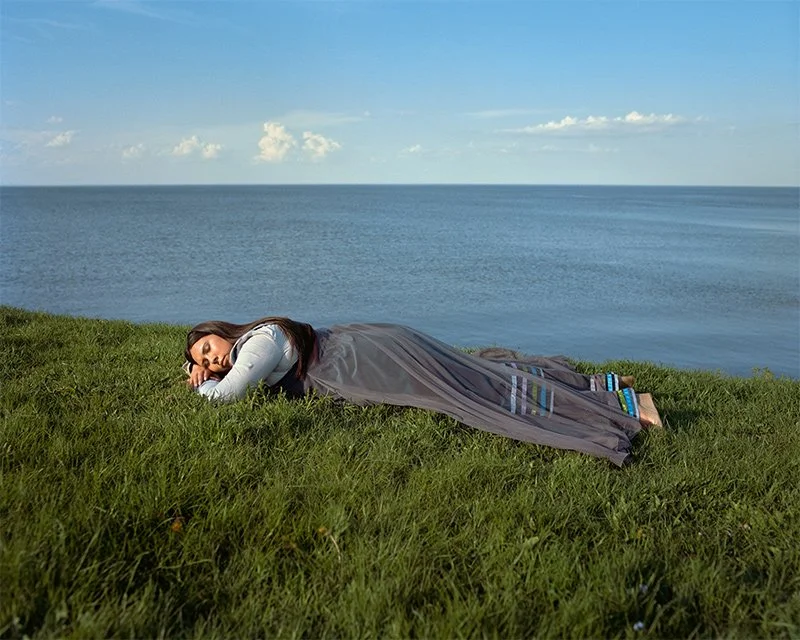
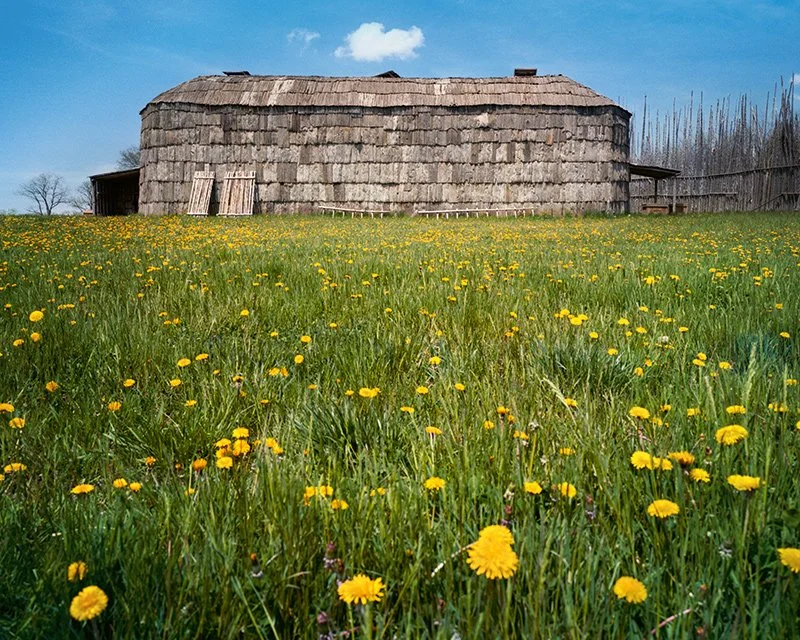
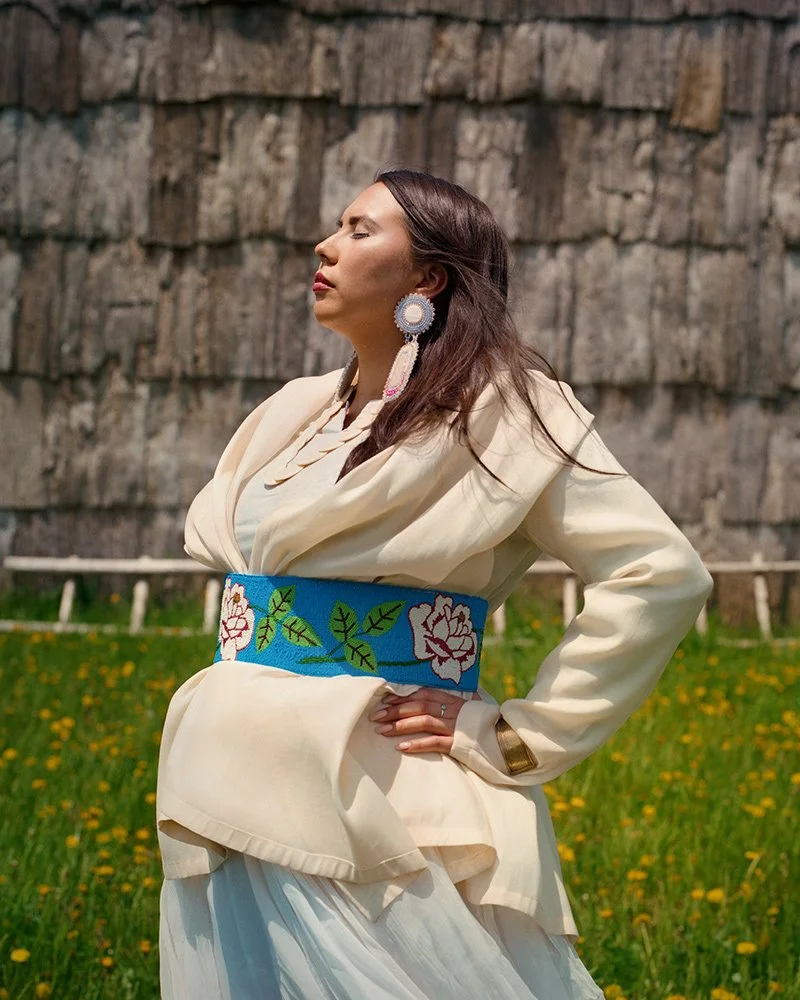
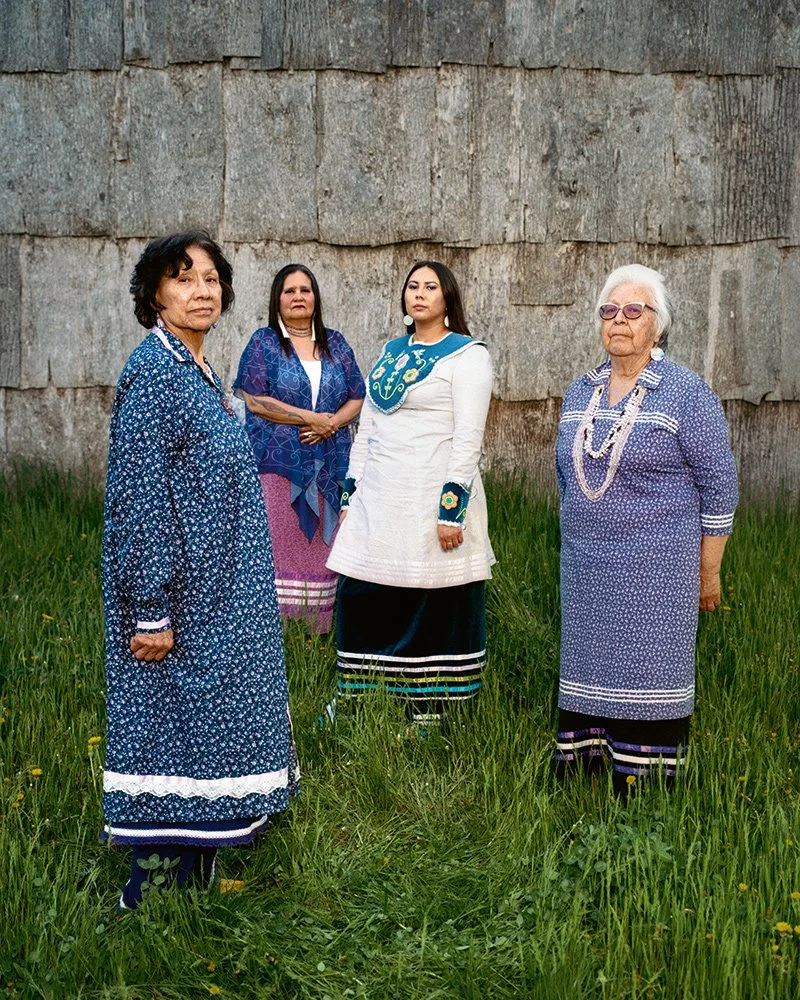
Makaśa Looking Horse
Haudenosaunee, Six Nations
Makaśa has been a prominent voice on Indigenous water issues, participating in the Women and Water panel for Mni Ki Wakan Indigenous Peoples Decade of Water in August 2019, serving as keynote speaker for the American Indian Science Academy, SUNY Buffalo, New York, and presenting at the National Conservation international conference in June 2023. She was nominated by the United Nations Global Indigenous Youth Caucus to deliver the opening words and blessing at the United Nations Youth Climate Summit in September 2019, and presented at the United Nations
Side-table at the Indigenous Peoples Permanent Forum in May 2019 and 2022, and at the UN Water Summit in May 2023.
In addition to her advocacy, Makaśa has created short films published on the Oheganos.com website and co-authored several scholarly articles. She is currently producing a film on Indigenous youth and ecological grief. Her work advocating for Indigenous water rights and source water protection has been featured in various media outlets, including Vogue, Where the Leaves Fall, Chatelaine, Vice News, and The Globe and Mail. Looking Horse is a sought-after speaker across North America and internationally. This coming October, she will be hosting the UN Special Rapporteur’s Canadian visit on water and sanitation. Furthermore, she serves as the Indigenous Restoration Officer for McMaster’s Land Restoration Committee, where she actively works to advance Indigenous land back initiatives through environmental networks.
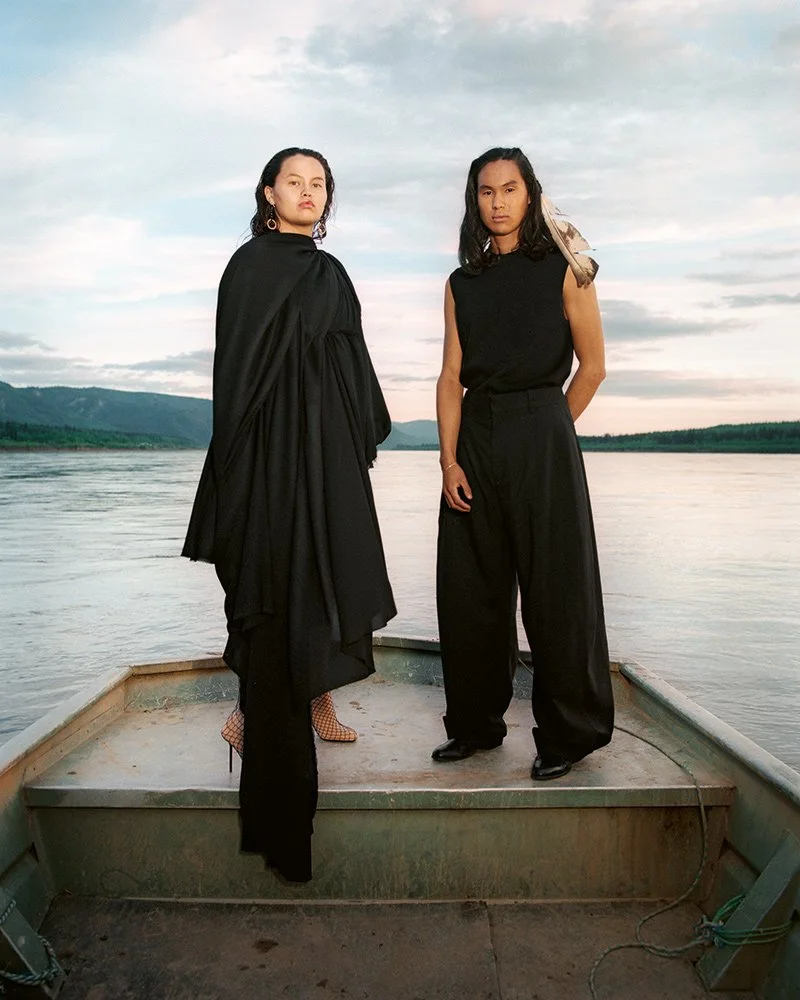
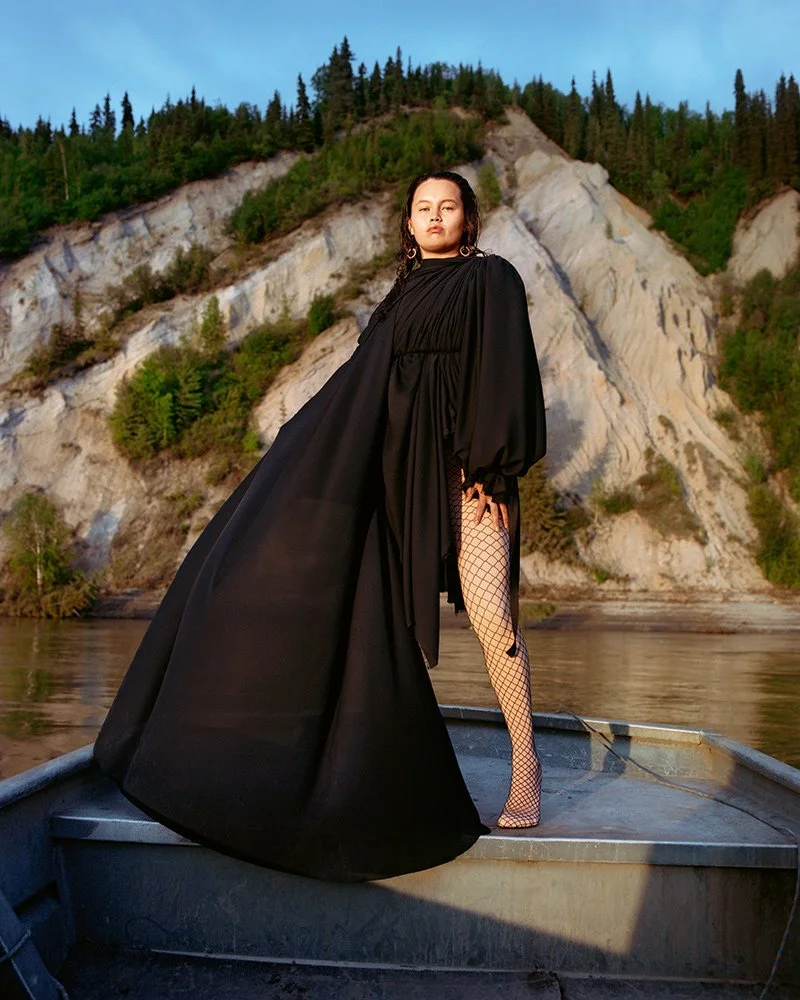
Brittany Woods-Orrison & Rodney Evans
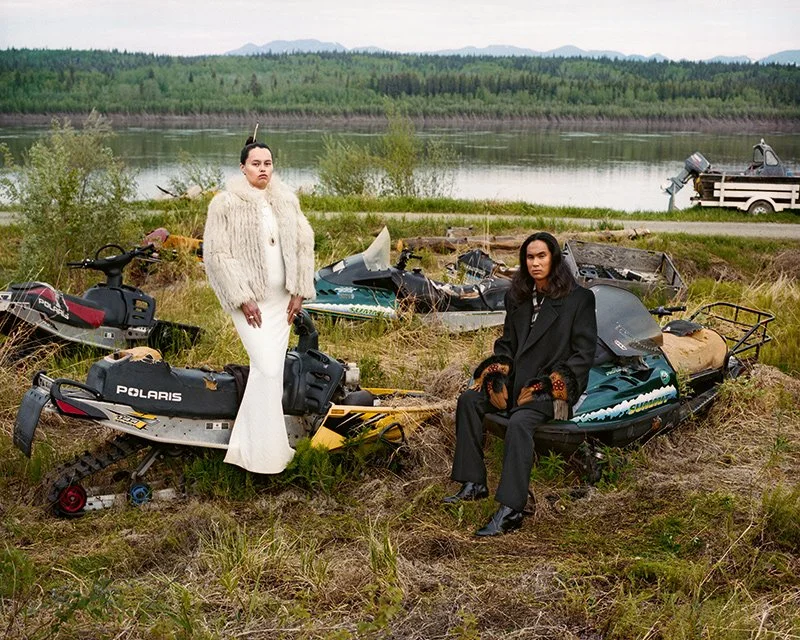
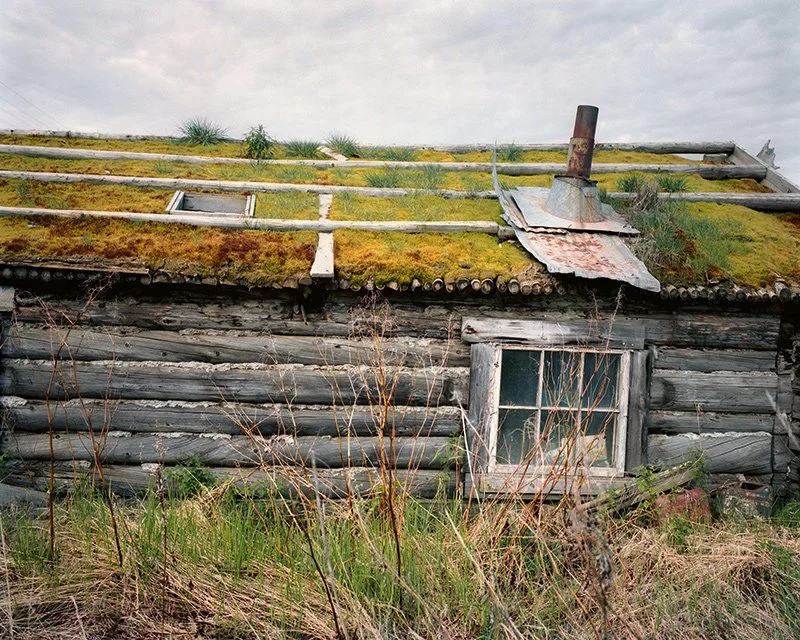
Dleł Taaneets, AK
Brittany is dedicated to uplifting her community and realizing her visions through various endeavors. Her work spans digital equity projects at local and international levels, Alaska Native translation services, and filmmaking. Her life’s ambition is to emulate her ancestors daily by engaging in traditional Native games, brain tanning hides, harvesting plants, hunting, fishing, crafting, practicing Denaakk’e, and actively learning about her culture. Despite numerous challenges, Brittany maintains a hopeful outlook, inspired by her ancestors’ accomplishments and the potential of future generations. She firmly believes that Indigenous ways of being offer a path to a livable future.
Rodney Evans is an Alaska based filmmaker/photographer, Indigenous activist, and a land and water protector. Originally from Dleł Taaneets (Rampart, Alaska), a traditional Yukon River village, Evans is of Koyukon Dené, Inupiaq, and Gwich’in descent.
Beyond his film and photography, Rodney is dedicated to acquiring cultural and traditional knowledge from his heritage and lands. He is actively involved in revitalizing and learning the endangered Denaakk’e (Koyukon Dené) language. In his free time, Rodney is an avid fisherman, athlete (basketball, running, and traditional native games), naturalist, model, writer, and storyteller.
Alessandra Chavira
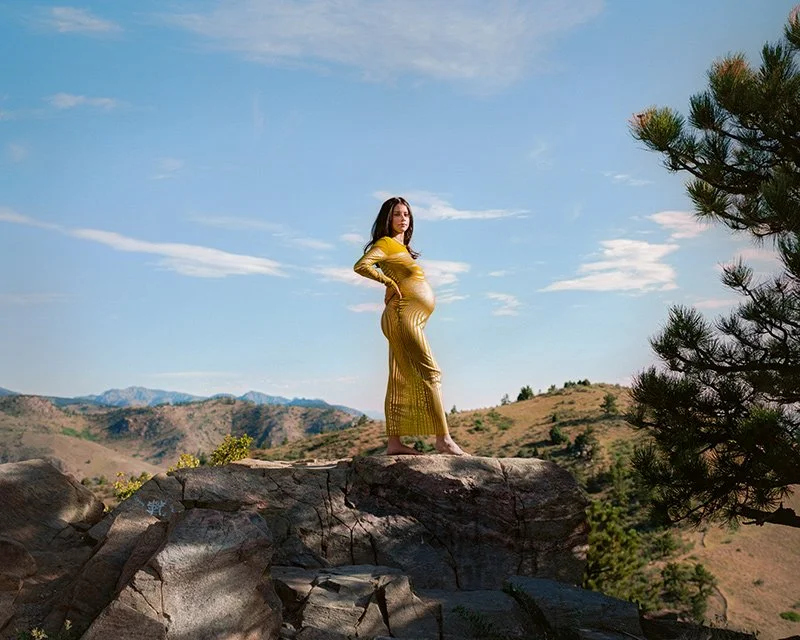
Commerce City, CO
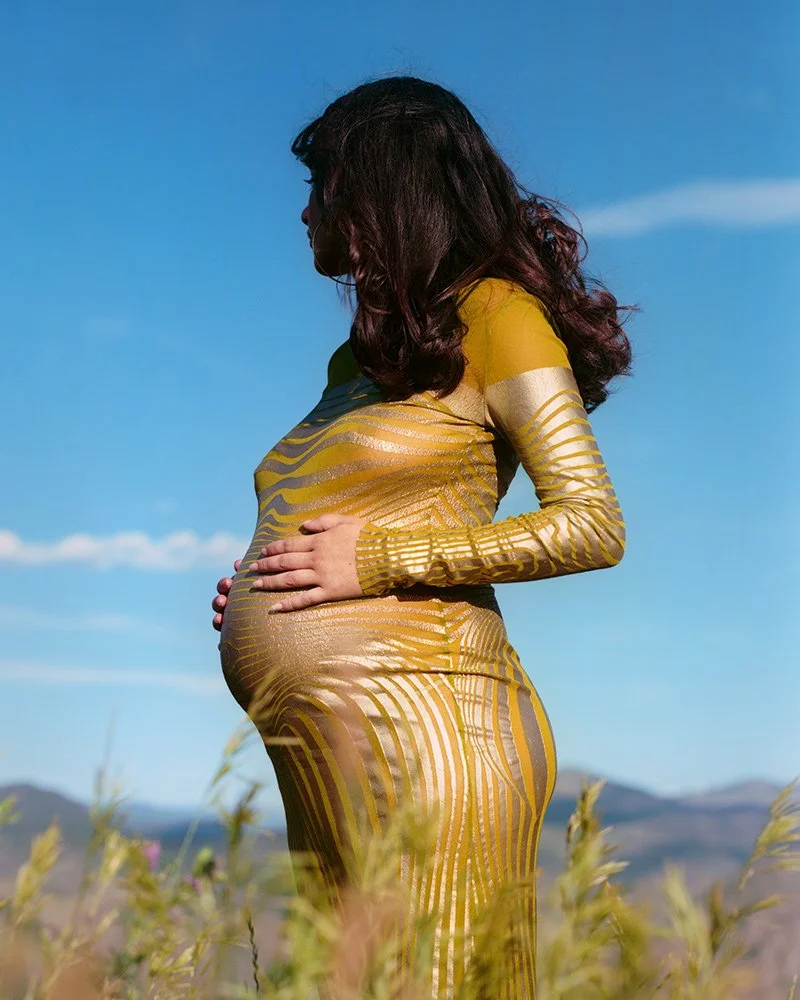
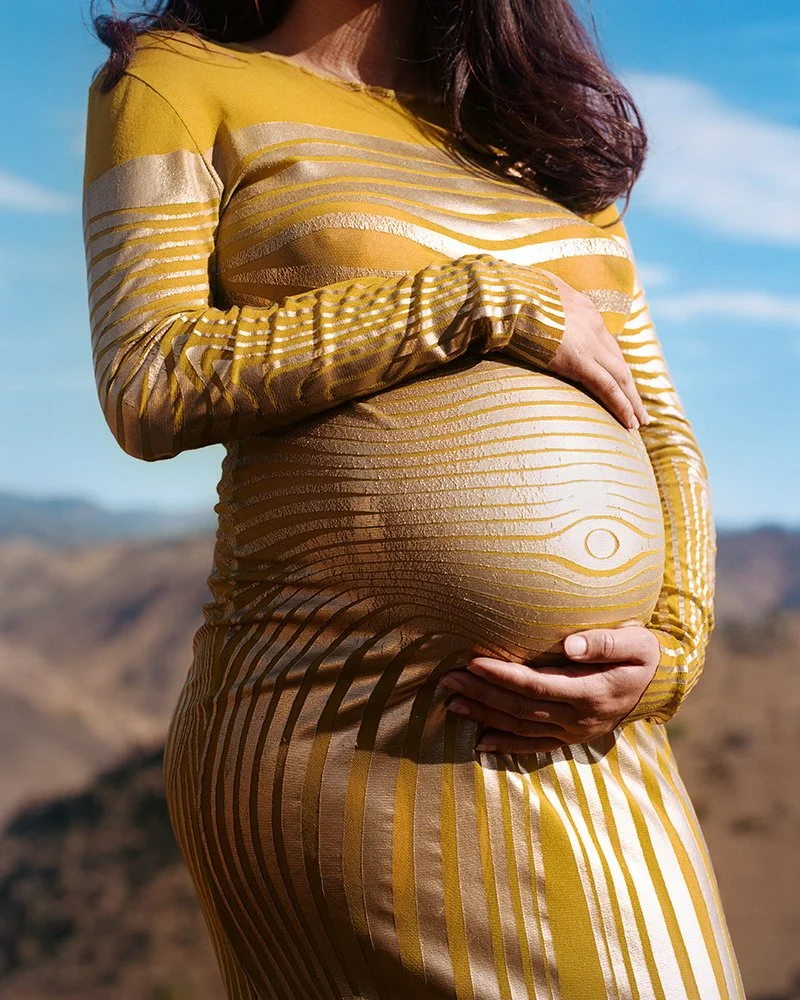
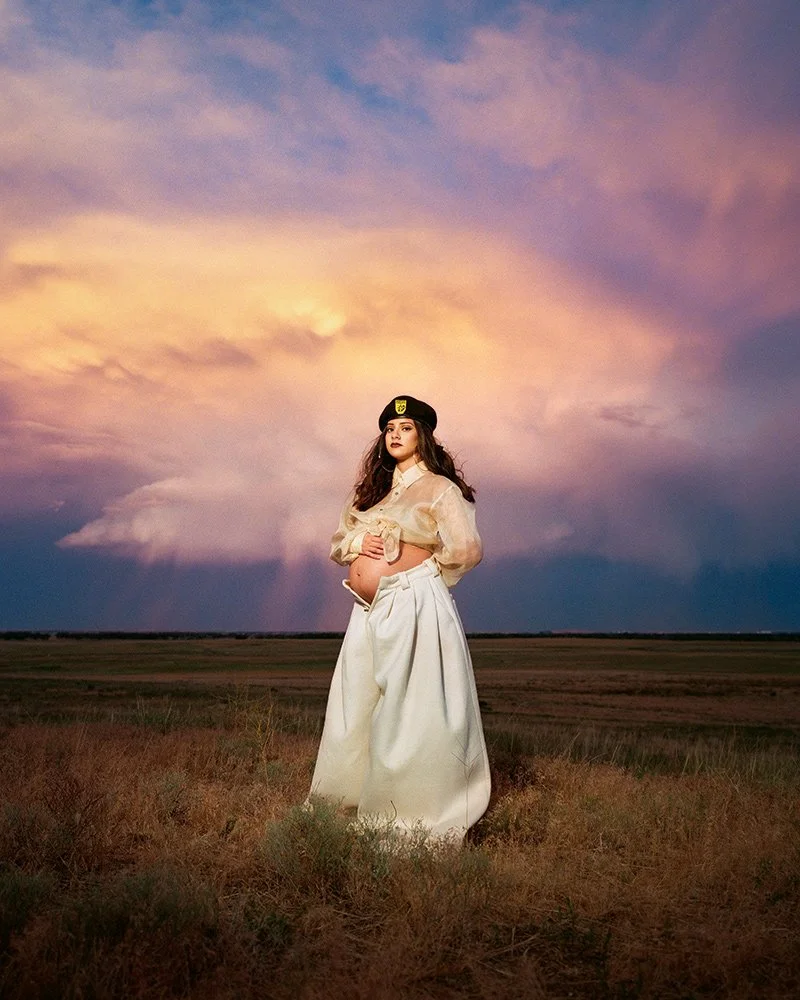
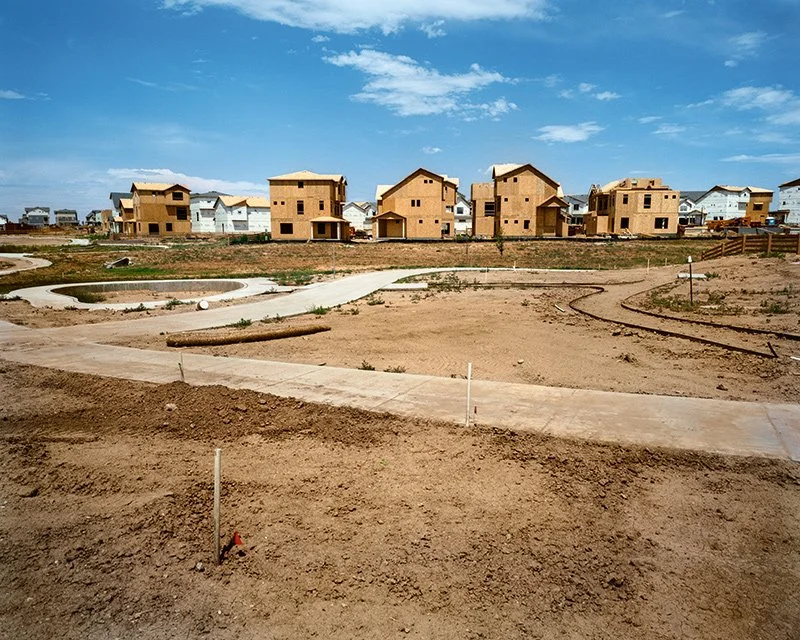
Alessandra Chavira, a 23-year-old Chicana, mother, and abolitionist, was born and raised in Denver, Colorado, the traditional lands of the Cheyanne, Arapahoe, Shoshone, Ute, and 47 other indigenous nations. She proudly acknowledges her connection to Ciudad Juarez and the lands that have profoundly influenced her advocacy.
Alessandra’s work is dedicated to creating alternative systems for communities. She co-manages an acre of land that helps people reconnect with the tools to harvest their own food and medicine. Additionally, she supports Dystopian Times, a community-led publication, and cultivates spaces for individuals to learn eco-socialist and revolutionary theory. She also provides a nurturing environment for Chicanx teenagers impacted by the juvenile justice system, enabling them to identify and share their experiences with the systems that have failed them. In these spaces, she teaches traditional healing modalities to address their traumas.
Alessandra’s efforts are deeply rooted in the belief that another world is possible.
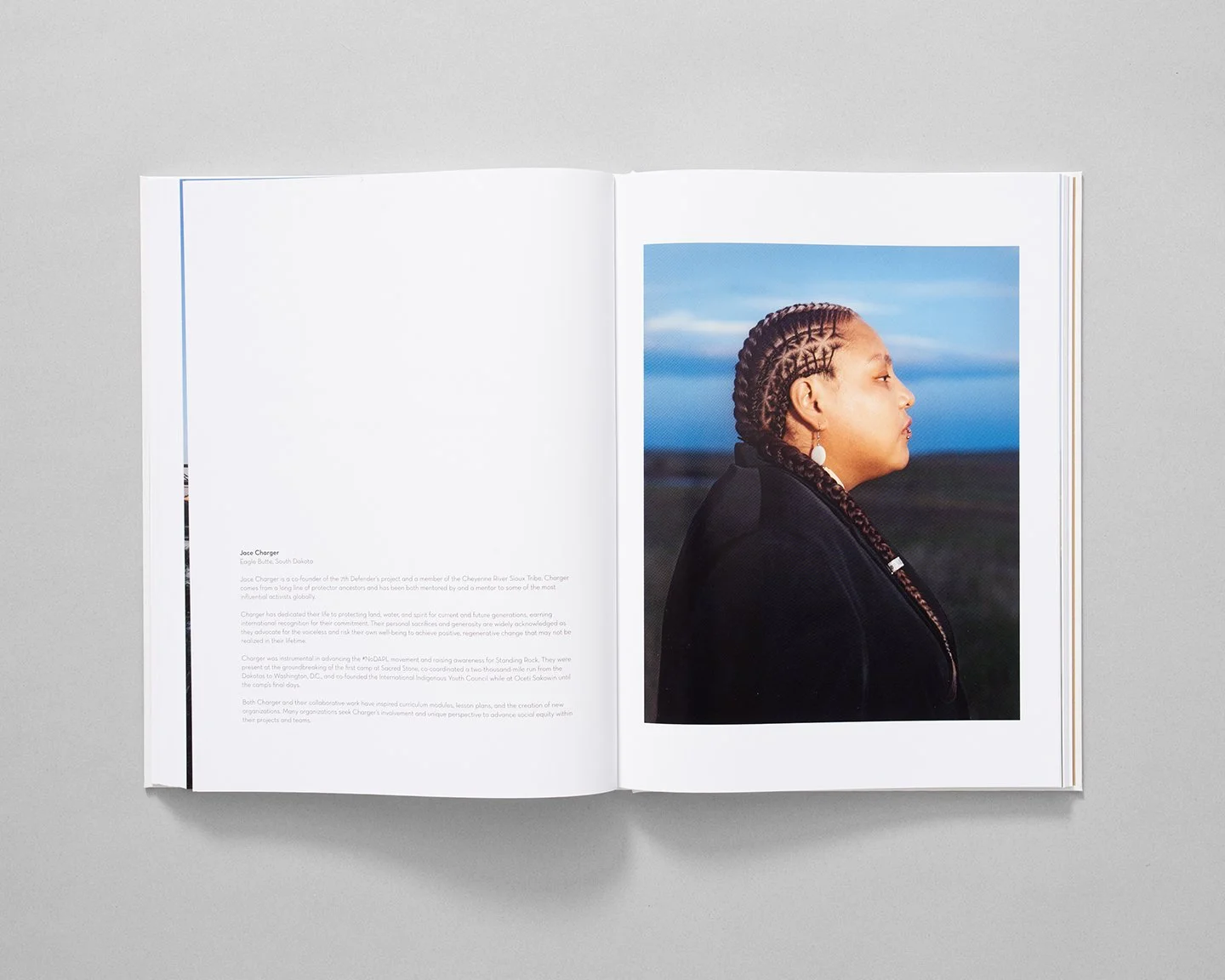
Jace Charger
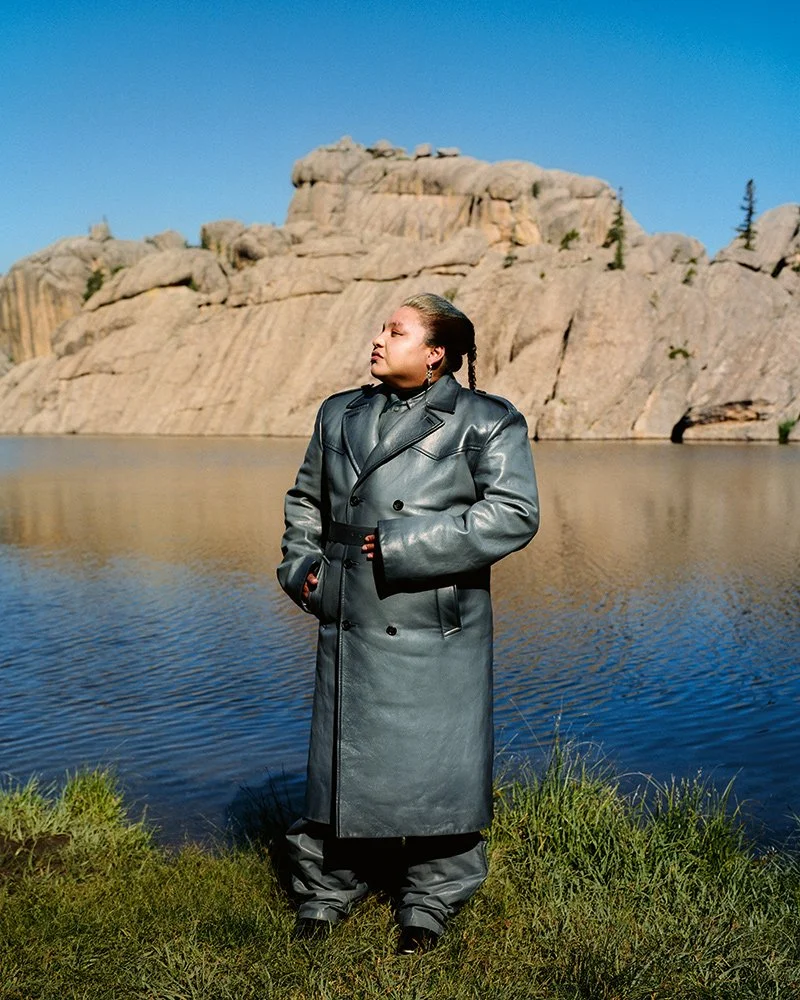
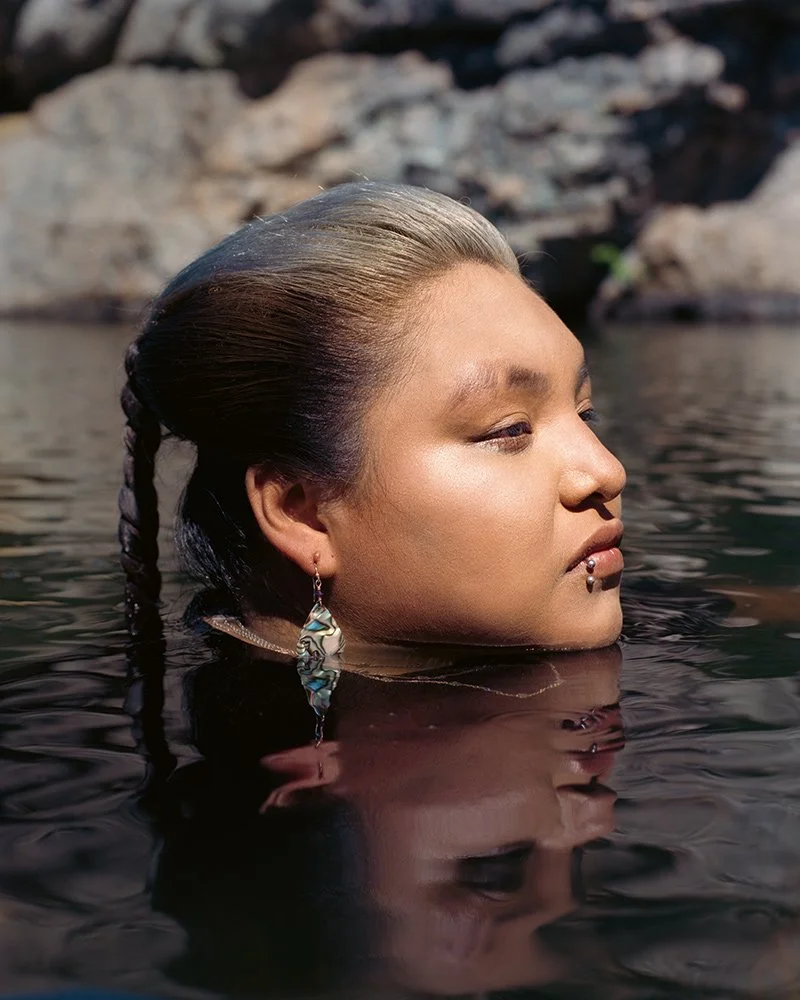
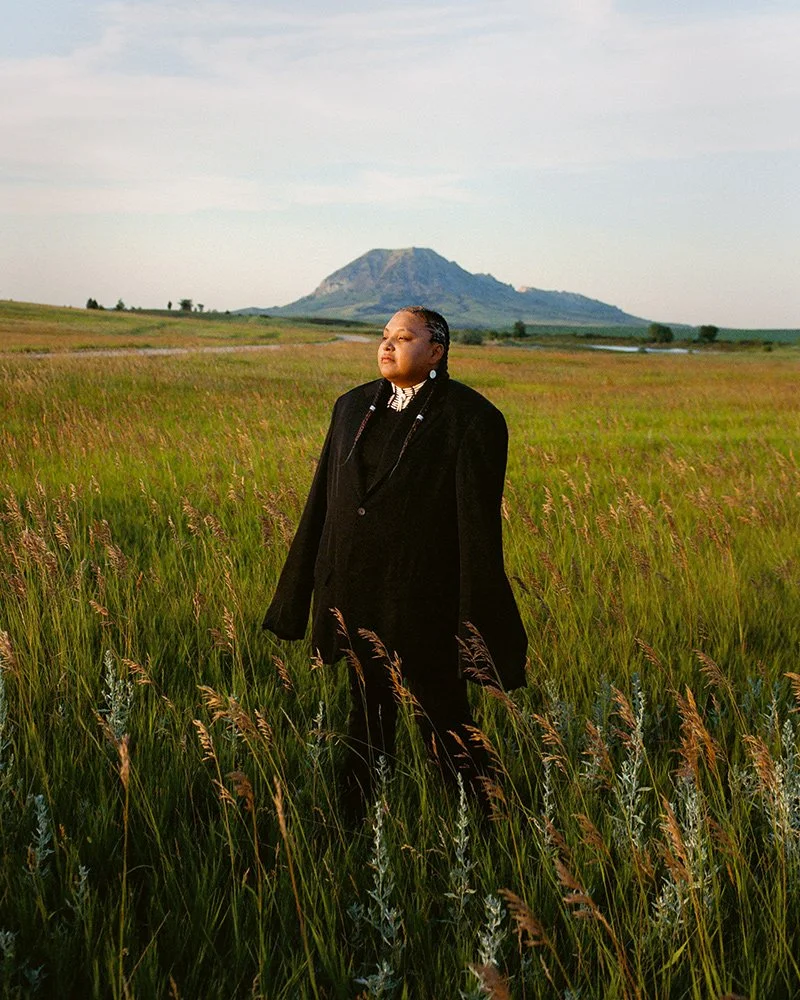
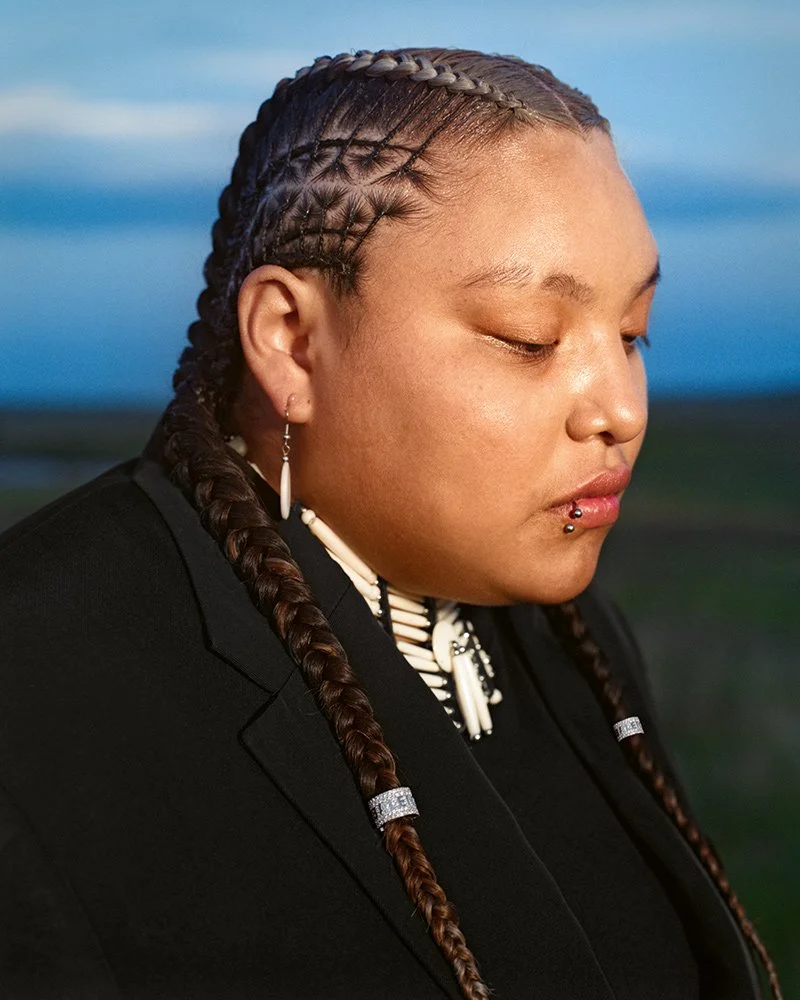
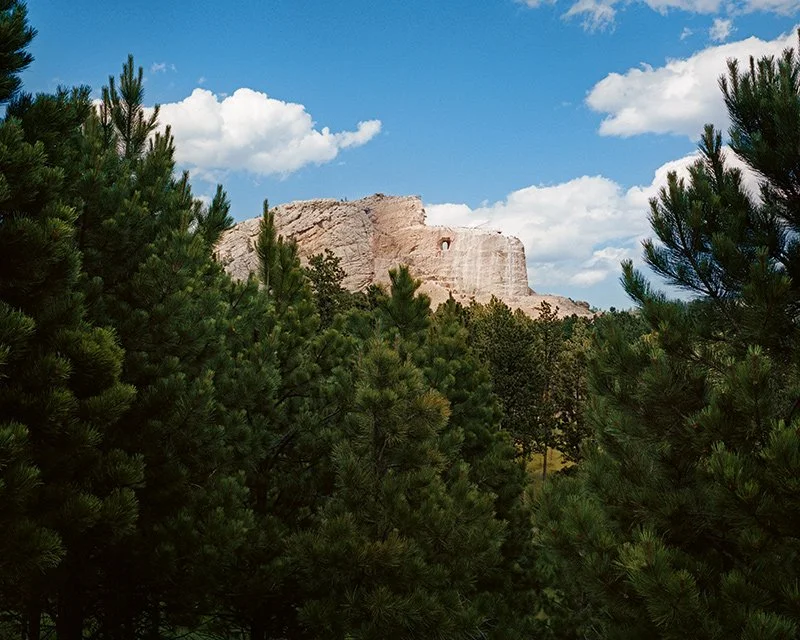
Black Hills, SD
Jace Charger is a co-founder of the 7th Defender’s project and a member of the Cheyenne River Sioux Tribe. Charger comes from a long line of protector ancestors and has been both mentored by and a mentor to some of the most influential activists globally. Charger has dedicated their life to protecting land, water, and spirit for current and future generations, earning international recognition for their commitment. Their personal sacrifices and generosity are widely acknowledged as they advocate for the voiceless and risk their own well-being to achieve positive, regenerative change that may not be realized in their lifetime.
Charger was instrumental in advancing the #NoDAPL movement and raising awareness for Standing Rock. They were present at the groundbreaking of the first camp at Sacred Stone, co-coordinated a two-thousand-mile run from the Dakotas to Washington, D.C., and co-founded the International Indigenous Youth Council while at Oceti Sakowin until the camp’s final days.
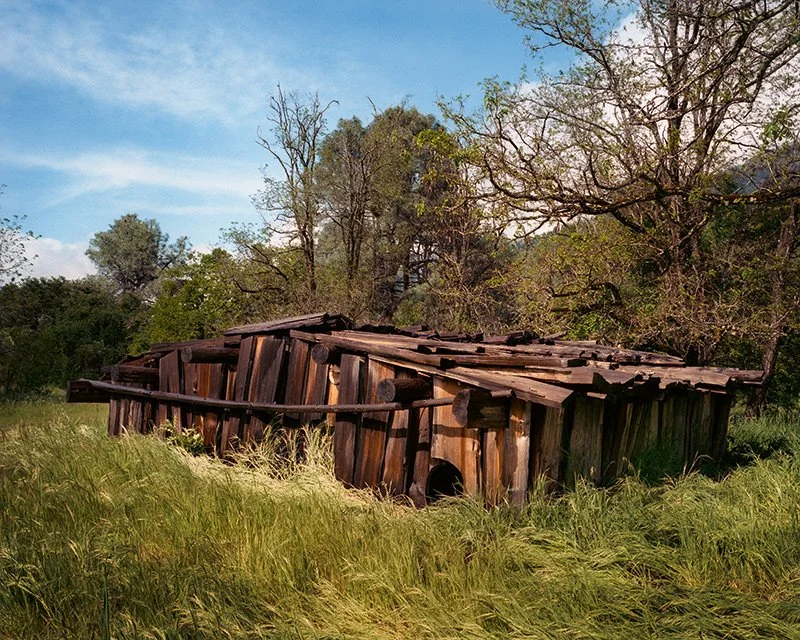
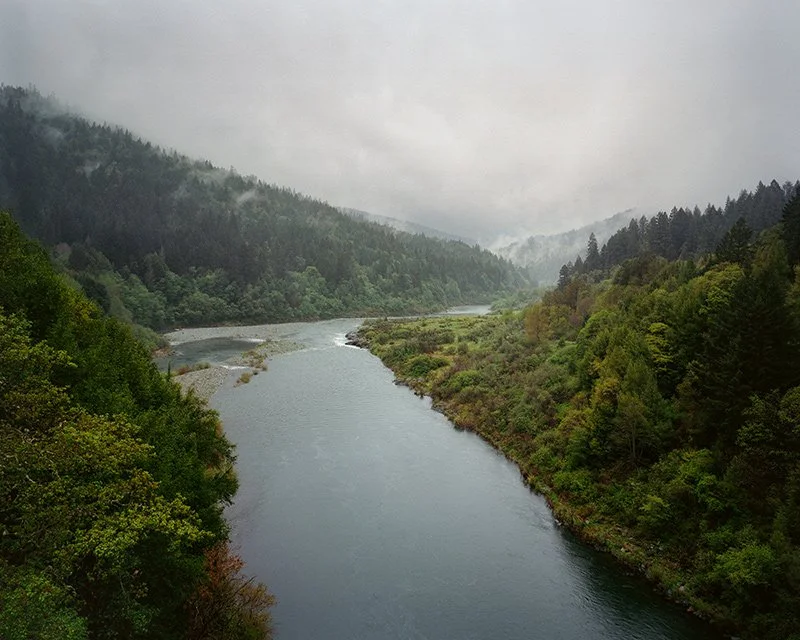
Danielle Rey Frank
Hoopa, CA
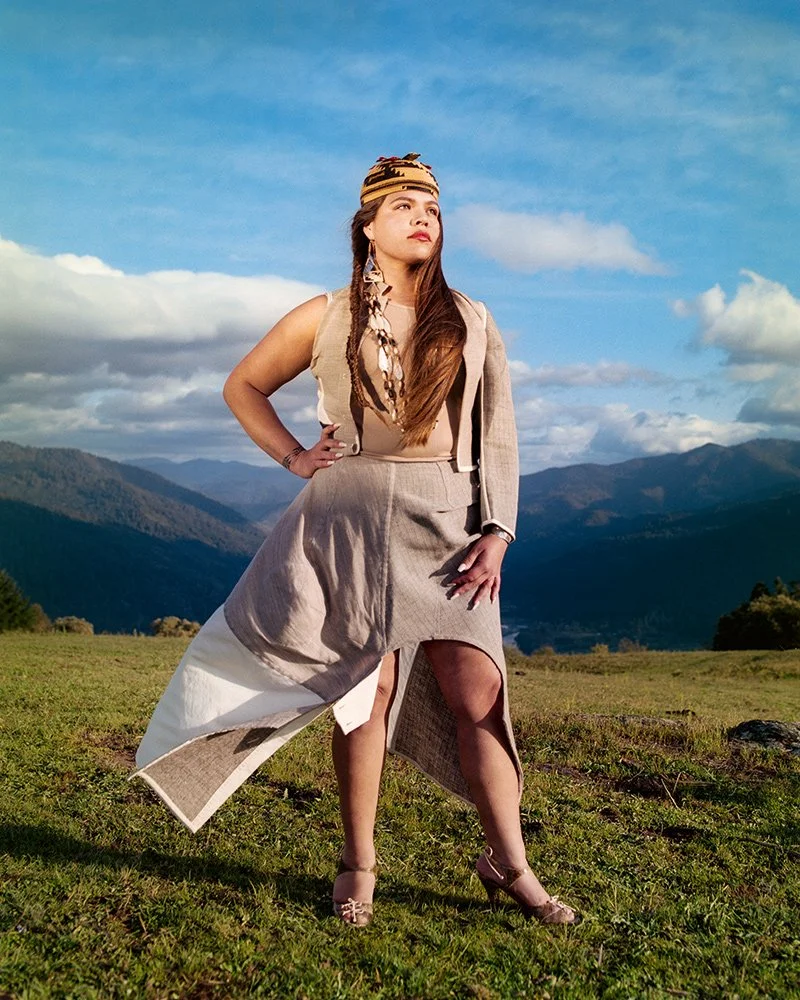
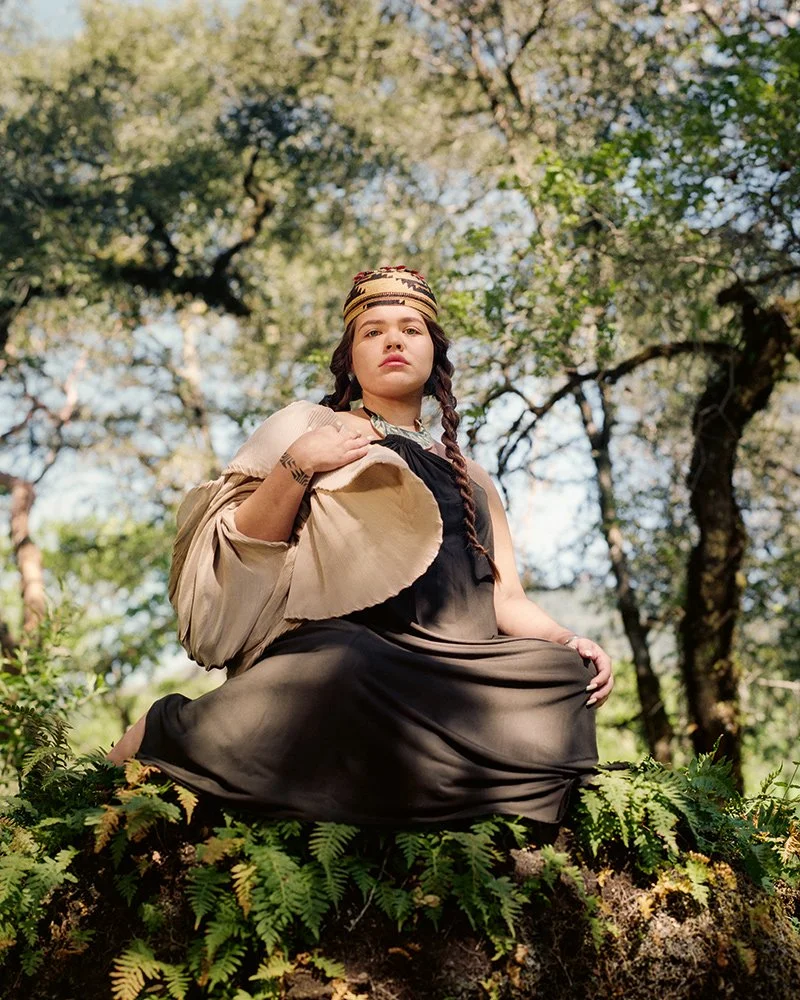
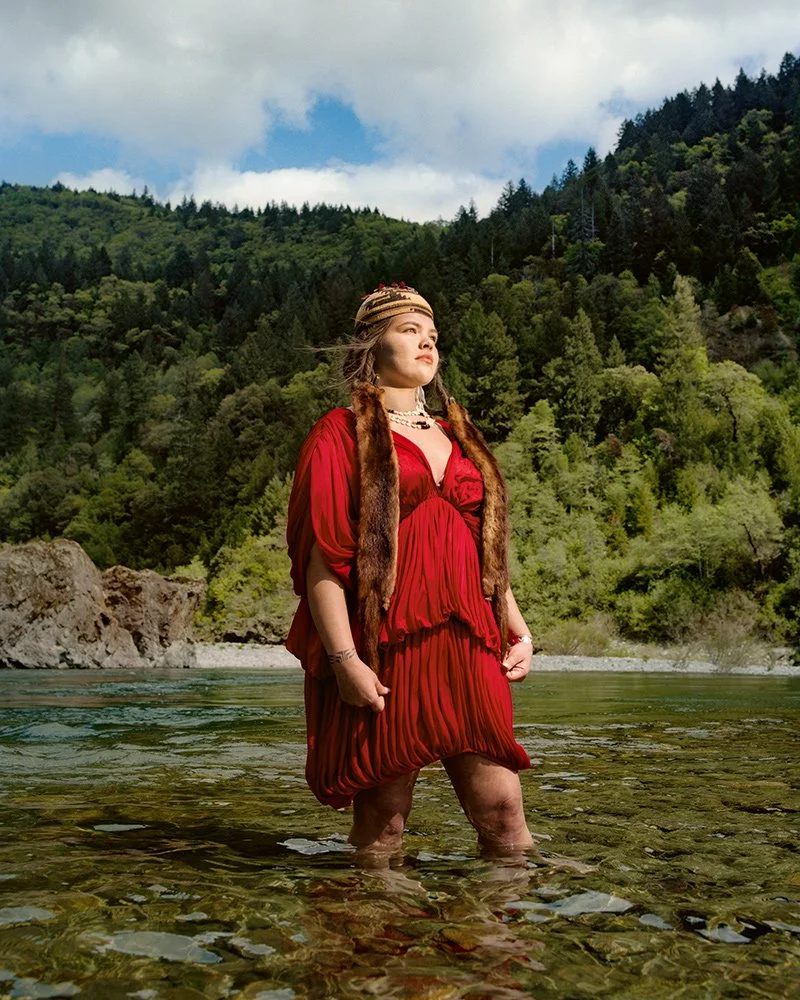
Danielle Rey Frank is a Hupa tribal member and Yurok descendant. Frank has been deeply involved in the cultural and political aspects of her community from a very early age. Born during the beginning of a twenty-year resistance to undam the Klamath River led by her tribal communities, Frank grew up learning from strong Indigenous activists who centered culture and Indigenous ways of knowing and living.
Frank is currently working as the Native youth coordinator for the philanthropic serving organization Native Americans in Philanthropy, where she is using her experience with grassroots organizing to help make more funding available for Indigenous communities and supporting other Native youth to learn more about the resources available. She is also a board member and youth mentor for Rios to Rivers. In this role, she works with youth from the Klamath River Basin, helping to inspire and mentor the next generation of Klamath River Basin water stewards. In August 2022, Frank accepted the title of Miss Na:tini-xwe’ from the Hoopa Tribe, serving as a role model for young Indian Women and as a cultural ambassador for the Hoopa Valley Tribe.
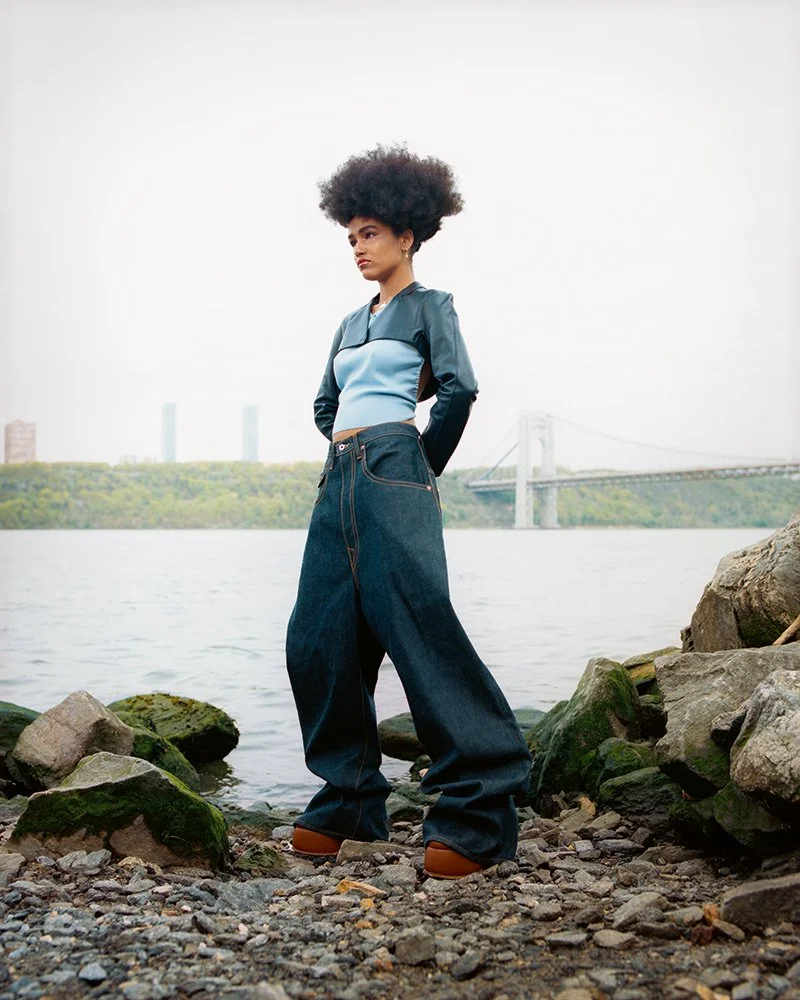
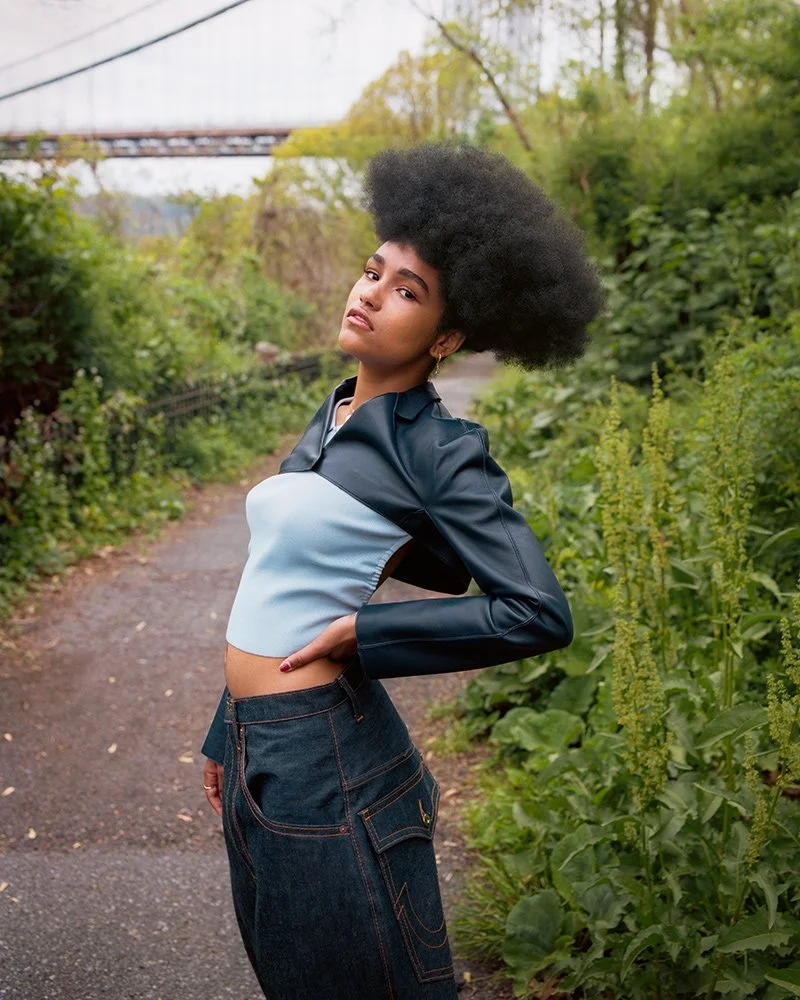
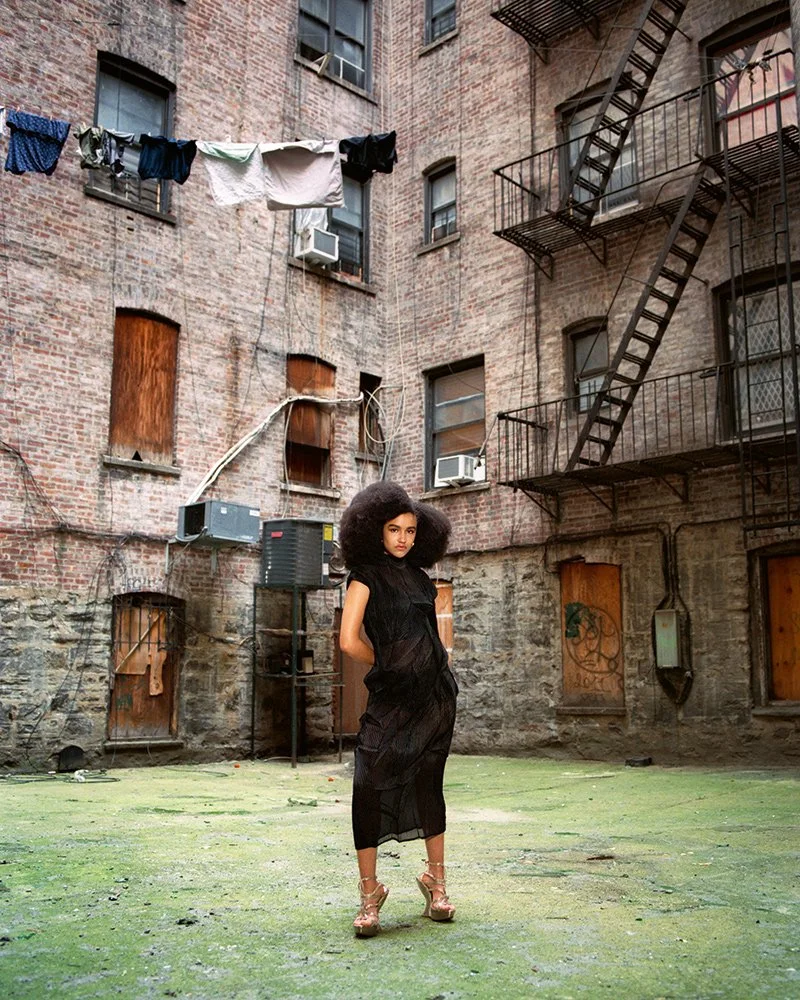

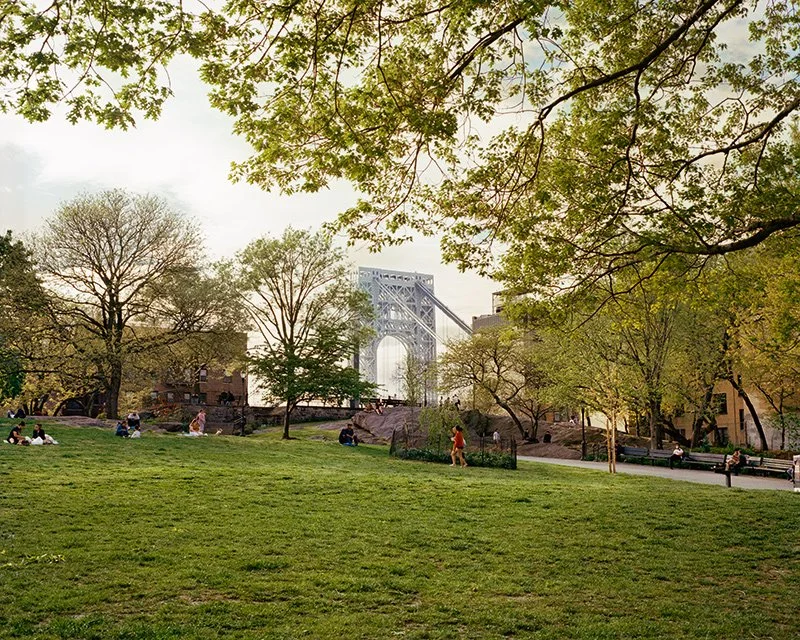
Sumaya Bouhbal
New York, NY
Sumaya Bouhbal is an artist whose work seamlessly blends advocacy and artistic expression. Her background, rooted in both Tunisian and Haitian-American heritage and refined by her experiences growing up in New York, instilled in her a profound understanding of collective survival and the communal power of art.
Currently, Sumaya is a Martin Luther King Jr. Honors Scholar at NYU, pursuing Recorded Music with a minor in Middle Eastern and Islamic Studies. She has collaborated with notable institutions such as the Apollo Theater, New-York Historical Society, Poster House, and the NYC Department of Education, consistently focusing on creating artistic spaces that also serve as hubs for community organizing. Her work has been featured in publications including Rolling Stone, MENA, i-D Magazine, The New York Times, The Guardian, and The Daily Beast.
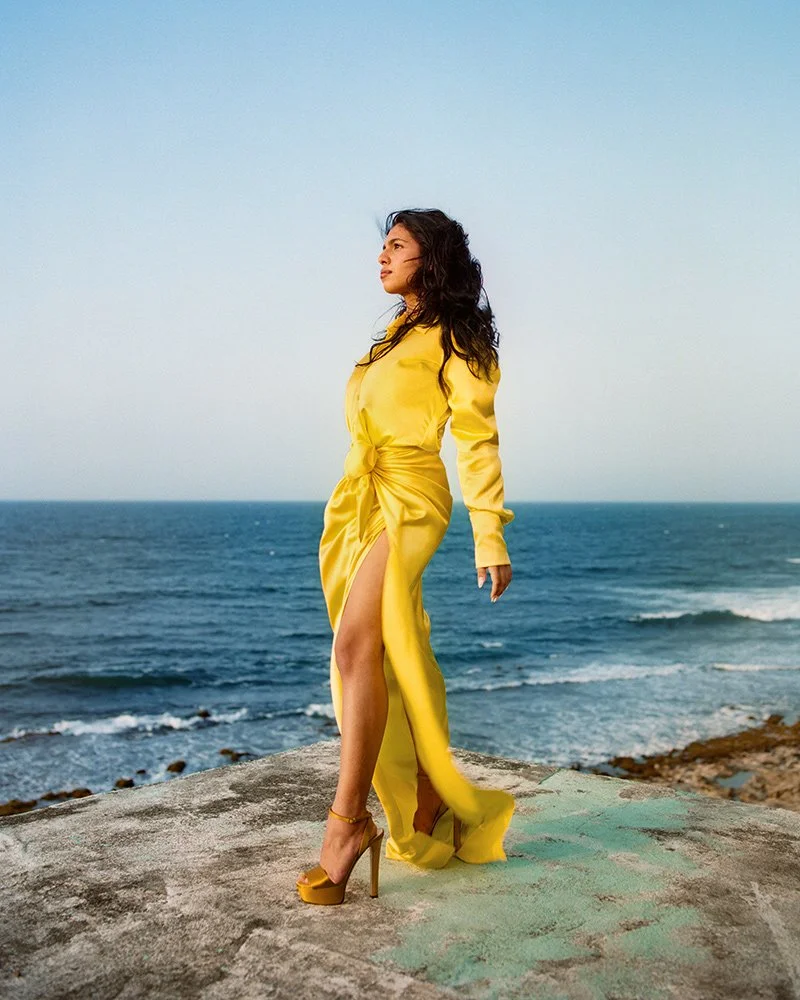

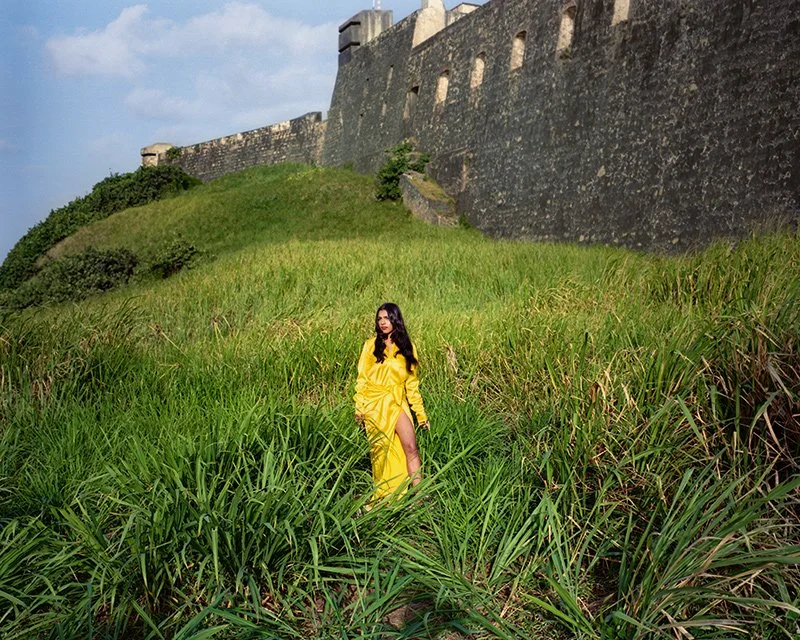
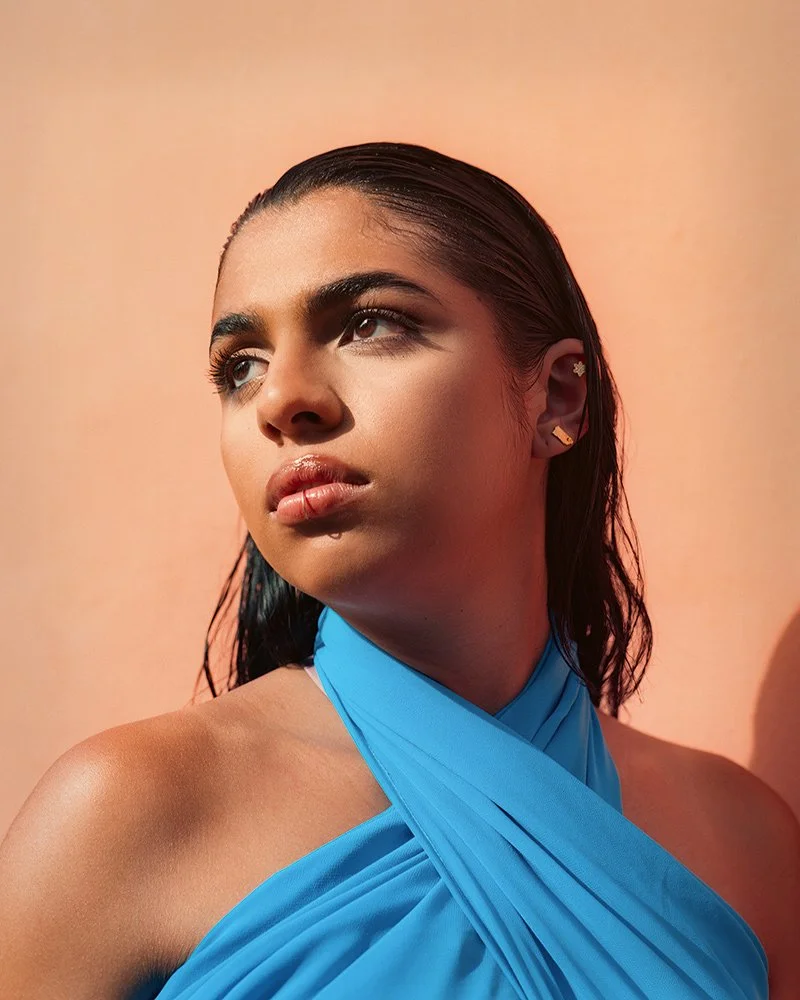
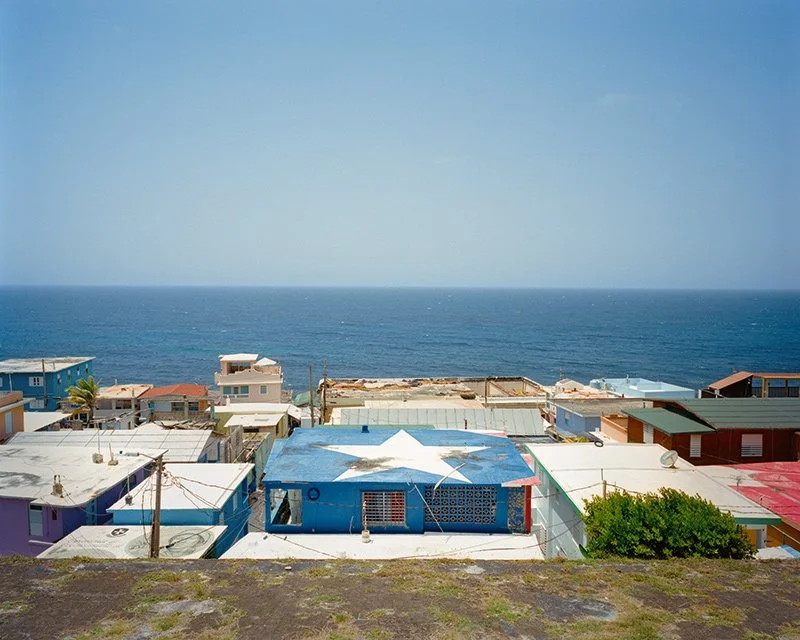
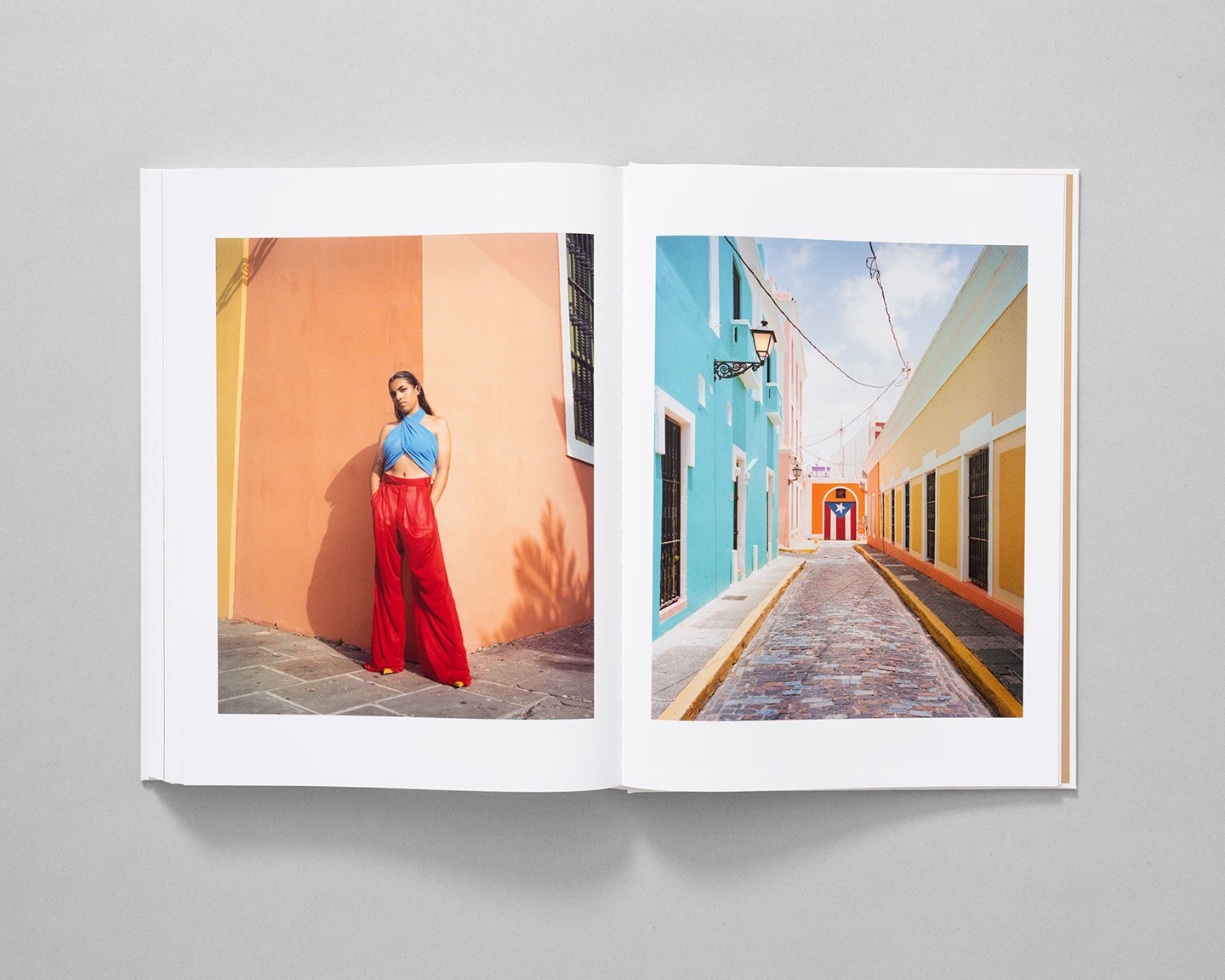
Isabel Valentín
San Juan, PR
Isabel’s identity is profoundly shaped by her upbringing in Puerto Rico, a place where the socio-economic and political decline, coupled with perpetual infrastructure collapse, highlights the severe consequences of colonization and external intervention. The ongoing crises, including countless deaths, mass migration, and a severe housing shortage, underscore the tangible impacts of these systemic issues. The imposition of imperialistic systems of oppression has severely hampered Puerto Rico’s capacity for recovery across all sectors, especially environmentally. With an average of four hurricanes per year, the islands are experiencing the escalating effects of climate change and environmental neglect driven by profit.
In August 2020, she left Puerto Rico to pursue the education she believes is crucial for resistance. She graduated in Spring 2024 with a BSc in Environmental Studies and Pre-Law, complemented by two minors in Indigenous Peoples and the Environment and Food Studies. Isabel is dedicated to applying her knowledge to improve the material circumstances of the Caribbean, consistently integrating the region into her academic and professional endeavors. She is also actively involved in multiple employments, all focused on Caribbean environmental justice work.